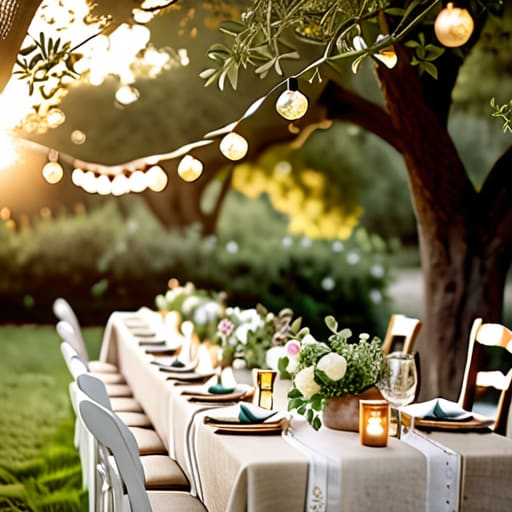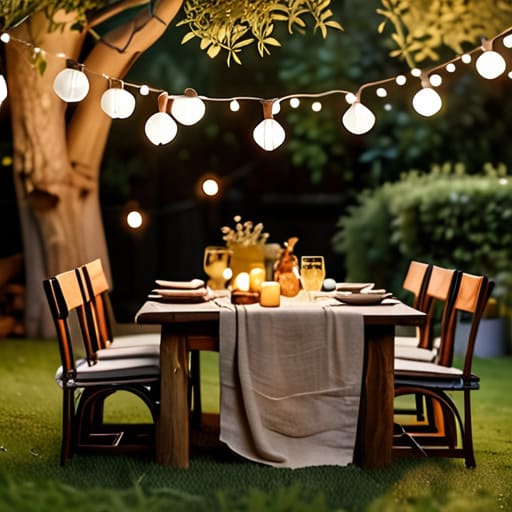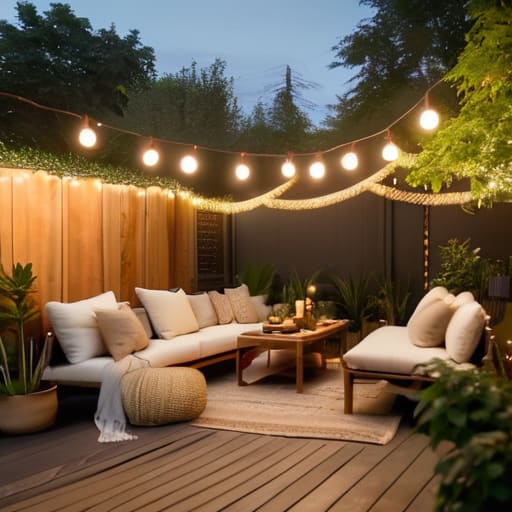
I remember one of my first big catering gigs back in my twenties, standing in the middle of a massive, cold industrial warehouse that had been rented out for a “luxury” launch. The lighting was harsh, the acoustics made it impossible to hear the person standing two feet away, and everyone looked so uncomfortable that I actually felt bad for them. We get so caught up in the prestige of a location that we completely forget that party venue selection should be about how people feel, not how much the rental fee costs. You don’t need a marble ballroom to host a memorable night; honestly, sometimes a fancy space just gets in the way of the actual fun.
I’m not here to give you a checklist of high-end hotels or overpriced event spaces that will drain your savings. Instead, I want to help you find a spot that feels actually cozy and allows for real, unscripted conversation. I’m going to share the practical, boots-on-the-ground advice I’ve learned from years of styling events, focusing on things like flow, lighting, and comfort. Let’s find you a space where your guests can truly relax and just enjoy being together.
Table of Contents
Prioritizing Location Accessibility Over Fancy Decor

I’ve seen it happen so many times: someone spends their entire budget on a stunning, high-end loft with floor-to-ceiling windows, only to realize that half their guest list can’t find parking or has to trek through a confusing industrial complex to get there. While those photos look incredible on Instagram, they don’t mean much if your friends arrive stressed or exhausted. When you’re looking at different options, I always suggest prioritizing location accessibility above all else. If your crowd has to navigate a nightmare commute or a mountain of stairs, they aren’t going to walk through your door with that “ready to party” energy we’re all looking for.
Instead of obsessing over high-end event space amenities like professional AV systems or marble countertops, think about what actually makes the night flow. Is there a central spot that’s easy for everyone to reach? Is there a way for people to arrive without a massive headache? When I’m working through my own venue booking checklist, I always ask if the space feels welcoming and easy to access. A simple, well-located community room or even a cozy backyard is infinitely better than a “fancy” spot that feels like a chore to visit.
Budgeting for Event Spaces Without Breaking the Bank
Look, I’ve seen so many people blow their entire decoration budget on a gorgeous loft, only to realize they have zero dollars left for actual food or drinks. When it comes to budgeting for event spaces, my golden rule is to work backward from your guest list. Before you even look at a single floor plan, figure out exactly how many people you’re inviting. It’s much easier to find a cozy, affordable nook for twenty friends than it is to try and scale down a massive, expensive hall that feels empty and cold.
I also highly recommend creating a quick venue booking checklist to keep those hidden costs from sneaking up on you. Ask about the “extras” early on—things like cleaning fees, service charges, or whether you’re allowed to bring in your own catering. Sometimes, a space that looks slightly more expensive on paper actually ends up being a steal once you realize it already includes essential event space amenities like tables, linens, and glassware. I’d much rather spend my money on a killer cheese board and some vintage mismatched plates than on a venue rental that charges extra for every little thing.
Five Little Things That Make (or Break) a Venue
- Check the lighting before you commit. I’ve seen so many gorgeous spaces ruined by those harsh, flickering fluorescent lights that make everyone look like they’re in a hospital waiting room. If there aren’t dimmers or space for some cozy lamps, you’re going to be fighting an uphill battle with your mood.
- Don’t overlook the “flow” of the room. You don’t need a massive hall, but you do need to make sure people aren’t constantly bumping into each other just to get to the snack table. If the layout feels cramped, guests tend to stay in small, stiff groups instead of mingling.
- Think about the bathroom situation. It sounds unglamorous, I know, but if you’re hosting a crowd and there’s only one tiny, dingy restroom, your guests are going to be spending half the night in line. Make sure the facilities are actually decent and easy to find.
- Scope out the noise levels. If you’re looking at a cafe or a community space, check if the acoustics are going to turn your party into a shouting match. You want a spot where people can actually hear the person sitting across from them without leaning in like they’re sharing a secret.
- Look for a “blank canvas” rather than a “finished masterpiece.” Sometimes a space that’s already heavily decorated is actually harder to work with. I always prefer a simple room with a bit of character where I can bring in my own thrifted glassware and a few candles to make it feel like us.
My Golden Rules for Picking the Right Spot
Choose a space that feels easy to get to; if your guests are fighting traffic or hunting for parking for forty minutes, they’re going to arrive grumpy instead of ready to celebrate.
Focus on the “vibe” over the “view”—a cozy, well-lit living room or a local community hall with character is always better than a massive, empty hall that feels cold and intimidating.
Always walk through your venue with a practical eye, checking for things like enough seating and a spot for the food that won’t leave people standing in a cramped corner all night.
Focus on the Feeling, Not the Floor Plan
At the end of the day, your guests won’t remember the crown molding or the marble foyer; they’ll remember if they felt comfortable enough to kick off their shoes and stay for one more drink. Pick a space that feels like a hug, not a museum.
Saoirse Mullan
Finding Your Perfect Spot
At the end of the day, picking a venue isn’t about checking off a list of expensive amenities or finding a place that looks like a Pinterest board come to life. It’s about making sure your guests can actually get there without a headache and that you aren’t draining your entire savings account before the first guest even arrives. Remember to prioritize a space that feels approachable and fits your budget, rather than getting lost in the pursuit of a “perfect” ballroom that feels too stiff for your group. If you focus on accessibility and smart spending, you’re already halfway to a successful night.
I know it can feel overwhelming when you’re staring at a dozen different rental contracts and price lists, but please, don’t let the logistics steal your joy. The venue is just the container for the magic you’re going to create; it’s the backdrop for the laughs, the late-night kitchen chats, and the stories that will be told for years to come. Whether you’re hosting in your own cozy living room or a quirky local community hall, just focus on creating a space where people feel truly seen and welcomed. You’ve got this, and I promise, your friends are coming for you, not the architecture.
Frequently Asked Questions
What should I actually look for when I'm walking through a potential space to make sure it's not a total headache on the day of?
Honestly, don’t get distracted by the cute wallpaper. When you’re walking through, look at the “unsexy” stuff first: where are the outlets? Is there enough light that people won’t be tripping over things? Check the bathroom situation—if there’s only one tiny stall for twenty people, you’re going to have a line. Most importantly, look at the flow. Can people actually move from the food to the seating without creating a human traffic jam?
How do I figure out if a venue is too small for my guest list without making everyone feel like they're packed in a sardine can?
The best way to do this is to stop thinking about “standing room” and start thinking about “flow.” Grab a piece of painter’s tape and mark out your furniture or buffet tables on your floor at home to get a real sense of the footprint. If you can’t walk a clear path from the drinks to the snacks without bumping into someone’s hip, it’s too tight. Always aim for a little more breathing room than you think you need.
If I'm hosting at home, how can I tell if my space is actually big enough for a real party or if I'm just being optimistic?
Honestly, we’ve all been there—staring at our living room and thinking, “Yeah, twenty people will fit easily!” before the first guest arrives. My rule of thumb? Do the “furniture shuffle” test. If you have to move every single chair into a tight circle just to make room for a snack table, it’s too small. You need “flow space”—room for people to pull away from a conversation without bumping into someone’s drink.