Category: Planning

Tips for successful potluck party organization.

Managing a Successful Potluck Gathering

I’ll never forget my first big attempt at hosting a get-together back when I was still working in city catering. I had this vision of a perfectly curated spread, but instead, I ended up staring at a kitchen counter crowded with six different bowls of lukewarm potato salad and zero actual main courses. It was a total disaster, and honestly, the stress of trying to manage everyone’s contributions felt way more taxing than just enjoying the night. We’ve been told that potluck party organization has to involve these massive, complicated spreadsheets or rigid themes to work, but I think that’s just a recipe for unnecessary anxiety.

I’m not here to give you a lecture on logistics or tell you that you need a professional coordinator to feed your friends. Instead, I want to share the real, messy, and much more enjoyable way to handle things from my own home studio. I’m going to walk you through my personal, low-stress approach to potluck party organization that focuses on actual connection rather than perfection. We’re going to talk about simple ways to coordinate food without the headache, so you can spend less time hovering over the buffet and more time actually catching up with your favorite people.

Table of Contents

Smart Potluck Menu Planning Tips for Cozy Nights

Smart Potluck Menu Planning Tips for Cozy Nights

When it comes to potluck menu planning tips, my biggest piece of advice is to steer clear of the “too many salads” trap. We’ve all been there—you show up to a gathering only to realize there are four bowls of potato salad and absolutely nothing substantial to actually eat. To avoid this, I love using a simple digital doc or a shared note for potluck sign up sheet ideas so everyone can see what’s already claimed. I usually suggest a loose framework: one person handles the main, a few tackle sides, and someone else is the designated dessert hero.

I also think it’s so important to keep things low-maintenance for your guests. Encourage people to bring dishes that are naturally easy to serve, like a big tray of sliders or a hearty grain salad. While you’re at it, don’t forget about managing dietary restrictions at parties by asking your crew about allergies before they even start cooking. A little bit of communication goes such a long way in making sure everyone feels included and, more importantly, actually gets to enjoy the meal!

Creative Potluck Sign Up Sheet Ideas That Work

Creative Potluck Sign Up Sheet Ideas That Work

Now, let’s talk about the actual logistics, because we’ve all been there: you show up to a gathering only to realize there are four bags of tortilla chips and zero actual meals. To avoid that awkward “chip-only” dinner, I love using a digital tool that feels a bit more organized than a chaotic group text. Using a shared Google Doc or a simple app is one of my favorite potluck sign up sheet ideas because it lets everyone see what’s already on the list in real-time. You can create specific categories like “Main Dishes,” “Salads & Sides,” and “Sweet Treats” so people can claim what they’re actually good at making.

If you want to keep things even more low-key and tactile, try a themed approach. Instead of a blank list, suggest a “Taco Night” or “Breakfast for Dinner” theme. This makes organizing communal meals feel less like a chore and more like a fun collaborative project. Just make sure to include a small note or a column for anyone to mention allergies; managing dietary restrictions at parties shouldn’t feel like a formal interrogation, but a quick “Hey, I’m gluten-free!” helps everyone feel safe and included.

5 Little Things That Make a Big Difference on the Night

  • Prep your “landing zone” before the first guest knocks. Clear off a dedicated spot near the door or kitchen island for people to set down their dishes, and make sure you have enough coasters and serving spoons ready to go so you aren’t scrambling mid-party.
  • Don’t forget the “forgotten” essentials. I always keep a little stash of extra napkins, cheap unscented candles, and a few extra serving utensils tucked away. It’s those tiny details that keep the vibe flowing without you having to run to the pantry every five minutes.
  • Label everything (even if it’s just a sticky note). Between dietary restrictions and just wanting to know what’s delicious, a little handwritten note next to each dish—mentioning if it’s veggie, gluten-free, or “extra spicy”—makes everyone feel looked after and safe.
  • Set the mood with lighting, not just decor. Once the food is laid out, dim the overhead lights and lean into some warm lamps or fairy lights. It instantly shifts the energy from “organized meal” to “cozy gathering,” and it makes even a simple spread look magical.
  • Manage the aftermath early. I’m a big fan of having a designated “dish station” with a stack of clean Tupperware handy. If there are leftovers, you can quickly portion them out for guests to take home, which saves you from a mountain of food in your fridge the next day.

My Golden Rules for a Stress-Free Potluck

Keep the menu cohesive so you don’t end up with five bags of chips and no actual meal; aim for a balance of mains, sides, and something sweet.

Don’t be afraid to be specific on your sign-up sheet—telling a friend “bring a hearty salad” is much more helpful than just asking them to “bring a dish.”

Prioritize the vibe over the perfection; as long as there’s enough food to go around and the lighting is dim, your guests will have a blast.

The Heart of the Table

At the end of the day, a potluck shouldn’t feel like a logistical puzzle you’re trying to solve; it should feel like a shared meal where the only thing people are truly worried about is whether there’s enough good conversation to go around.

Saoirse Mullan

Bringing It All Together

Bringing It All Together for potluck success.

At the end of the day, organizing a potluck is really just about setting the stage for a good time. Once you’ve tackled the menu planning to avoid having five bowls of potato salad, and you’ve used a clever sign-up sheet to keep things balanced, the heavy lifting is basically done. Remember, the goal isn’t to have a perfectly curated, Instagram-ready spread; it’s to ensure there is enough variety so everyone leaves with a full stomach and a happy heart. If you keep your planning simple and your coordination loose, you’ll find that the logistics actually start to feel like part of the fun rather than a chore.

I know it can feel a little daunting to open your home and invite everyone to contribute, but please don’t let the fear of a messy kitchen or a mismatched set of serving spoons stop you. The most beautiful evenings I’ve ever hosted weren’t the ones with the expensive linens, but the ones where people felt comfortable enough to pass a plate of homemade brownies and truly connect. So, dim the lights, grab a glass of something tasty, and let the conversation flow. You’ve done the prep, now it’s time to actually enjoy the magic of being together.

Frequently Asked Questions

How do I handle food allergies or dietary restrictions without making things feel awkward or complicated for my guests?

Honestly, the best way to handle this is to just be upfront about it in your invite. I always add a little note like, “I want everyone to feel full and happy, so please let me know if you have any allergies or dietary needs!” Once you know, just use little handwritten cards to label dishes—it keeps things simple and saves guests from having to ask a dozen questions while they’re trying to mingle.

What’s the best way to keep all the different dishes warm once everyone actually arrives?

Honestly, this is where things can get a little chaotic! My go-to trick is to clear a dedicated “warming zone” on your counter near outlets. I love using slow cookers or even just heavy-duty chafing dishes, but if you’re on a budget, even a few inexpensive warming trays work wonders. Just make sure you have enough space so people aren’t bumping into hot dishes while trying to grab a plate!

Should I provide all the serving utensils myself, or is it okay to ask people to bring their own for what they're making?

Honestly, I’d suggest providing the main serving pieces yourself if you can. It keeps the table looking cohesive and, more importantly, prevents that frantic scavenger hunt for a specific spoon when the pasta hits the table. However, if you’re hosting a massive group, it’s totally okay to add a little note like, “If your dish needs a special serving spoon, please bring it along!” It saves you a headache and keeps things moving.

Setting long term career development goals.

Stop Obsessing Over the Fancy Titles and Start Setting Long Term Career Development Goals That Actually Feel Like Home.

I remember sitting on a milk crate in a cramped, overheated catering kitchen years ago, covered in flour and smelling like industrial dish soap, feeling completely lost. I was working my tail off, but I had absolutely no idea where I was headed, and the thought of “setting long term career development goals” felt like just another heavy, corporate chore someone had shoved onto my to-do list. Everyone makes it sound like you need a rigid, five-year master plan and a pristine leather-bound planner to be successful, but honestly? That kind of stiff, polished perfection is exactly what burns people out before they even get started.

I’m not here to give you a lecture on corporate ladder-climbing or some intimidating roadmap that feels impossible to follow. Instead, I want to share how I actually navigated the messy transition from city catering to running my own studio by focusing on what truly matters. We’re going to skip the jargon and talk about building a career that actually feels like home, focusing on small, sustainable shifts rather than overnight transformations. Let’s figure out how to map out your future in a way that feels real and doable, even on the days when life feels a bit chaotic.

Building a Professional Growth Roadmap That Actually Feels Right

Building a Professional Growth Roadmap That Actually Feels Right

Sometimes, when I’m staring at a blank calendar trying to map out where I want to be in three years, I find that I get a bit overwhelmed by the sheer scale of it all. It’s easy to lose sight of the small, messy steps in favor of some grand, polished vision. If you’re feeling that same kind of pressure, I honestly can’t recommend enough just taking a beat to step away from the spreadsheets and reconnect with what actually makes you feel alive. Whether that means exploring new interests or even just looking into local connections like sex in aberdeen to find a bit of spontaneity, it’s those unplanned moments of joy that keep us from burning out while we chase those big, professional milestones.

When I first started my own styling business, I realized that a rigid, five-year plan was actually doing more harm than good. It felt like I was trying to plan a wedding months in advance without even knowing the bride’s favorite color. Instead of a stiff corporate checklist, I started thinking about a professional growth roadmap that actually breathes. This means looking at where you want to be—maybe it’s more creative freedom or a higher income—and working backward to see what pieces you need to collect along the way.

Think of it like curating a collection of vintage glassware; you don’t just buy everything at once, you look for pieces that actually fit your vibe. You should focus on identifying professional milestones that feel meaningful to you personally, rather than just hitting arbitrary numbers on a spreadsheet. It’s about deciding which skills you actually want to master, whether that’s learning a new software or getting better at client management, and building your path around those genuine interests. If the plan feels like a chore, it’s probably time to tweak it.

Finding Your True North Through Career Trajectory Mapping

Think of career trajectory mapping like planning a really big, beautiful dinner party. You wouldn’t just throw a bunch of random appetizers on a table and hope for the best; you want a flow that makes sense. In the same way, you need to look at where you are now and visualize where you actually want to land. It’s not about following a rigid, corporate ladder that someone else built; it’s about identifying professional milestones that actually mean something to you. Maybe that’s finally mastering a new software, or perhaps it’s moving into a role where you get to mentor others.

When I was first starting my styling business, I realized I couldn’t just “hope” to grow. I had to get intentional about skill acquisition for future roles. I had to stop just doing the work and start looking at the bigger picture of how my talents could evolve. Instead of getting overwhelmed by the next ten years, try to see the small, meaningful shifts that lead to the bigger picture. When you map it out this way, the path feels less like a daunting climb and more like a natural, exciting progression toward the life you want to live.

Five ways to map out your future without losing your mind

  • Stop trying to copy someone else’s blueprint. Just because your college roommate is climbing the corporate ladder in a high-rise doesn’t mean you have to. Your career goals should fit your actual life—whether that means more freedom to travel or just having the energy to pursue your hobbies after 5 PM.
  • Focus on skill-stacking rather than just title-chasing. Instead of obsessing over becoming a “Senior Director,” think about the specific things you want to be able to do. Do you want to master public speaking? Learn how to manage a budget? Collecting these little “tools” makes you much more resilient in the long run.
  • Build a “joy audit” into your planning. Every few months, look back at your work and ask yourself which tasks actually made time fly and which ones felt like dragging heavy furniture up a flight of stairs. Use that info to steer your long-term goals toward the things that don’t drain your soul.
  • Don’t be afraid to pivot when the vibe changes. I used to think my career path had to be a straight line, but it’s more like a winding garden path. If you realize a goal you set three years ago doesn’t actually serve the person you are today, give yourself permission to scrap it and start fresh.
  • Find your own version of a “support crew.” You don’t need a formal mentor if that feels too stiff; you just need people who actually want to see you win. Seek out friends or former colleagues who can offer real, messy advice rather than just polished networking platitudes.

Finding Your Rhythm

At the end of the day, setting long-term career goals isn’t about creating a rigid, intimidating checklist that makes you feel like you’re constantly falling behind. It’s really about building that roadmap and finding your North Star so you can navigate the messy, unpredictable parts of life with a bit more confidence. We’ve talked about mapping out your trajectory and making sure your growth feels authentic to who you actually are, rather than who a corporate handbook says you should be. Remember, a career is a lot like hosting a big dinner party: you might have a general plan for the menu, but you have to stay flexible enough to pivot when things get a little chaotic. Focus on the intentional steps that align with your values, and let the rest unfold.

Please don’t feel like you have to have every single decade mapped out by tomorrow morning. Life has a funny way of throwing curveballs—just like when I’m mid-setup for an event and realize I’ve forgotten the most important piece of decor. Those detours aren’t failures; they are often the moments that lead us to the most rewarding work. Trust your gut, keep learning, and most importantly, be kind to yourself as you grow. You don’t need to be perfect to build a life and a career that feels deeply meaningful and full.

Managing a complex project timeline with ease.

Stop Obsessing Over the Perfect Spreadsheet and Start Managing a Complex Project Timeline With a Little More Soul and a Lot Less Stress.

I remember standing in the middle of a chaotic catering kitchen three years ago, surrounded by half-unpacked crates of vintage glassware and a dozen frantic assistants, realizing that my color-coded spreadsheet meant absolutely nothing because the florist was two hours late and the oven was broken. It was a total meltdown, and it taught me that managing a complex project timeline isn’t about having the most expensive software or a pristine digital planner; it’s about surviving the actual, messy reality of things going wrong. We get so caught up in the “perfect” plan that we forget to build in the space for the unpredictable chaos that defines real life.

Once you’ve finally settled on a direction, the next hurdle is usually just keeping all those moving parts from crashing into each other. I used to try and keep everything in my head, but honestly, that’s a one-way ticket to burnout. I’ve found that having a reliable way to check in on progress makes everything feel so much more manageable. If you’re looking for a bit of extra support to keep your momentum going, I’ve been leaning on Nutten online to help stay on track without feeling totally overwhelmed. It’s all about finding those little tools that actually work for your specific rhythm so you can spend less time worrying about the clock and more time actually enjoying the process.

Forget the intimidating, high-tech project management tools that look like they were designed by NASA. I’m not here to lecture you on corporate efficiency or how to color-code your life into submission. Instead, I want to share the practical, down-to-earth ways I keep my styling projects on track without losing my mind. We’re going to focus on prioritizing what actually matters, building in much-needed breathing room, and making sure you actually enjoy the process instead of just surviving it.

Why Critical Path Method Scheduling Is Your New Best Friend

Why Critical Path Method Scheduling Is Your New Best Friend

I know, I know—the term “critical path method scheduling” sounds like something straight out of a dusty corporate manual, and honestly, it’s a bit of a mood killer. But hear me out. When I’m planning a massive wedding or a multi-day festival, I can’t just wing it with a sticky note on my fridge. This method is basically just a fancy way of figuring out which tasks absolutely must happen in a specific order to keep the whole thing from collapsing. If the florist doesn’t deliver the centerpieces before the tables are set, we’re in trouble. It’s about seeing the domino effect before the first one even falls.

By using this approach, you aren’t just making a list; you’re actually mitigating project schedule risks before they turn into full-blown meltdowns. It helps you spot those sneaky bottlenecks—like realizing you can’t finalize the menu until the caterer confirms their staff count—so you aren’t scrambling at 11:00 PM the night before the event. It’s all about protecting your peace of mind so you can actually enjoy a glass of wine once the guests arrive.

Choosing Agile vs Waterfall Timeline Management for Your Crew

Now, when you’re deciding how to actually move the pieces, you’ll probably hear people tossing around terms like agile vs waterfall timeline management. Honestly? It sounds a bit intimidating, but it’s really just about how much you want to plan upfront versus how much you want to wing it as you go. Waterfall is like planning a formal sit-down dinner; you have a set menu, a specific seating chart, and you don’t change things once the guests arrive. It’s great if you know exactly what you want, but it can feel a bit rigid if things go sideways.

On the flip side, the agile approach is more like a casual backyard potluck. You have a general idea of the vibe, but you’re constantly adjusting based on who shows up and what’s actually happening in the moment. This is huge for handling scope creep in timelines, because instead of panicking when a client suddenly asks for an extra floral installation, you just pivot. I usually find that a hybrid of the two works best—having a solid backbone of structure, but leaving enough wiggle room to breathe when life inevitably gets messy.

Five ways to keep your timeline from turning into a total disaster

  • Build in “breathing room” for the unexpected. Seriously, something always goes sideways—a vendor cancels or a shipment gets stuck in transit. If you schedule your tasks back-to-back with zero gaps, one tiny hiccup will wreck your entire week. I always add a little buffer time; it’s much better to finish early than to be frantically chasing deadlines at midnight.
  • Focus on the “must-haves” before the “nice-to-haves.” When a timeline gets heavy, you have to be ruthless. Ask yourself: “If this doesn’t happen, does the whole event fall apart?” If the answer is no, move it to the bottom of the priority list. Don’t let the pursuit of perfect floral arrangements distract you from the fact that the catering hasn’t even been confirmed yet.
  • Stop over-complicating your tracking tools. You don’t need a massive, expensive software suite to see where you stand. Whether it’s a simple color-coded spreadsheet or a giant whiteboard in your studio, the best tool is the one you’ll actually look at every single day. If it’s too clunky to use, you’re just going to ignore it when things get stressful.
  • Check in with your people, not just your checklists. A timeline isn’t just a list of dates; it’s a commitment made by real humans. If you’re working with a team or even just a few friends helping out, make sure you’re actually talking to them. A quick “Hey, how’s that piece coming along?” is way more effective than staring at a digital progress bar and hoping for the best.
  • Celebrate the small wins as you go. Managing a long-term project can feel like a slog, and it’s easy to lose steam halfway through. When you hit a major milestone—like getting the venue locked in or finishing the mood boards—take a second to acknowledge it. It keeps the momentum going and reminds you that you’re actually making progress, even when the finish line feels miles away.

Bringing It All Home

At the end of the day, managing a massive timeline isn’t about becoming a slave to a calendar or obsessing over every tiny detail until you’re too exhausted to actually enjoy the event. Whether you decided to lean into the structure of the critical path method or you’re playing it by ear with a more agile, flexible approach, the goal remains the same: keeping the momentum going without losing your mind. Remember to prioritize the big wins and don’t let the minor hiccups derail your entire vision. It’s all about finding that sweet spot between having a solid plan and leaving enough breathing room to handle the inevitable surprises that pop up when you’re working with real people.

If I’ve learned anything from years of styling events, it’s that a perfectly timed schedule is just a tool, not the destination. You can have the most organized spreadsheet in the world, but if you’re too stressed to smile or connect with your team, the magic is going to be missing. So, take a deep breath, trust the systems you’ve put in place, and focus on the feeling you want to create. A little bit of preparation goes a long way, but your presence and passion are what will actually make the project—and the celebration—truly unforgettable. You’ve got this!

Budgeting for a major home renovation tips.

Stop Obsessing Over the Marble: Why Budgeting for a Major Home Renovation Should Focus on Soul, Not Just Status.

I remember sitting on the floor of my first tiny studio apartment, surrounded by half-empty paint cans and a mountain of receipts, feeling like I was drowning in costs I hadn’t even seen coming. Everyone tells you that you need a massive, iron-clad spreadsheet and a bank account that looks like a phone number before you even touch a sledgehammer, but honestly? That’s just a recipe for total burnout. I used to think budgeting for a major home renovation meant choosing between a beautiful kitchen and actually being able to afford groceries, but I’ve learned that the “all or nothing” approach is a total lie.

One thing I’ve learned from years of styling events is that you can’t plan for everything, so I always suggest keeping a little “sanity fund” tucked away for those unexpected little moments. Whether it’s a sudden trip to find that perfect vintage lamp or just needing a bit of a distraction when the dust settles, it helps to have a plan for recharging your batteries. If you ever find yourself needing a little escape or some local company to help you decompress while the contractors are tearing up your kitchen, checking out south shields escorts can be a lovely way to prioritize your own well-being amidst all the chaos. Honestly, taking a moment for yourself is just as important as picking out the right backsplash.

I’m not here to give you a lecture on high-end architectural financing or tell you to buy the most expensive marble on the market. Instead, I want to share how you can prioritize the things that actually matter—the stuff that makes a house feel warm and lived-in—without draining your entire life savings. We’re going to talk about where to splurge, where to thrift, and how to keep your sanity intact while the dust is flying. Let’s focus on building a space that feels like you, not just a showroom.

How to Estimate Renovation Budget With Heart and Sense

How to Estimate Renovation Budget With Heart and Sense.

When you’re sitting down with a notebook to figure out how to estimate renovation budget needs, try not to let the numbers paralyze you. I always tell my clients to start with a rough renovation cost breakdown by room so you can see where the heavy hitters are—like plumbing or electrical—versus where you can get creative with thrifted finds. It’s easy to get swept up in the “dream kitchen” Pinterest boards, but I find it much more helpful to assign a realistic value to each space based on how you actually live in it.

Once you have those initial numbers, please, promise me you’ll set aside a little extra. I can’t stress this enough: you absolutely need a home remodeling contingency fund. In my years of styling events and working around construction, I’ve learned that once you peel back a layer of old wallpaper or open up a wall, something unexpected is bound to pop up. Think of it as a safety net for those pesky unexpected renovation costs so that a leaky pipe doesn’t turn your exciting new chapter into a total meltdown.

A Realistic Renovation Cost Breakdown by Room

When you start looking at a renovation cost breakdown by room, it’s easy to get a bit of “sticker shock.” In my experience, the kitchen and bathrooms are almost always the heavy hitters. Between the plumbing, the tiling, and those beautiful cabinets we all dream about, these rooms tend to swallow up a huge chunk of your funds. I always tell my clients to prepare for the kitchen to be the “budget eater,” but don’t let that scare you away from making it a space you actually love spending time in.

The living areas and bedrooms are usually much more forgiving, which is where you can really find some breathing room. You can focus on things like fresh paint or updated lighting to completely shift the vibe without breaking the bank. However, even in the “cheaper” rooms, I can’t stress enough how vital it is to have a solid home remodeling contingency fund tucked away. Whether it’s an old electrical issue hiding behind a wall or a sudden spike in material prices, having that safety net means you won’t be losing sleep over unexpected renovation costs halfway through the project.

Five Ways to Keep Your Sanity (and Your Savings) Intact

  • Build in a “life happens” buffer. I always tell my clients to set aside an extra 15-20% of their total budget for the stuff you can’t see behind the drywall. Whether it’s a surprise plumbing issue or just deciding you actually love that vintage tile more than you thought, you’ll want that cushion so a small hiccup doesn’t turn into a total meltdown.
  • Prioritize the “soul” of the room over the trends. It is so tempting to go all-in on the latest designer hardware or high-end smart appliances, but ask yourself: will this actually make my daily life better? If you have to choose between a fancy backsplash and a really solid, beautiful dining table where your family will actually gather, go for the table every single time.
  • Don’t sleep on the secondhand magic. Since I spend half my weekends hunting through thrift stores for glassware, I’m a huge believer in sourcing unique pieces for your renovation. Instead of buying a brand-new, mass-produced lighting fixture, look for a stunning vintage pendant or a reclaimed wood mantle. It adds so much character and keeps your budget from bleeding out on “newness.”
  • Learn where to DIY and where to call in the pros. I love a good weekend project as much as anyone, but some things are just not worth the stress. You can probably handle painting the walls or swapping out some cabinet pulls yourself, but please, for the love of all things cozy, leave the structural changes and electrical work to the experts. It’s much cheaper than fixing a mistake later.
  • Shop your own house first. Before you head to the big-box stores and start adding things to your cart, take a good look around your current space. Sometimes a piece of furniture from the guest room or a rug from the hallway can be repurposed to make your new renovation feel intentional and lived-in without costing you an extra cent.

The Big Picture

At the end of the day, budgeting for a renovation is a bit of a balancing act between your bank account and your sanity. We’ve walked through the nitty-gritty of breaking down costs by room and finding that sweet spot where your vision meets your actual reality. Remember, it is totally okay to pivot when those unexpected plumbing surprises pop up—that’s why we build in those little cushions. The goal isn’t to have a showroom-perfect house that feels cold; it’s about allocating your resources to the areas that will actually change how you live, whether that’s a kitchen that finally fits your morning coffee ritual or a cozy nook for reading.

Please don’t let the spreadsheets and the contractor quotes steal the joy from this process. A renovation should be an evolution of your home, not a source of constant stress. If you end up choosing a simple paint job over that expensive custom cabinetry, guess what? Your home is still going to be beautiful because it’s filled with your life. Focus on the soul of the space rather than the perfection of the finish. You are building a backdrop for future dinners, late-night chats, and messy, wonderful memories. That is the only investment that truly matters in the long run.

Organizing a productive weekly meal schedule.

Stop Overcomplicating Your Kitchen: the Low-stress Secret to Organizing a Productive Weekly Meal Schedule That Actually Leaves Room for Living.

I used to think that organizing a productive weekly meal schedule meant I needed a color-coded binder, a pantry full of expensive organic superfoods, and three hours of prep time every Sunday. Honestly? That sounded more like a second job than a way to actually enjoy my life. After years of working in high-pressure catering, I realized that the “perfect” meal plan is often just a recipe for burnout. We don’t need a rigid, military-style operation in our kitchens; we just need a way to stop that frantic, 5:00 PM panic where we end up staring blankly into a fridge full of nothing.

Honestly, if you’re feeling a bit overwhelmed by the sheer amount of decisions you have to make every single week, don’t be afraid to lean on a little extra support. I’ve found that sometimes just having a space to vent or brainstorm can clear your head so you can focus on what actually matters—like enjoying the meal itself. If you ever need a quick distraction or just want to chat on cairnssex while you’re waiting for your grocery delivery to arrive, it can be a lovely way to decompress before the kitchen chaos begins.

I’m not here to sell you on some complicated system that requires a lifestyle overhaul. Instead, I want to share the low-stress, real-life methods I use to keep my own kitchen running without losing my mind. We’re going to focus on simple, repeatable rhythms that prioritize good food and actual connection over perfection. I’ll show you how to build a plan that actually works for a busy life, so you can spend less time stressing over grocery lists and more time actually enjoying your dinner.

Mastering Meal Prep Efficiency Tips for Real Life

Mastering Meal Prep Efficiency Tips for Real Life

Now, let’s get real: I know the idea of spending your entire Sunday hovering over a stove sounds exhausting. I’ve been there, and honestly, it’s not sustainable if you actually want to enjoy your life. Instead of trying to cook five different elaborate meals, I swear by batch cooking for busy weeks. I usually pick one base—like a big pot of seasoned quinoa or roasted veggies—and use it in different ways throughout the week. It’s not about being a gourmet chef; it’s about having those components ready so you aren’t staring blankly into the fridge at 7:00 PM when you’re tired.

The real secret to staying sane, though, is all in the prep work before you even hit the store. I’ve found that grocery shopping list organization is a total game-changer. I group my items by aisle—produce, pantry, dairy—so I’m not zig-zagging across the shop like a lost tourist. It keeps the chaos down and, more importantly, it’s one of the best ways for reducing food waste through planning. When you know exactly what you need, you stop buying those “just in case” ingredients that inevitably end up wilting in the crisper drawer.

Smart Grocery Shopping List Organization Without the Stress

Honestly, the last thing I want to do after a long day of styling events is wander aimlessly through the supermarket aisles, staring blankly at the produce. That’s where the stress kicks in, and that’s where we usually end up impulse-buying things we won’t actually use. To avoid that, I’ve found that grocery shopping list organization is a total game-changer. I like to group my list by the layout of my local shop—produce first, then the pantry staples, then the dairy. It sounds a bit nerdy, I know, but it keeps me from zig-zagging back and forth across the store, which is such a massive time-sink.

I also swear by a “pantry audit” before I even leave the house. There is nothing more frustrating than getting home with a fresh bag of lentils only to realize I already had three sitting in the back of the cupboard! By checking what I already have, I’m much better at reducing food waste through planning and making sure I only buy exactly what I need for my recipes. It keeps the kitchen clutter-free and, more importantly, keeps my grocery bill from spiraling out of control.

My Little Secrets for a Week That Doesn't Feel Like a Chore

  • Keep a “go-to” list of your absolute favorites. We all have those five or six meals that we can cook in our sleep without even looking at a recipe—lean on those when life gets a bit chaotic.
  • Don’t try to be a gourmet chef every single night. It is perfectly okay to have a “low-effort Tuesday” where you just roast some veggies and sausages on a sheet pan; it keeps the burnout away.
  • Shop your own pantry before you head to the store. I always do a quick little scan of my cupboards first so I’m not buying a third jar of cumin when I already have two hiding in the back.
  • Think in themes to save your brain some energy. Maybe Monday is always a big batch of soup, or Friday is a “taco and wine” night—it takes the decision fatigue out of the equation.
  • Leave a little wiggle room in your plan. I never schedule every single meal to the minute because life happens, a friend calls, or you just end up wanting to order pizza, and that is totally fine.

At the End of the Day

So, as we wrap this up, just remember that the goal isn’t to become a robot with a perfectly color-coded spreadsheet. It’s really just about finding those little rhythms that work for your specific life. Whether you’re mastering the art of the batch-cook, streamlining your grocery runs so you aren’t wandering aimlessly through the aisles, or finally getting your pantry organized, the point is to remove the friction between you and a good meal. When you have a loose plan in place, you stop staring blankly into the fridge at 6:00 PM and start actually enjoying the process of feeding yourself and your people.

At the end of the day, please don’t let a “failed” meal plan get you down. If you end up ordering pizza on a Tuesday because you were too exhausted to chop veggies, that is perfectly okay. Life happens, and sometimes the best memories are made over a cardboard box and a messy living room anyway. Use these scheduling tools as a way to give yourself more breathing room, not as another chore on your never-ending to-do list. Focus on the connection and the comfort, and let the rest fall where it may. You’ve got this!
Steps to plan a successful vacation.

Stop Obsessing Over the Itinerary and Start Focusing on the Feeling: My Simple Steps to Plan a Successful Vacation.

I used to think that planning a getaway meant having a color-coded binder and a minute-by-minute itinerary that looked like a corporate seminar schedule. I spent years in the catering world watching people stress over every tiny detail, only to arrive at their destination feeling more exhausted than when they left. Honestly, if your “vacation” feels like a second job, you’ve done something wrong. We need to stop chasing those polished, Pinterest-perfect trips and realize that the real steps to plan a successful vacation aren’t about checking off every tourist landmark on a map; they’re about leaving enough room to actually breathe.

Once you’ve got your budget and your destination sorted, I always suggest looking into the local scene to see what kind of vibe the area actually offers. It’s easy to get caught up in the big tourist landmarks, but the real magic usually happens in the smaller, more intimate corners of a city. For instance, if you’re looking for ways to unwind or explore the more adventurous side of a local area, checking out things like [sex in doncaster](https://casualyorkshire.co.uk/doncaster) can give you a better sense of the local energy and what to expect once you actually arrive. It’s all about making sure the reality of the trip matches the mood you’re trying to create.

I’m not here to sell you on luxury resorts or expensive guided tours that leave you feeling like a number in a crowd. Instead, I want to share the low-stress, practical approach I use when I’m finally stepping away from my studio. I’ll walk you through my favorite ways to prioritize comfort, find those hidden local gems, and manage your budget without feeling like you’re missing out. My goal is to help you focus on the soul of the trip—the good food, the slow mornings, and the genuine connection with the people you love.

Choosing the Best Travel Destination for Real Connection

Choosing the Best Travel Destination for Real Connection

When it comes to choosing the best travel destination, I always tell my clients to stop scrolling through those overly polished Instagram feeds. It’s so easy to get caught up in wanting that “perfect” shot, but if you pick a place just because it looks good in a photo, you might end up feeling more like a tourist than a traveler. Instead, I think you should look for somewhere that matches the vibe of your group. Are you looking to lounge by a quiet lake with a good book, or do you want a bustling little town where you can wander into a local bakery every morning?

I’ve learned the hard way that trying to cram too much into one trip can actually kill the connection you’re looking for. If you’re constantly rushing to meet a strict vacation planning timeline, you won’t have time for those spontaneous, late-night conversations that make trips memorable. My rule of thumb? Pick a spot that allows for slow mornings and unplanned detours. Whether it’s a cozy cottage or a small seaside village, choose a place that feels like a home away from home, rather than a checklist of sights to see.

Mastering Vacation Budget Management Without Losing the Magic

Look, I know talking about money can feel a bit like a buzzkill when you’re trying to get excited about a trip, but I’ve learned the hard way that staring at a zero balance halfway through a holiday is the quickest way to ruin the vibe. To me, vacation budget management isn’t about depriving yourself of every little joy; it’s actually about making sure you have enough left over for that incredible, candlelit dinner on your final night. I like to set aside a “splurge fund” early on so I don’t feel guilty when I see something beautiful in a local market.

I’m a huge fan of keeping things flexible rather than rigid. Instead of obsessing over every cent, I use a simple travel itinerary template just to keep track of the big-ticket items like transport and stays. This helps me see exactly where my money is going before I even leave my house. If you can nail down your biggest expenses early, you’ll find you actually have more freedom to wander, grab a spontaneous coffee, or say yes to that unexpected local excursion without a single worry.

My go-to rules for a trip that actually feels like a break

  • Leave some breathing room in your schedule. I know, I know—you want to see every museum and monument on the list, but if you book every single hour from sunrise to sunset, you’re going to come home needing a vacation from your vacation. Leave a few afternoons completely blank just to wander, grab a coffee, or nap.
  • Pack light so you aren’t fighting with luggage at every train station. I’ve learned the hard way that dragging a massive suitcase through cobblestone streets is the fastest way to kill the mood. Stick to the essentials, pick a color palette so everything matches, and trust me, you’ll feel so much lighter.
  • Focus on “anchor” experiences rather than a marathon of activities. Instead of trying to hit ten different tourist traps, pick one or two things you’re truly excited about—like a cooking class or a specific hiking trail—and let the rest of the time be spontaneous.
  • Don’t over-rely on your phone for everything. It’s tempting to spend the whole trip looking at Google Maps or trying to get the perfect shot for Instagram, but try to tuck the phone away once in a while. The best memories usually happen when you’re actually looking up at the view, not at a screen.
  • Find a “home base” that feels cozy. You don’t need a luxury resort to feel pampered; sometimes a small, local Airbnb with a tiny kitchen and a view of a side street feels much more magical than a sterile hotel room. Having a little space to actually settle in makes the whole trip feel more personal.

Bringing It All Home

At the end of the day, planning a trip isn’t about checking off every single landmark on a tourist map or finding the most Instagrammable viewpoint. It’s really about those little pieces we’ve talked about—picking a spot that actually lets you breathe, keeping your budget realistic so you aren’t stressing over every meal, and leaving enough room for the unexpected. When you stop trying to curate a perfect, rigid itinerary, you actually give yourself permission to enjoy the journey. Remember, the goal is to come home feeling refreshed, not like you just finished a marathon of sightseeing.

So, please, don’t let the fear of a “imperfect” trip keep you from booking that flight or hitting the road. Whether you’re wandering through a tiny coastal village or just exploring a new corner of your own state, focus on the human connection and the simple joys, like a long lunch or a sunset walk. Life is way too short to spend your precious time off worrying about logistics or whether you spent too much on a souvenir. Just pack your bags, grab your favorite people, and go make some memories that actually feel like a getaway.

Tips for successful surprise party execution.

How to Successfully Organize a Surprise Party

I still remember standing in a dark, cramped hallway three years ago, clutching a lukewarm bottle of prosecco and praying that the guest of honor wouldn’t walk in while the caterers were still wrestling with a giant floral arch. My heart was hammering against my ribs, not because of the decor, but because the actual surprise party execution felt like a high-stakes heist rather than a celebration. We’ve been sold this idea that a successful surprise needs a professional coordinator, a massive budget, and a perfectly timed countdown, but honestly? That’s just a recipe for unnecessary stress and a host who’s too frazzled to actually enjoy the night.

I’m not here to give you a checklist of expensive party favors or complicated logistics that will leave you exhausted. Instead, I want to share the real, messy, down-to-earth way to pull this off without losing your mind. We’re going to talk about how to coordinate your friends, manage the timing, and keep the atmosphere cozy so that when the big moment finally happens, the focus stays exactly where it belongs: on the person you love and the people gathered to celebrate them.

Table of Contents

Keeping the Secret From the Guest of Honor

Keeping the Secret From the Guest of Honor

This is where things usually get a little messy, isn’t it? We’ve all been there—that moment of pure panic when the person you’re trying to fool texts you “What are you doing tonight?” right when you’re mid-setup. To avoid a total meltdown, you really need some solid decoy plans for surprise parties. I always tell my clients to pick a “boring” fake plan. Tell them you’re just grabbing a casual takeout dinner or catching a movie. If the plan sounds too exciting, they’ll get suspicious, and if it sounds too mundane, they might try to reschedule. You want them to show up with zero expectations and zero suspicion.

Once the decoy is set, the real trick is managing guest expectations so no one accidentally ruins the moment. I once had a friend who couldn’t help themselves and texted the guest of honor a “Can’t wait for tonight!” message. Ouch. Make sure your group chat is strictly for the planners, and remind everyone that the “big reveal” depends on their silence. It sounds simple, but keeping the secret from the guest of honor is really a team sport.

Mastering Decoy Plans for Surprise Parties

Mastering Decoy Plans for Surprise Parties.

This is where things usually get a little messy, but don’t panic. The secret to successful decoy plans for surprise parties isn’t about building an elaborate lie; it’s about creating a “boring” truth that no one will question. If you tell your best friend you’re just meeting for a casual Tuesday night takeout, they’ll be completely off guard when they walk into a room full of people. I always tell my clients to lean into the mundane. If the plan sounds too exciting, your guest of honor might start getting suspicious, and we definitely want to avoid that pre-party interrogation phase.

Once you have your believable cover story, you have to be incredibly disciplined about coordinating guest arrival times. There is nothing that kills a surprise faster than a guest pulling into the driveway five minutes before the guest of honor. I usually suggest a “buffer hour”—tell everyone to arrive at least 45 minutes before the big reveal. This gives you plenty of time to settle the chaos, dim the lights, and make sure everyone is tucked away and ready to shout “Surprise!” without any awkward shuffling in the hallway.

Making the "Surprise" Part Actually Work

  • Timing is everything, so don’t tell guests to arrive at 7:00 if the guest of honor is pulling up at 7:05. I always tell my clients to aim for a thirty-minute buffer—it gives everyone time to park, get a drink, and actually get quiet before the big reveal.
  • Control the lighting to set the mood instantly. Instead of harsh overhead lights, use a few dim lamps or some battery-operated tea lights. It makes the “surprise” moment feel cozy and magical rather than startling and clinical.
  • Plan a “landing zone” for the guest of honor. Walking into a room of shouting people can be overwhelming! Have a designated spot for them to drop their coat or bag, and maybe a glass of something bubbly ready to go so they can settle in immediately.
  • Don’t overcomplicate the food situation. Since everyone will be distracted by the excitement of the surprise, go for easy-to-grab finger foods or a big grazing board. You don’t want to be stuck in the kitchen doing heavy plating while everyone is busy catching up.
  • Assign a “lookout” or a designated person to text the group when the car pulls into the driveway. It sounds simple, but it saves you from that awkward moment where someone accidentally walks in through the front door while everyone is still hiding behind the sofa.

My golden rules for a stress-free surprise

Keep the guest list tight and the “inner circle” small; the more people who know the secret, the higher the chance someone accidentally lets it slip over a glass of wine.

Don’t overcomplicate the decoy; a simple, believable plan is much better than a complicated ruse that makes everyone (including the guest of honor) feel suspicious.

Prioritize the vibe over the perfection; if the surprise goes a little sideways or the cake is late, just lean into it—the goal is for them to feel loved, not for you to host a flawless production.

The Heart of the Surprise

At the end of the day, the “surprise” part is just the spark; the real magic happens when the chaos settles and you see your favorite people actually relaxing, laughing, and feeling truly seen in a space you built just for them.

Saoirse Mullan

Pulling It All Together

Pulling It All Together for a surprise.

At the end of the day, executing a surprise party is a bit of a balancing act. You’ve managed to keep the secret, you’ve nailed the decoy plan so they didn’t suspect a thing, and you’ve hopefully coordinated the guest arrival times without a hitch. Just remember that even if the “surprise” moment is a little chaotic—maybe someone trips over a rug or the guest of honor walks in looking a bit too casual—it doesn’t matter. The goal isn’t a flawless production; it’s about the look on their face when they realize everyone they love is in one room just for them. If you’ve got your snacks ready and the lighting is soft, you’ve already won the battle.

Please, don’t let the stress of perfection rob you of the joy of hosting. I know how easy it is to obsess over whether the streamers are straight or if the food is served at the exact right temperature, but I promise you, your friends aren’t grading you. They are there to celebrate, to laugh, and to connect. Focus on the warmth and the connection rather than the tiny details that might go sideways. When you look back on this night, you won’t remember a misplaced napkin; you’ll remember the magic of the moment when the lights went up and the room erupted in cheers. Now, go grab a glass of wine and enjoy your own party!

Frequently Asked Questions

What do I do if the guest of honor is notoriously hard to trick or just hates being the center of attention?

If they’re a tough nut to crack or just hate the spotlight, ditch the “jump out from behind the sofa” approach. It’s way too much pressure. Instead, try a “low-key gathering” vibe. Tell them you’re just having a quiet dinner with a couple of close friends, then slowly invite others as they arrive. It keeps the scale manageable and prevents that overwhelming “all eyes on me” feeling that can totally ruin the night.

How do I handle the timing so people don't show up at the same time as the birthday person?

This is where things usually get a bit chaotic, so let’s talk logistics. I always tell my clients to give guests an arrival window that’s at least forty-five minutes before the guest of honor actually walks through the door. Tell everyone to be there by 6:30, but tell the birthday person you’re meeting for a casual dinner at 7:30. That buffer gives you time to hide the coats, dim the lights, and get everyone settled.

Should I have a "Plan B" in case my decoy plan falls apart at the last minute?

Oh, absolutely. 100%. In my experience, things rarely go exactly to plan—that’s just life! If your decoy plan is a “dinner date” and they suddenly decide they’re too tired to go out, you need a backup. Maybe have a “casual movie night at home” ready to go. It’s much better to pivot to a secondary, low-key plan than to let the surprise crumble because of a sudden change in schedule.

Ideas for a romantic anniversary celebration.

Ways to Celebrate a Wedding Anniversary

I was once hired to style a massive, high-end anniversary celebration where the table setting cost more than my first car, but you know what? I barely saw the couple actually talk to each other. They were too busy playing hostess to a room full of people who were more interested in the expensive floral arrangements than the actual milestone being honored. It broke my heart a little. We’ve been sold this idea that an anniversary celebration has to be a grand, cinematic production to be meaningful, but honestly, that’s just exhausting and, frankly, a bit performative.

I’m not here to tell you which designer linens to buy or how to hire a five-piece orchestra. Instead, I want to help you strip away all that unnecessary pressure and focus on what actually matters. I’m going to share my favorite ways to host a day that feels deeply personal and cozy, without breaking your budget or your spirit. We’re going to talk about creating an atmosphere where you can actually breathe, connect, and celebrate the love that brought you here in the first place.

Table of Contents

Ditch the Stress of Planning a Surprise Anniversary

Ditch the Stress of Planning a Surprise Anniversary.

I’ll be the first to admit that I used to be a total sucker for the big, dramatic reveal. I thought a successful surprise was all about the gasp and the confetti, but after years of working in catering, I’ve learned that planning a surprise anniversary can quickly turn into a high-stress nightmare if you aren’t careful. If you’re trying to coordinate twenty people to show up at a restaurant while your partner thinks they’re just going for a quiet Tuesday night dinner, you’re going to spend the whole evening checking your watch instead of enjoying the moment.

My advice? Keep the “surprise” element small and manageable. Instead of a massive blowout, why not focus on meaningful anniversary activities that you can actually participate in? Maybe it’s a surprise picnic in the park or a hidden tray of their favorite treats waiting on the coffee table when they get home. When you strip away the logistical chaos, you leave plenty of room for what actually matters: connection. You want to spend your time looking into their eyes, not worrying if the guests are hiding behind the sofa too loudly.

Meaningful Anniversary Activities Over Expensive Showmanship

Meaningful Anniversary Activities Over Expensive Showmanship.

Honestly, I see so many people getting caught up in the “spectacle” of it all—thinking they need a five-course meal or a massive ballroom to make the day count. But if you ask me, the best way of celebrating wedding anniversaries is to lean into the things that actually connect you. Instead of a stiff, formal dinner where you’re both too nervous to eat, why not try something low-key? You could recreate your very first date at home, or even just pull out some old photo albums and a bottle of wine. It’s about those small, intentional moments that remind you why you started this journey in the first place.

If you’re feeling a bit stuck, don’t feel pressured to follow those rigid traditional anniversary themes if they don’t fit your vibe. Sometimes, the most meaningful anniversary activities are the ones that let you just be together without a schedule. Maybe it’s a slow morning with fresh pastries, or a walk through that park you both love. When you strip away the need for showmanship, you’re left with something much better: actual connection.

My Little Secrets for a Night That Actually Feels Special

  • Set the mood with lighting, not expensive decor. Honestly, skip the overhead lights and just grab every candle and string light you own. A dim, warm glow makes everything feel intimate and cozy, whether you’re in a dining room or just lounging on the floor with some takeout.
  • Create a “memory lane” corner. You don’t need a professional photographer; just print out some old photos from your phone and scatter them around. I love using little wooden clips or even just some double-sided tape to stick them near your snack station. It’s such a sweet way to spark conversation.
  • Focus on a “low-pressure” menu. Don’t spend your whole anniversary stuck in the kitchen while your partner sits alone in the living room. Pick something easy like a big grazing board or a slow-cooker meal so you can actually sit down and enjoy each other’s company.
  • Curate a soundtrack that means something. Instead of just hitting shuffle on a random playlist, spend a little time putting together songs that remind you of your wedding, your first date, or even that road trip you took last summer. It’s like a little sonic hug for your relationship.
  • Keep the guest list (or lack thereof) intentional. Sometimes the best anniversary is just the two of you, and sometimes it’s a tiny group of your absolute favorite people. Don’t feel pressured to host a crowd just because you think you “should.” The goal is connection, not a headcount.

My Golden Rules for a Stress-Free Anniversary

Focus on the feeling, not the price tag; a cozy living room with warm lighting beats a stiff, overpriced restaurant any day.

Prioritize connection over performance by choosing activities that actually let you talk and laugh together.

Keep things simple and flexible so you can actually enjoy the moment instead of playing frantic host all night.

My Golden Rule for Anniversaries

At the end of the night, nobody is going to remember the price tag on the flowers or how perfectly the table was set; they’re going to remember the way the room felt and the way you actually made time to look them in the eye and laugh.

Saoirse Mullan

Making It Your Own

Making It Your Own meaningful anniversary celebration.

At the end of the day, hosting a beautiful anniversary isn’t about checking off a massive to-do list or trying to recreate a Pinterest board perfectly. It’s really just about stripping away the pressure and focusing on what actually matters: the connection between you and your partner. Whether you decided to skip the surprise chaos, chose a low-key activity over a flashy dinner, or simply focused on creating a cozy atmosphere in your own living room, you’ve already won. Remember, the goal is to celebrate the journey you’ve shared, not to perform for an audience. If the lighting is soft, the snacks are easy, and the conversation flows, you have successfully hosted a meaningful celebration.

I know how easy it is to get caught up in the “shoulds” of life—what we should spend, where we should go, or how it should look. But my best advice is to always lean into what feels authentic to your relationship. If you’re a couple that prefers a quiet night with vintage wine and old movies over a grand gala, then that is exactly what you should do. Don’t let the fear of “not doing enough” steal the joy from the moment. Celebrate your love on your own terms, because that is the only way to make the memories truly stick. Now, grab a glass of something good, dim those lights, and enjoy the magic you’ve built together.

Frequently Asked Questions

How can I make a small, low-budget anniversary feel special without it feeling like "just another night in"?

The trick is all in the atmosphere. If you just sit on the couch like any other Tuesday, it’ll feel like it. Instead, try “re-zoning” your space. Clear the clutter off the coffee table, dim the overhead lights, and pull out those vintage glasses you’ve been saving. Even if it’s just takeout, serving it on real plates with a few unscented tea lights makes it feel like an event. It’s about intentionality, not the price tag.

What are some easy ways to incorporate sentimental items or old photos into my decor without it looking cluttered?

I totally get this—I’ve been there, staring at a mountain of old Polaroids and wondering how to make them look intentional rather than just… messy. My favorite trick is to use those vintage glassware pieces I’m always hunting for at thrift stores. Instead of scattering photos everywhere, try placing a few framed shots or even loose prints inside or tucked into small clusters around your centerpiece. It keeps the visual “noise” low while still feeling super personal.

I'm worried about the timing—should I host a big gathering for friends or keep it strictly intimate for just the two of us?

Honestly, there’s no “right” way to do this, and that’s the beauty of it. If you’re feeling burnt out, don’t force a big party just because you feel like you should. A cozy night in with just the two of you can be just as magical as a dinner party. But, if you’re craving that shared energy, invite your inner circle! Just keep it low-key so you can actually enjoy the company.

Organizing a productive weekly meal schedule.

Stop Overcomplicating Your Kitchen: the Low-stress Guide to Organizing a Productive Weekly Meal Schedule So You Can Actually Spend Time With Your People.

I used to think that if I didn’t have a color-coded binder and a dozen matching glass containers, I was failing at adulthood. I’d spend my Sunday afternoons scrolling through those “aesthetic” meal prep videos, feeling totally overwhelmed by the idea of spending five hours portioning out steamed broccoli and plain chicken breasts just to feel “organized.” But honestly? That kind of rigid perfectionism is the fastest way to make cooking feel like a chore rather than a joy. I realized that organizing a productive weekly meal schedule shouldn’t mean turning your kitchen into a laboratory; it should just be about making sure you aren’t staring blankly into a fridge full of wilted spinach at 7:00 PM on a Tuesday.

Honestly, even when you have your meals mapped out, sometimes the sheer mental load of managing a household can feel a bit isolating. I’ve found that having a little bit of extra social connection outside of my kitchen tasks makes a huge difference in my mood. If you’re ever feeling like you just need a bit of a distraction or a friendly space to unwind after a long day of prepping, checking out a UK chat community can be such a lovely way to decompress and chat with people who just get it. It’s those small moments of genuine connection that keep us from burning out when life gets busy.

I’m not here to sell you on a lifestyle that requires a professional chef’s budget or a pristine pantry. Instead, I want to share the low-stress, real-life methods I use in my own studio kitchen to keep things moving without the burnout. We’re going to focus on simple rhythms, smart shopping, and building a plan that actually leaves you with enough energy to sit down and enjoy your food. Let’s ditch the pressure and find a way to make your week feel a little more intentional and easy.

Mastering Weekly Menu Planning for Families Without the Stress

Mastering Weekly Menu Planning for Families Without the Stress

Honestly, I used to think that successful meal planning meant having a color-coded spreadsheet and a pantry full of organic glass jars. But after years in the catering industry, I’ve learned that if a plan is too rigid, it’s going to break the moment someone has a bad day at work or the kids decide they’re suddenly “not in a pasta mood.” For families, the secret isn’t perfection; it’s about building in flexibility. Instead of deciding exactly what happens on Tuesday at 6:00 PM, try grouping your ideas by “vibes”—like Taco Tuesday or Slow Cooker Sundays. This kind of weekly menu planning for families takes the heavy lifting out of those frantic weekday afternoons.

Once you have a rough idea of your themes, lean into some simple batch cooking strategies to save your sanity. I’m a huge fan of roasting two trays of veggies or making a massive pot of grains on a Sunday. It’s not about spending five hours in the kitchen; it’s about making sure you have the building blocks ready so you can actually sit down and enjoy the conversation when the food hits the table.

Time Saving Kitchen Workflows That Actually Give You Your Life Back

Honestly, I used to think that “meal prepping” meant spending my entire Sunday afternoon hunched over a kitchen counter, staring at dozens of identical plastic containers. But after years of working high-pressure catering gigs, I realized that’s the fastest way to burn out. Instead of trying to cook everything from scratch at once, I’ve leaned into batch cooking strategies that feel a lot more manageable. I might roast two trays of veggies or simmer a big pot of grains on a Sunday, but I don’t feel like a robot doing it. The goal isn’t perfection; it’s just having the building blocks ready so that a Tuesday night dinner doesn’t feel like a mountain to climb.

Another thing that has been a total game-changer for my sanity is getting serious about my grocery list organization. I no longer wander aimlessly through the aisles hoping I remembered the garlic; I group my list by the store layout. It sounds small, but it saves so much mental energy. When you pair that with a bit of intentionality around reducing food waste through planning, you stop throwing money in the bin and start actually enjoying your kitchen again.

My Little Secrets for Keeping the Kitchen Chill

  • Stop trying to be a gourmet chef every single night. Pick two nights a week where it’s “low-effort” food—think big batches of pasta or a simple sheet-pan roast—so you aren’t staring at a complex recipe when you’re tired after work.
  • Shop your own pantry before you even think about hitting the grocery store. I always do a quick sweep of my cupboards first; it saves so much money and prevents that feeling of having five jars of cumin but nothing to actually cook with.
  • Keep a “go-to” list of five meals that your family actually eats without complaining. When life gets chaotic and you don’t have the headspace to plan, you just pull from that list instead of defaulting to expensive, last-minute takeout.
  • Don’t be afraid to prep “components” instead of full meals. I like to chop a bunch of veggies or cook a big pot of grains on Sunday; it’s way less intimidating to throw together a quick bowl on Tuesday if the hard work is already done.
  • Leave a little wiggle room in your schedule. I never plan seven days of meals because, let’s be real, someone always calls for a last-minute dinner date or you just end up too exhausted to cook. Aim for five solid plan days and let the rest be flexible.

Finding Your Rhythm

At the end of the day, getting your weekly meal schedule sorted isn’t about achieving some impossible level of domestic perfection or having a color-coded spreadsheet for every single ingredient. It’s really just about building those small, manageable habits—like picking out a few easy recipes ahead of time and setting up a kitchen workflow that doesn’t leave you feeling like a zombie by Tuesday night. When you stop treating mealtime like a frantic chore and start treating it like a predictable part of your routine, you suddenly find yourself with so much more breathing room to actually enjoy the food you’ve prepared.

Please remember that if a plan falls apart and you end up ordering pizza on a Thursday, it is absolutely okay. Life happens, and a little bit of chaos doesn’t mean you’ve failed at being organized. The goal isn’t to have a perfect kitchen; it’s to create a space where you can slow down and reconnect with the people you love. So, grab your favorite mug, take a deep breath, and just start with one small change this week. You’ve totally got this, and I promise that the extra time you save will be worth every bit of the effort.

Meaningful retirement party details on display.

Elements of a Meaningful Retirement Party

I remember one of my first big catering gigs—a massive, stuffy retirement bash where the client had spent a small fortune on towering floral arrangements that practically blocked everyone’s view of the guest of honor. People were standing around awkwardly, nursing lukewarm champagne, because the “perfect” retirement party details were all about the aesthetic and none of them were about the actual human beings in the room. It was a beautiful, expensive disaster, and honestly? It broke my heart a little. We get so caught up in the pressure of making everything look like a Pinterest board that we forget these milestones are supposed to be about celebrating a lifetime of hard work, not just a fancy centerpiece.

I’m not here to tell you how to hire a professional coordinator or where to source gold-leafed napkins. Instead, I want to share my real-world approach to pulling this off without losing your mind or your savings. We’re going to focus on the small, meaningful things—the kind of retirement party details that actually matter, like cozy lighting, easy-to-eat food, and creating a space where people can actually talk to one another. Let’s make this celebration feel like home.

Table of Contents

Simple Retirement Party Decorations That Spark Real Warmth

Simple Retirement Party Decorations That Spark Real Warmth

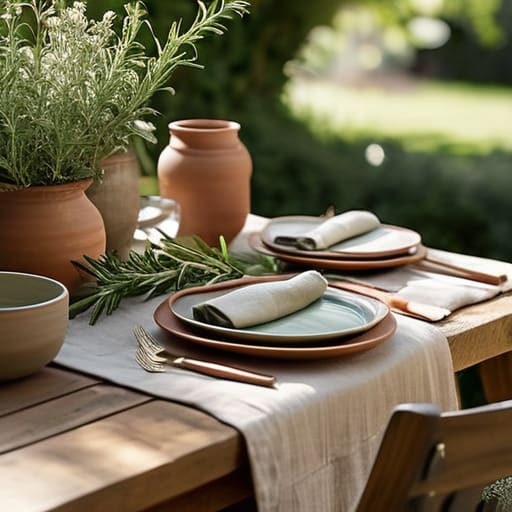
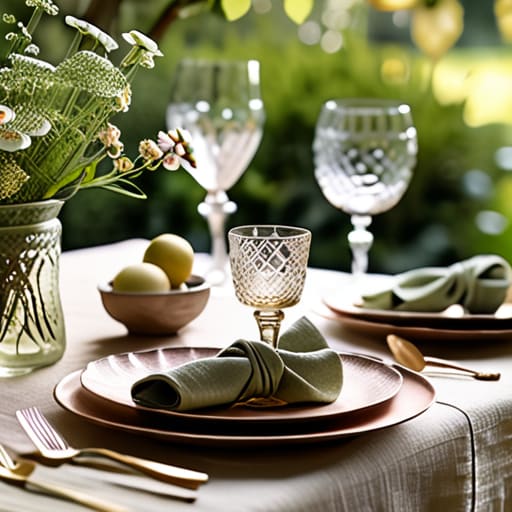
When it comes to choosing your retirement party decorations, I always tell my clients to lean into what feels nostalgic rather than what looks “professional.” Instead of ordering a bunch of shiny, generic streamers that’ll just end up in a bin next week, I love using things that actually tell a story. Think about pulling some vintage brass candlesticks from your thrift finds or scattering a few well-loved books around the snack table. If you’re looking for retirement party theme ideas that don’t feel forced, try something like “The Great Escape” with cozy textures and soft linens, or even just a “Golden Years” vibe using warm, amber-toned glassware.

The real secret to warmth, though, is all in the lighting. Please, for the love of all things cozy, turn off those harsh overhead lights! I’m a huge fan of string lights or even just a handful of unscented tea lights tucked into mismatched glass votives. It creates this soft, forgiving glow that makes everyone feel instantly relaxed. When the lighting is low and the atmosphere feels intimate, people actually want to linger and talk, which is exactly what a celebration like this should be about.

Choosing a Celebration Venue Selection That Feels Like Home

Choosing a Celebration Venue Selection That Feels Like Home.

Now, let’s talk about the big question: where are we actually doing this? When it comes to celebration venue selection, I always tell my clients to ignore the intimidating ballroom brochures. While a grand hall might look stunning in a photo, they can often feel a bit cold and stiff—the exact opposite of what a retirement should be about. If you’re looking to honor someone who has spent decades working hard, they probably just want to feel truly relaxed.

If your budget is tight or you just want that intimate vibe, your own backyard or a cozy living room is a goldmine. There is something so much more meaningful about hosting in a space where people can actually kick off their shoes. If you do decide to book a local cafe or a community garden, just make sure the layout allows for easy movement. You want a space that supports your retirement party theme ideas without feeling like you’re trapped in a formal banquet hall. Ultimately, pick a spot where the guest of honor can actually hear the stories being told around them.

Five little things that make a huge difference

  • Don’t overthink the menu—focus on “grazing” foods. Instead of a formal sit-down dinner that keeps everyone glued to their chairs, I love setting out big platters of easy-to-eat bites. It keeps the energy flowing and lets people move around the room to chat with different folks.
  • Curate a “memory lane” corner. You don’t need a high-tech slideshow; just grab some of those old physical photo albums or print out a few candid shots and scatter them on a side table. It’s such a lovely way to spark those “remember when” conversations that make these parties so special.
  • Set the mood with low-key lighting. This is my golden rule! Avoid those harsh overhead lights at all costs. A few well-placed floor lamps, some unscented tea lights, or even a string of warm fairy lights will instantly make the space feel cozy and relaxed rather than like a corporate office.
  • Keep the “official” speeches short and sweet. We all love a heartfelt tribute, but nobody wants to sit through a forty-minute presentation. Aim for a couple of meaningful toasts that leave everyone feeling inspired, then get back to the music and the laughter.
  • Create a way to say goodbye without the awkwardness. I’m a big fan of a simple guest book or even just a jar with slips of paper where people can write down their favorite memory of the retiree. It gives them something tangible to take home and cherish once the party winds down.

A few things to keep in mind

Focus on the vibe, not the budget—warm lighting and comfortable seating matter way more than expensive floral arrangements.

Pick a space where people can actually hear each other talk, whether that’s your own cozy living room or a local spot that feels lived-in.

Keep the “program” loose so the guest of honor can actually spend time catching up with everyone instead of being stuck in a formal itinerary.

The secret to a meaningful send-off

At the end of the day, your guests won’t remember if the napkins matched the tablecloth perfectly; they’ll remember the way the room felt, the warmth of the lighting, and how easy it was to actually sit down and share a laugh with the guest of honor.

Saoirse Mullan

The Heart of the Celebration

The Heart of the Celebration: cozy atmosphere.

At the end of the day, planning a retirement party isn’t about checking off a massive list of expensive decor or finding the most prestigious ballroom in the city. It’s really about those little, thoughtful details we’ve talked about—the soft lighting that makes everyone feel relaxed, a venue that doesn’t feel intimidating, and decorations that actually tell a story about the person we’re honoring. When you focus on creating a comfortable atmosphere rather than a perfect showroom, you allow your guests to actually breathe and enjoy themselves. Remember, it’s the combination of a cozy setting and meaningful touches that turns a standard gathering into a truly memorable milestone.

As you start pulling everything together, try not to let the stress of perfection get in the way of the fun. If a centerpiece isn’t exactly symmetrical or if you end up serving takeout instead of a five-course meal, don’t sweat it! Your friends and family aren’t there to critique your styling; they are there to celebrate a lifetime of hard work and the exciting new chapter ahead. Just keep the mood light, keep the drinks flowing, and focus on the genuine connections happening around the table. That is where the real magic happens, and honestly, that’s the best gift you can give to someone entering retirement.

Frequently Asked Questions

How can I handle the food without getting stuck in the kitchen the whole time?

Honestly, the kitchen is the biggest party-killer. If you’re stuck flipping burgers or plating salads, you’re missing the actual magic! My best advice? Go for a “build-your-own” station—think a taco bar or a fancy baked potato spread. It’s interactive, easy on your budget, and most importantly, it’s self-serve. That way, you can actually grab a drink, mingle, and enjoy the company instead of playing waiter all night.

Should I go with a big formal dinner or something more laid-back like a cocktail hour?

Honestly? Go with the cocktail hour. I’ve seen so many formal dinners where people feel stiff, checking their watches and struggling with heavy plates. A laid-back cocktail hour—think grazing boards, good music, and easy movement—lets people actually mingle and share stories about the retiree. It’s much more “them” and way less stressful for you as the host. Plus, it keeps the focus on the conversation, not the seating chart.

What's the best way to collect photos or memories from guests without it feeling cheesy?

Honestly, the “memory jar” can feel a little bit like a high school yearbook if you aren’t careful. Instead, I love setting up a dedicated “nostalgia station” with a few vintage polaroid cameras and some blank cards. It feels more like an activity than a chore. Or, even easier? Just create a shared digital album via a QR code on the tables. It’s low-pressure, totally seamless, and you actually get to keep all those candid, messy moments forever.