Month: March 2026

Professional event timeline creation process.

Creating a Timeline for Your Event

I still remember one of my first big catering gigs back in my twenties; I was so obsessed with a rigid, minute-by-minute schedule that I spent the entire night hiding in the kitchen, frantically checking my watch instead of actually greeting the guests. I had followed a professional “master plan” to the letter, but I completely missed the magic because I was too busy managing a clock. That’s the big lie people tell you: that event timeline creation needs to be this high-stress, military-grade operation to be successful. Honestly? If your schedule is so tight that you can’t even grab a glass of wine or laugh at a joke, you haven’t planned a party—you’ve planned a performance.

I’m not here to give you a complicated spreadsheet that will make you break out in hives. Instead, I want to show you how to build a flow that actually works for real life, focusing on the little things like when the snacks hit the table and when the music shifts gears. We’re going to focus on a relaxed approach to event timeline creation that prioritizes actual connection over perfection. Let’s get your plan sorted so you can finally stop worrying and start enjoying your own beautiful space.

Table of Contents

Mapping a Run of Show Template for Genuine Connection
Mapping a Run of Show Template for Genuine Connection

When I’m sitting down at my studio desk, I don’t start with a rigid minute-by-minute schedule that feels like a military operation. Instead, I think of a run of show template as a gentle guide rather than a set of rules. You want to map out the “big beats”—like when the appetizers hit the table or when the music shifts from chill background vibes to something a bit more upbeat—without suffocating the evening. If you plan every single second, you’ll spend the whole night checking your watch instead of actually enjoying that glass of wine with your best friend.

The secret is focusing on the flow of energy. I always suggest a loose event day itinerary that accounts for those little “buffer zones” we all need. Maybe it’s ten minutes for everyone to settle in with a drink, or a bit of extra time for the food to be plated so you aren’t rushing around the kitchen while guests are waiting. By prioritizing these natural transitions, you’re doing the heavy lifting of logistics coordination behind the scenes, which ultimately frees you up to be a present, warm host.

Smart Logistics Coordination Without the Stressful Chaos
Smart Logistics Coordination Without the Stressful Chaos

Now, let’s talk about the actual nuts and bolts. I know “logistics coordination” sounds like something a corporate project manager would obsess over, but for us, it’s really just about making sure you aren’t stuck in the kitchen when the first bottle of wine is being uncorked. My trick is to build a simple event day itinerary that focuses on the transition points. Instead of worrying about every single minute, just identify when the big shifts happen—like when the appetizers go out or when the lighting needs to dim for dinner.

I also highly recommend keeping a separate, private note on your phone for your vendor arrival schedule. If you’ve hired a local florist or a baker, you don’t want to be frantically texting them while you’re trying to greet your best friend at the door. Having those arrival times written down in one spot means you can breathe a little easier knowing the heavy lifting is being handled. It’s all about setting up these small guardrails so the day feels intentional, rather than like a series of frantic fires you’re constantly trying to put out.

Five Ways to Keep the Vibe Flowing (Without Losing Your Mind)

  • Build in “buffer zones” between the big moments. If you think the food will be ready at 7:00, aim for 6:45. Something always takes longer than expected—whether it’s a guest arriving early or a cork popping unexpectedly—and having that little cushion keeps you from feeling rushed.
  • Don’t overschedule the actual party time. It’s tempting to want a formal toast, a game, and a dessert course all planned out, but if you pack the schedule too tight, your guests will feel like they’re watching a show rather than actually enjoying themselves. Leave plenty of white space for the unplanned, beautiful conversations.
  • Plan your “prep-to-party” transition. I always make sure my timeline includes at least thirty minutes of “me time” before the first doorbell rings. You don’t want to be frantically scrubbing a countertop or hunting for a lighter when your first friend walks in; you want to be holding a drink and feeling relaxed.
  • Sync your lighting and music with the clock. A timeline isn’t just about food and speeches; it’s about the atmosphere. As the night progresses, plan to dim the lights and transition the playlist from upbeat background tunes to something a bit more mellow and soulful to signal the shift into cozy, late-night vibes.
  • Keep a “cheat sheet” version for yourself. You don’t need a massive binder, but having a tiny, simplified version of your timeline on your phone or a post-it note in the kitchen is a lifesaver. It helps you keep track of when the main course needs to hit the table without you having to constantly ask someone else for help.

My Golden Rules for a Stress-Free Flow

Build in “buffer time” between big moments—if you think the food will be ready at 7:00, aim for 6:45 so you aren’t frantically running to the kitchen while your guests are mid-sentence.

Prioritize the vibe over the schedule; if the conversation is flowing beautifully, don’t feel like you have to cut people off just to move on to the next planned activity.

Keep your “run of show” simple and accessible, because the goal is for you to be a part of the party, not the person stuck behind a clipboard all night.

## The Secret to Actually Enjoying Your Own Party

“A timeline shouldn’t be a rigid script that makes you feel like a drill sergeant; think of it more like a gentle roadmap that ensures the snacks are ready and the music is right, so you can actually stop worrying about the clock and start enjoying your friends.”

Saoirse Mullan

Keeping the Magic Alive

Keeping the Magic Alive through careful planning.

At the end of the day, your timeline is really just a safety net, not a rigid set of rules you have to follow to the second. By mapping out your run of show and handling those little logistical bits ahead of time, you aren’t just organizing an event; you’re protecting your own peace of mind. You’ve done the heavy lifting of planning the food transitions and the lighting shifts, which means when the first doorbell rings, you can actually put down the serving spoon and pick up a drink. Remember, the goal is to minimize the chaos so you can maximize the moments that actually matter.

Please don’t let a slight delay in dinner or a song that ends too early make you feel like the whole night is a failure. Some of my favorite memories from my years in catering happened when things went slightly off-script—it’s usually in those unpolished, unplanned gaps that the best conversations happen. If you’ve laid a solid foundation with your timeline, you have the freedom to embrace the unexpected. Trust yourself, keep the candles lit, and just focus on being present with the people you love. That is where the real magic lives.

Frequently Asked Questions

How much "buffer time" should I actually build in between things so I'm not constantly checking my watch?

Honestly? If you think you need ten minutes, give yourself twenty. I always tell my clients to bake in a “chaos buffer” of at least 15 to 30 minutes between major shifts—like moving from cocktails to dinner. People linger over drinks, someone inevitably forgets their phone in the car, and things just take longer than they do in your head. Build that extra cushion so you can actually grab a glass of wine instead of racing the clock.

What do I do if the food is ready way too early or a guest of honor shows up late?

Honestly, don’t panic! This is exactly why I keep that roll of double-sided tape in my purse—to fix the little things. If the food is ready early, lean into it. Put out some extra snacks, crank up the playlist, and let the appetizers linger. If someone’s late, don’t stall the whole vibe. Just keep the drinks flowing and the conversation moving. A little flexibility is what keeps a party feeling cozy instead of scripted.

Do I really need a minute-by-minute schedule, or is it okay to just have a general flow for the evening?

Honestly? Please, don’t do that to yourself. A minute-by-minute schedule is a recipe for anxiety, and the last thing you want is to be checking your watch while your best friend is mid-sentence. Aim for a “vibe map” instead. Know when the snacks hit the table and when the music shifts from chill to upbeat, but leave plenty of breathing room. If the conversation is flowing, let it flow!
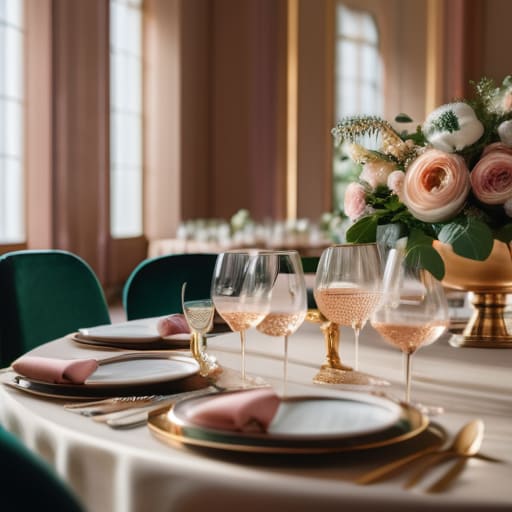
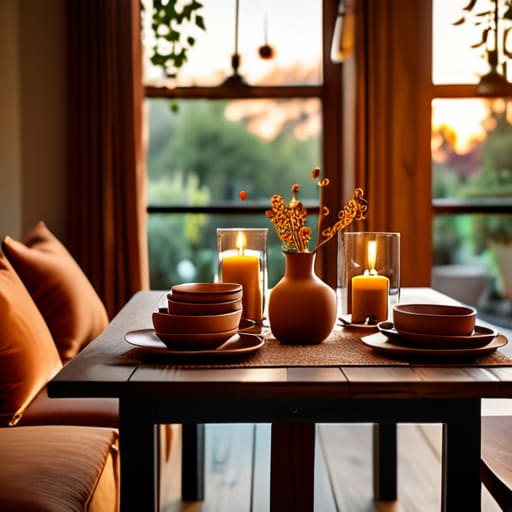
Choosing the right event color schemes.

Choosing the Right Color Schemes for Your Event

I remember one of my first big catering gigs back in my twenties, standing in a massive, cold ballroom surrounded by these incredibly expensive, perfectly coordinated floral arrangements. Everything was so “on-brand” and meticulously matched that it actually felt uninviting, like if I accidentally moved a single chair, the whole aesthetic would crumble. People were barely talking because they were too busy admiring the decor, and honestly? It felt stiff and fake. We get so caught up in the pressure of picking the “correct” color schemes that we forget we’re actually hosting human beings, not setting up a museum exhibit.

I’m not here to give you a lecture on color theory or tell you that you need to spend a fortune on custom linens to impress anyone. Instead, I want to share what I’ve learned from years of styling real homes for real people. I’ll show you how to pick palettes that feel warm and effortless, focusing on how colors actually affect the mood of the room. We’re going to find a way to make your space look intentional without making it feel like a showroom, so your guests can focus on the actual conversation.

Table of Contents

Using the Psychology of Color in Design to Foster Connection

Using the Psychology of Color in Design to Foster Connection.

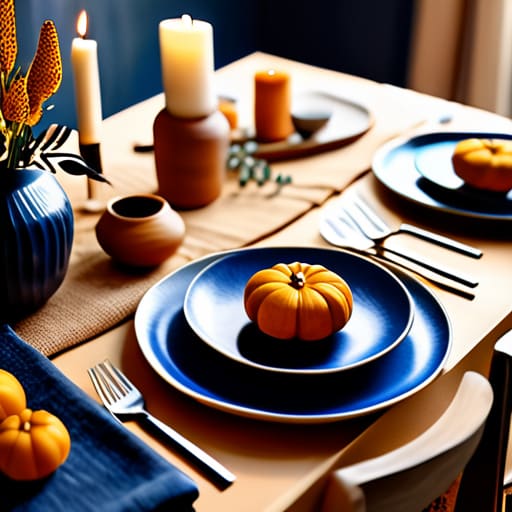
Now, I’m not saying you need to go back to school for a degree in art, but understanding a little bit about the psychology of color in design can totally change how your guests feel when they walk through the door. I’ve learned through years of styling that colors aren’t just pretty—they actually dictate the “vibe” of the room. For instance, if you’re hosting a cozy, intimate dinner where you want everyone to really open up, you might want to lean into warmer tones. Soft terracottas or muted ambers can make a space feel incredibly inviting and safe, which is exactly what you want when you’re aiming for deep conversation rather than loud, chaotic energy.

On the flip side, if you’re planning a bright, midday brunch, you might play around with analogous color schemes—think soft peaches blending into warm yellows. This creates a sense of harmony that feels effortless rather than forced. The goal isn’t to create a museum-perfect display; it’s about using these subtle shifts to make sure nobody feels like they’re sitting in a cold, sterile room. Just keep it relaxed and cohesive, and your guests will naturally settle in.

Finding Balance Through Complementary Color Combinations

Finding Balance Through Complementary Color Combinations

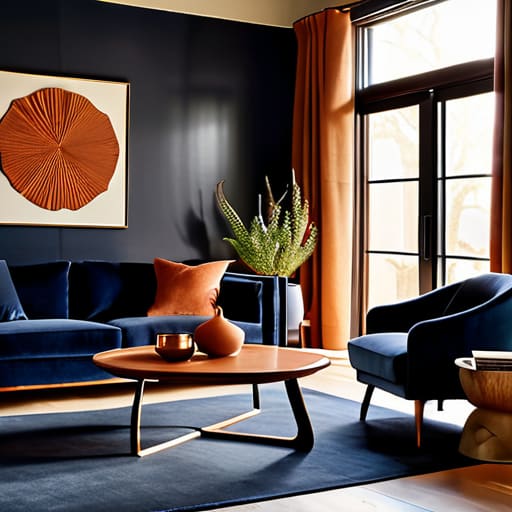
Now, I know that diving into all those different hues can feel a bit overwhelming, especially when you’re staring at a blank living room. If you want to create a space that feels lively but not chaotic, I always suggest playing around with complementary color combinations. This is basically just picking colors that sit opposite each other on the color wheel—think a deep navy paired with a warm, burnt orange. It creates this wonderful visual energy that makes a room feel “finished” without looking like a sterile showroom.

That being said, if you’re someone who gets a little anxious about things feeling too loud, don’t feel like you have to go big. You can always lean into analogous color schemes, which are just colors that sit right next to each other, like soft sage, forest green, and a hint of mustard. It’s much more low-key and soothing. My personal rule of thumb? If you’re stuck, just grab a few thrifted pieces in different shades of the same tone to create monochromatic color palettes. It’s an easy way to look intentional while keeping the vibe totally relaxed.

My Go-To Rules for Picking Colors Without the Stress

  • Don’t feel like you need to match everything perfectly. In fact, a little bit of “mismatch” makes a space feel lived-in and relaxed rather than like a showroom floor. If you’re using vintage glassware, let those slightly different shades of amber or green be part of your palette.
  • Use the 60-30-10 rule to keep things from feeling chaotic. Aim for about 60% of a dominant neutral, 30% of a secondary color, and then save that final 10% for your “pop”—maybe some bright velvet pillows or colorful napkins—to keep things interesting.
  • Test your colors in the actual light of your room. I’ve learned the hard way that a beautiful sage green can look totally different under warm evening lamps than it does in the bright afternoon sun. Always check the vibe once the sun goes down.
  • Lean into nature when you’re stuck. If you can’t decide on a scheme, just look outside. The combination of earthy terracotta, soft mossy greens, and sky blues is foolproof and always feels incredibly welcoming to guests.
  • Keep your “base” colors calm so the conversation can stay loud. If your walls or large rugs are too bright or jarring, people can get a bit restless. Stick to softer tones for the big stuff, and save the high-energy colors for the tabletop decor.

My Quick Cheat Sheet for Picking Your Palette

Don’t get paralyzed by a perfect color wheel; just pick a few tones that feel cozy and make you actually want to hang out in the room.

Use color to guide the vibe—think warm, soft hues for long dinner chats and brighter pops if you’re planning something a bit more high-energy.

Remember that your thrifted glassware and existing decor matter more than a matching set, so choose colors that play nice with what you already own.

My Golden Rule for Color

Honestly, don’t get paralyzed trying to pick the “perfect” palette from a designer magazine; just lean into colors that feel like a warm hug, because if your guests feel cozy, they’ll actually stay and talk.

Saoirse Mullan

Bringing It All Together

Bringing It All Together with cohesive colors.

At the end of the day, whether you’re leaning into those deep, moody blues to spark a late-night conversation or playing with bright, sunny yellows to keep the energy high, remember that color is just a tool to help your guests feel a certain way. We’ve talked about using psychology to build connection and how to balance out those bold choices with complementary tones, but please don’t let the “rules” paralyze you. You don’t need a perfectly curated, museum-grade palette to host a successful evening. Just aim for a sense of cohesion and comfort that reflects the vibe you want to create, and you’ll be more than halfway there.

If you find yourself stressing over whether the napkins perfectly match the tablecloth, just take a breath and remember why you’re doing this in the first place. You’re creating a space for the people you love to laugh, eat, and actually connect with one another. If the colors are a little off or the palette isn’t technically “perfect,” your friends won’t notice—they’ll be too busy enjoying the atmosphere you’ve built. So, grab those warm tones, dim the lights, and trust your gut. You’ve got this, and I can’t wait to hear how your next gathering turns out!

Frequently Asked Questions

I have a really dark living room with heavy furniture; how do I pick colors that won't make the space feel even smaller or gloomier?

Oh, I’ve been there! I once tried to host a dinner in my tiny, cave-like studio apartment and felt like I was hosting in a dungeon. My secret? Don’t fight the darkness; lean into it with “glowy” colors. Instead of stark white, which can look gray and depressing against heavy furniture, try warm creams, soft terracottas, or even a dusty sage. Pair them with plenty of layered lighting—think lamps and fairy lights—to make the room feel intentional and cozy rather than cramped.

Is it okay to mix and match different color schemes if I'm using thrifted decor, or will it end up looking messy?

Oh, absolutely! In fact, that’s my favorite way to do it. If you’re using thrifted pieces, trying to make everything match perfectly is a losing battle anyway. Instead of aiming for “identical,” aim for “cohesive.” Pick one common thread—maybe it’s a specific warm undertone or a certain metal finish—to tie those mismatched treasures together. It shouldn’t look messy; it should look curated, like it has a story to tell.

How much of the color scheme should come from the actual decor versus things like lighting and candles?

Honestly, don’t get too hung up on the physical stuff. I always say the decor is just the foundation, but lighting is the soul of the party. I like to keep the actual decor—like linens or flowers—fairly neutral so they don’t compete. Then, I let the candles and warm lamps do the heavy lifting. That golden, flickering glow can make even a basic white tablecloth feel intentional and incredibly cozy.

Personalized retirement gifts for colleagues.

Special Retirement Gifts for Colleagues

We’ve all been there: a colleague you truly adore is finally hanging up their hat, and suddenly you’re staring at a blank screen, paralyzed by the pressure of finding the perfect present. You want to honor their years of hard work, but let’s be honest, most retirement gifts end up being nothing more than dust-gathering trinkets that end up in a junk drawer by next Tuesday. It feels so impersonal to give something just because you feel like you have to, especially when that person has been such a huge part of your daily work life.

I don’t want you to settle for something generic or stiff just to check a box. In this post, I’m sharing five of my absolute favorite ideas that actually mean something. We’re moving away from the boring office supplies and focusing on things that celebrate their newfound freedom and the hobbies they finally have time for. Whether you’re chipping in with the whole team or picking out something small and sweet on your own, these suggestions will help you find something that feels genuinely thoughtful and special.

Table of Contents

Something for their new slow mornings

Something for their new slow mornings.

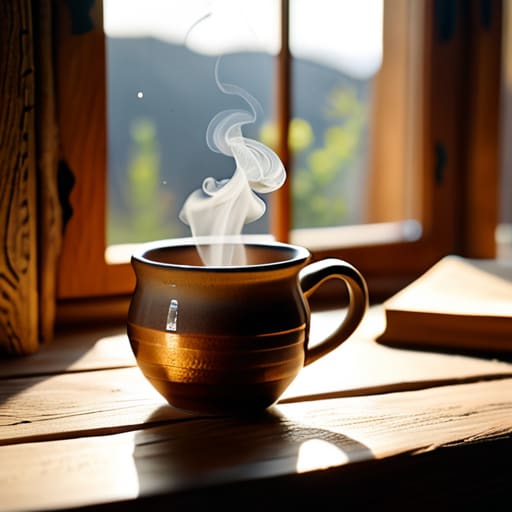
After years of racing against an alarm clock, the best gift you can give someone is permission to actually linger over a cup of coffee. I’m a huge fan of putting together a little “slow morning” kit. Think of a beautiful, hand-thrown ceramic mug from a local potter or even a vintage tea set I might have found while thrifting. It’s not just about the object; it’s about honoring that first quiet hour of their day that they’ve been dreaming about for decades.

A way to capture the memories

Photo book: a way to capture the memories.

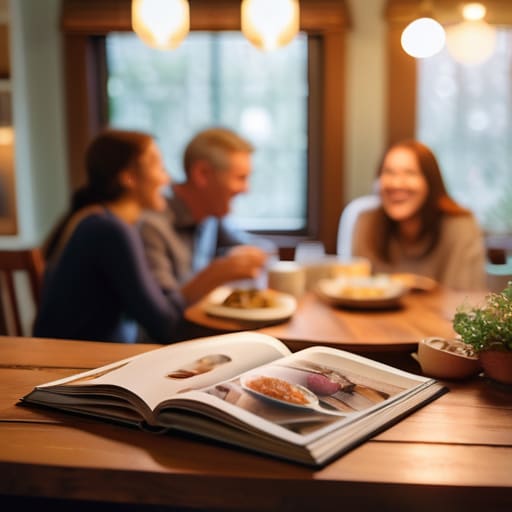
We all know that the hardest part of leaving a job isn’t the work itself, but saying goodbye to the people who made the tough days bearable. Instead of a generic plaque that will just gather dust on a shelf, I love the idea of something a bit more sentimental and personal. A high-quality photo book filled with candid shots from office parties, lunch breaks, or even just silly desk selfies can be so incredibly moving.

Experiences over "stuff"

Choosing experiences over "stuff" for retirement.

If you’re part of a group of colleagues chipping in together, I always suggest skipping the physical objects and going for an experience instead. Retirement is essentially a massive opening of a calendar, and sometimes the best way to celebrate that is to give them a reason to get out and explore. A gift certificate to a local botanical garden, a cooking class, or even a voucher for a nice weekend getaway can be such a game-changer.

Tools for a new passion

One of the most beautiful things about retiring is finally having the time to pursue those “someday” hobbies. Did your colleague always talk about starting a garden? Or maybe they’ve always wanted to try watercolor painting but never had the headspace? Finding a gift that leans into their true interests shows that you actually listened to them during your coffee breaks.

The gift of true relaxation

Let’s be real: most people entering retirement are carrying a fair amount of built-up stress from years of professional responsibility. Sometimes, the most appreciated gift is something that encourages them to just unplug and unwind. I’m talking about high-end loungewear, a really plush throw blanket for their reading nook, or even a subscription to a meditation app.

A Little Heart Goes a Long Way

Focus on the person, not the price tag; the best gifts are the ones that actually celebrate who they are and the time they’ve spent with you.

Avoid the “office clutter” trap by choosing things that are useful, consumable, or genuinely meaningful rather than just another dusty trinket for their desk.

Don’t stress about being perfect—a thoughtful, simple gesture always beats a stiff, overly expensive gift that lacks a personal touch.

The Heart of the Gift

At the end of the day, a retirement gift shouldn’t be about checking a box or buying something expensive to look professional; it’s about finding that one little thing that says, ‘I actually saw you, I appreciated you, and I can’t wait to see you enjoy your new freedom.’

Saoirse Mullan

Making It Personal

At the end of the day, whether you decide to go with a cozy, high-quality throw blanket for their new downtime or a thoughtful gift card that encourages a long-overdue hobby, the goal remains the same. You aren’t just handing over an object; you are acknowledging a massive chapter of their life that is officially coming to a close. Don’t get too caught up in the pressure of finding something “perfect” or incredibly expensive. Focus on finding that sweet spot between practicality and sentiment, making sure the gift reflects the person they are outside of their office desk.

Retirement is such a beautiful, slightly terrifying, and totally wonderful transition. It’s the ultimate chance for them to finally prioritize themselves, and your gift can be the little nudge they need to start that new adventure. Remember, the most meaningful gestures are usually the ones that say, “I see you, and I’m so excited for your next chapter.” So, take a deep breath, trust your gut, and celebrate the person, not just the professional milestone. They’re going to love it simply because it came from you.

Frequently Asked Questions

What if I'm on a super tight budget but still want to make them feel special?

Oh, I have been there! Honestly, some of my favorite memories aren’t from the fancy galas, but from the tiny, thoughtful gestures. If money is tight, lean into the “heart” factor. A handwritten letter sharing your favorite memory of them or a curated playlist of songs from their glory days costs zero dollars but means everything. It’s about showing you actually see them. Trust me, a little soul beats a pricey gift every time.

Is it better to go with one big group gift or several smaller things from everyone?

Honestly, if you can swing it, I’m a huge fan of the group gift. There’s something so special about everyone chipping in for one “wow” item—like that gorgeous vintage vase or a really nice restaurant voucher—that they might not have bought individually. It feels less cluttered and more intentional. But if you’re going the smaller route, just make sure they’re thoughtful little things that actually mean something to them.

How do I pick something meaningful if I don't actually know the person that well?

Honestly, I’ve been there! It’s so intimidating when you want to be thoughtful but you’re basically strangers. My rule of thumb? Stick to “elevated essentials.” Instead of guessing their hobbies, look for something high-quality that everyone uses—like a really beautiful, heavy linen tea towel or a stunningly scented candle. It feels intentional and special without being weirdly personal. You’re essentially gifting them a little moment of luxury in their new routine.