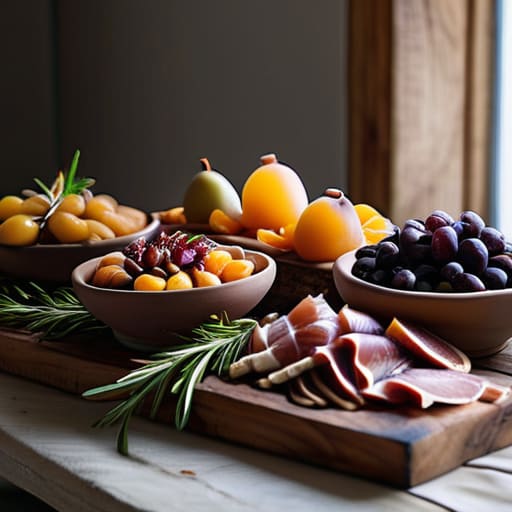
I still remember one of my first big catering gigs back in the city; I spent six hours meticulously arranging tiny sprigs of rosemary and expensive microgreens on a massive, expensive slate board, only to watch a guest accidentally knock a glass of red wine right into the center of it. It was a total disaster, and honestly? Most of the guests barely even noticed the “artistry”—they just wanted something delicious to munch on while they actually talked to each other. We’ve been sold this idea that a grazing table has to be some high-stress, Pinterest-perfect masterpiece that costs a fortune in specialty ingredients, but I think that’s a total waste of your energy.
I’m not here to teach you how to build a museum exhibit on a wooden board; I want to help you build a spread that actually works for your life. In this post, I’m sharing my real-world, no-nonsense approach to pulling together a grazing table that feels abundant and cozy without the total meltdown. We’re going to focus on the good stuff—reliable cheeses, hearty breads, and plenty of variety—so you can spend less time fussing over placement and more time enjoying your friends.
Table of Contents
Artisan Cheese and Meat Selection for Real Connection
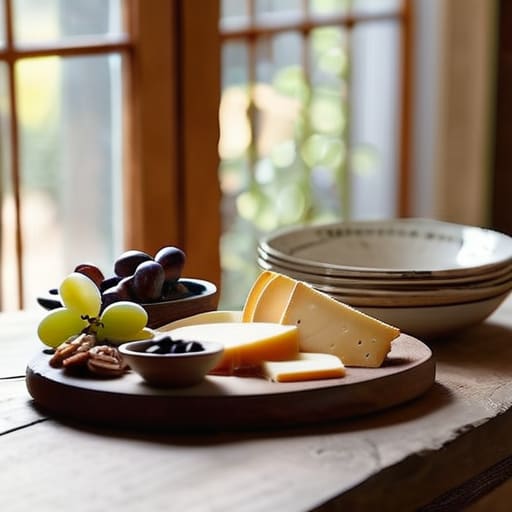
When it comes to your artisan cheese and meat selection, please don’t feel like you have to go out and buy the most expensive imported truffle brie just to impress anyone. In my experience, the best spreads are the ones that feel approachable. I love picking up a few reliable favorites from the local deli—maybe a sharp cheddar, a creamy goat cheese, and some salty prosciutto—and just letting them be the stars of the show. The goal isn’t to look like a professional chef; it’s to provide something delicious that people can nibble on while they’re actually talking to one another.
If you’re looking for some simple charcuterie board styling tips, my biggest secret is to avoid being too precious with the arrangement. You don’t need perfect symmetry. Instead, try grouping your meats in little ribbons and tucking small chunks of cheese into the gaps. I always keep a few extra crackers and some dried apricots nearby to fill in any awkward empty spots. It’s all about creating a lush, effortless look that invites your guests to reach in and dig in without feeling like they’re going to ruin a masterpiece.
Grazing Table Platter Components That Spark Conversation
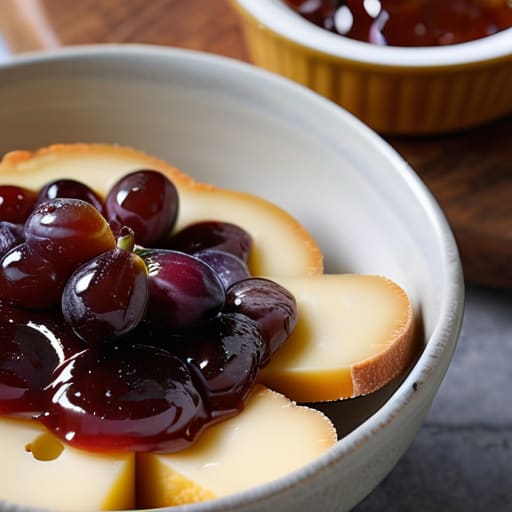
Once you’ve got your cheeses and meats sorted, it’s time to fill in the gaps. I always say that the “empty spaces” are where the magic happens. Instead of just laying things out flat, think about adding different heights and textures. I love using small ramekins for olives or cornichons, and maybe a few little bowls of honey or spicy jam to keep things interesting. These little details are some of my favorite party food presentation ideas because they give people something to talk about—like, “Oh, you have to try this fig jam with the brie!”
Don’t be afraid to get a little messy with your fruits and nuts, either. I usually scatter some dried apricots, handfuls of Marcona almonds, and maybe a few clusters of grapes across the board to create a sense of abundance. When you’re looking at different grazing table platter components, remember that it shouldn’t look too perfect or manicured. You want it to look lush and inviting, like it just naturally tumbled onto the table. It’s that effortless, “help yourself” vibe that really makes guests feel at home.
My Little Secrets for a Stress-Free Spread
- Don’t be afraid of height. I always keep a few sturdy wooden crates or even just some upside-down bowls tucked under my linens to create different levels; it makes the whole table look lush and intentional rather than just flat.
- Keep the “messy” stuff contained. I like to use small, mismatched vintage bowls for things like olives, honey, or jams so you aren’t constantly worrying about a rogue drop of balsamic ruining your tablecloth.
- Think about the “grab-and-go” factor. If you’re hosting a mingle-heavy party, make sure there are plenty of easy-to-pick-up items like grapes or crackers so people aren’t stuck hovering over a plate with a knife.
- Lighting is everything. Instead of harsh overhead lights, I scatter a few tea lights or some battery-operated fairy lights around the edges of the food to give the whole spread a warm, inviting glow.
- Leave some “breathing room.” You don’t need to cover every single square inch of the table; a little bit of empty space between clusters of food actually makes the spread look more curated and less overwhelming.
My Golden Rules for a Stress-Free Spread
Don’t sweat the perfect symmetry; a little bit of delicious chaos actually makes people feel more comfortable reaching in for a snack.
Focus on variety over volume—a few really good cheeses and some crunchy nuts are better than a mountain of mediocre crackers.
Always keep things easy to grab so your guests can keep a drink in one hand and a conversation going with the other.
My Philosophy on Food
“Don’t get caught up in trying to make a grazing table look like a museum exhibit; if people are too intimidated to touch the food, you’ve missed the point. I want my guests reaching for a piece of brie and a cracker while they’re mid-laugh, not staring at a perfectly placed sprig of rosemary.”
Saoirse Mullan
Bringing It All Together
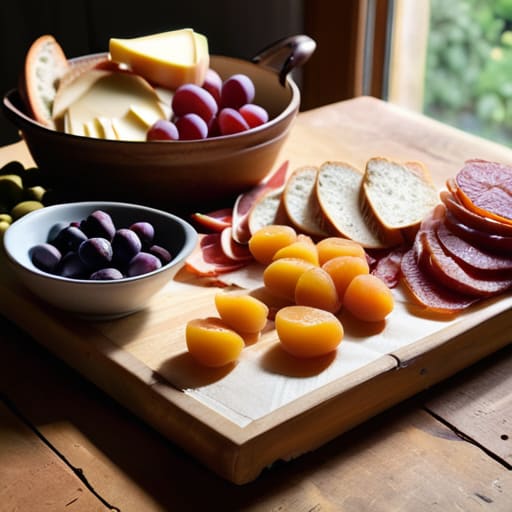
At the end of the day, building your grazing table doesn’t have to be this stressful, high-stakes production. Just remember that it’s all about those simple, thoughtful layers: a handful of your favorite cheeses, some salty meats, plenty of crunchy textures, and maybe a few clusters of grapes or olives to fill in the gaps. You don’t need to hunt down rare, expensive delicacies to make an impact; honestly, a well-curated selection of things you actually enjoy eating is much better than a spread of fancy foods that no one touches. Focus on the variety, keep the layout a little bit messy and organic, and let the food do the heavy lifting so you can actually enjoy your own party.
I know it can feel overwhelming when you’re staring at a pile of crackers and cheese, but please don’t let the “perfect” look get in the way of the fun. My best advice? Just dive in and start arranging. If a piece of brie ends up slightly crooked or a grape rolls off the board, it’s no big deal—it just adds to that cozy, lived-in charm we’re all after. The most important ingredient isn’t something you can buy at a specialty market; it’s the warmth and hospitality you bring to the table. So, grab a glass of wine, light some candles, and get ready to make some wonderful memories with your favorite people.
Frequently Asked Questions
I don't have a massive dining table, so how can I make a grazing spread work in a smaller living room space?
Don’t sweat the small space! Honestly, a massive table is overrated anyway. If your dining area is tiny, just clear off your coffee table or even use a sturdy sideboard. I love using tiered cupcake stands or even a few wooden cutting boards at different heights; it creates visual interest without taking up much footprint. It makes the spread feel more intimate, like everyone is huddled close together, which is exactly the vibe we’re going for.
Is it better to prep everything the night before, or should I wait until right before the guests arrive so nothing looks wilted?
Oh, I feel this struggle! Honestly, I’m a big fan of a “hybrid” approach. I love prepping the non-perishables—like the nuts, dried fruits, and crackers—the night before so I’m not scrambling. But for the good stuff? Definitely wait. I’d never prep sliced meats or delicate berries too early; they just get sad and weep by party time. Aim to assemble the main spread about an hour before guests arrive so everything stays fresh and vibrant.
How do I keep the food looking fresh and appetizing if the party is going to last for a few hours?
Honestly, the biggest mistake is putting everything out at once. If you have a long afternoon or evening ahead, I always suggest “staggering” your spreads. Keep your main proteins and cheeses in the fridge and just bring out fresh, beautiful batches every hour or so. It keeps the colors looking bright and prevents that sad, wilted look. Plus, it gives you a little excuse to pop into the kitchen and refresh the vibe!
