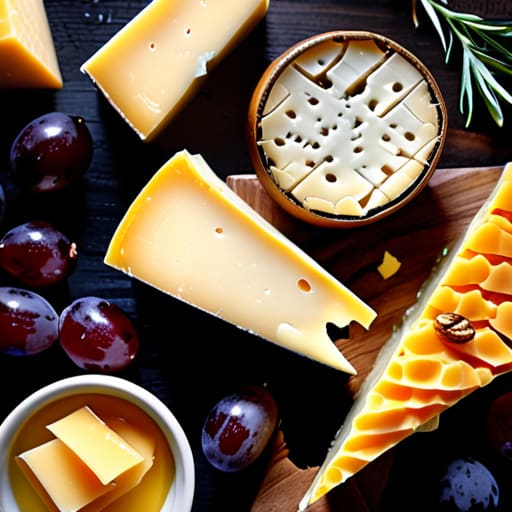
I was working a high-end catering gig a few years back when I watched a stylist spend forty minutes meticulously arranging tiny sprigs of micro-greens around a single wedge of brie. It looked stunning for the photo, sure, but by the time the guests actually sat down, the whole thing was a disastrous, sticky mess of crushed herbs and smeared dairy. Honestly, it made me realize how much pressure we put on ourselves to make a cheese platter look like a piece of fine art when it’s really just meant to be eaten. We get so caught up in the “aesthetic” that we forget the whole point is to have something delicious to nibble on while you’re actually talking to your friends.
I’m not here to tell you that you need a gold-leafed tray or a dozen rare imports from a boutique shop to host a great night. Instead, I want to show you how to build a cheese platter that feels effortless, looks beautiful in that “I just threw this together” kind of way, and—most importantly—actually tastes amazing. We’re going to focus on simple pairings, smart textures, and a few little tricks I’ve learned from years of styling events, so you can spend less time fussing with tweezers and more time enjoying your guests.
Table of Contents
Curating an Artisan Cheese Selection for Real Friends
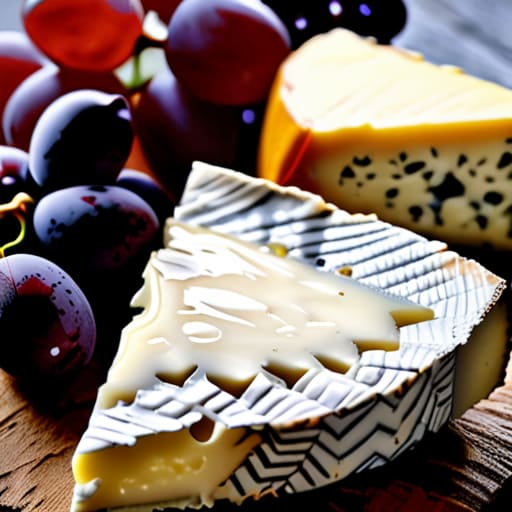
When I’m putting together an artisan cheese selection, I always tell my clients to stop overthinking the “rules.” You don’t need a PhD in dairy to host a great night. My personal rule of thumb is to aim for a little bit of everything: something hard and nutty like a Gruyère, something creamy that practically melts, and maybe a funky blue if your crowd is feeling adventurous. I love picking up a few unique wedges from the local deli rather than just grabbing the standard supermarket blocks; it adds such a lovely, personal touch that shows you actually put some thought into it.
Once you have your cheeses, the magic happens in the balance. I’m a huge fan of pairing sweet and savory accompaniments to keep things interesting. Think a dollop of fig jam next to a sharp cheddar, or some salty Marcona almonds scattered around. And please, don’t forget the crunch! Finding the best crackers for cheese—maybe a sourdough crisp or a simple sea salt cracker—is what really ties the whole spread together. It’s all about creating those little flavor pops that make people linger around the table.
Finding the Best Crackers for Cheese and Cozy Vibes
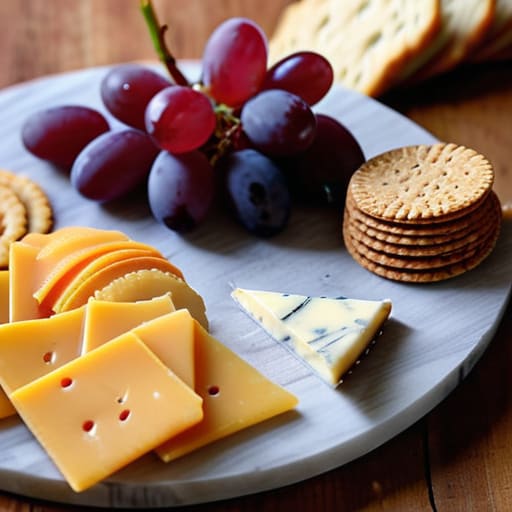
Honestly, don’t get too caught up in trying to find one single “perfect” cracker. I’ve learned the hard way that if you only pick one type, you’re going to end up with a very one-dimensional snack situation. When I’m working on my own charcuterie board styling tips, I always aim for a mix of textures. You want something sturdy and salty, like a classic sea salt cracker, to stand up to a creamy brie, but you also need something a bit more delicate—maybe a thin fruit crisp or a rosemary flatbread—to complement those sharper, aged cheddars.
If you really want to level up the experience without breaking the bank, think about the crunch factor. A handful of artisanal sourdough crisps can make even a simple spread feel intentional and special. I like to grab a variety of shapes and sizes too; it just makes the whole board look more effortless and inviting. Just remember, the goal isn’t a museum-quality display—it’s about finding the best crackers for cheese that your friends will actually want to grab while they’re mid-sentence in a great story.
My Little Secrets for a Platter That Actually Works
- Don’t forget the “sweet and salty” balance. I always try to tuck in a small bowl of honey or some fig jam alongside the sharper cheeses; it makes a massive difference when you’re grazing.
- Temperature is everything. I learned the hard way that cold cheese is sad cheese, so try to pull your selection out of the fridge about thirty minutes before your friends arrive so the flavors can really wake up.
- Think about textures, not just flavors. You want a mix of something creamy like a brie, something crumbly like a goat cheese, and maybe something hard and aged so there’s a bit of a crunch to it.
- Use what you have on hand for styling. I love using my thrifted vintage bowls or even a small wooden cutting board to nestle everything together—it looks much more intentional and cozy than a sterile white plate.
- Keep the “mess” contained. If you’re using something particularly soft or juicy, like a ripe brie or some grapes, give them their own little spot so they don’t turn the crackers into a soggy mess before anyone can grab them.
My Golden Rules for a Stress-Free Spread
Don’t overthink the variety; a mix of one hard, one soft, and one funky cheese is plenty to keep everyone happy without you spending the whole night in the kitchen.
Focus on the textures by pairing your cheeses with something crunchy, something sweet like honey or jam, and something fresh to balance it all out.
Presentation is all about the “vibe,” so grab your favorite thrifted wooden board or even a pretty ceramic platter and lean into a little bit of organized chaos.
## The Heart of the Table
“At the end of the day, a cheese platter isn’t about having the most expensive wedge from a boutique shop; it’s about creating a little edible centerpiece that invites people to slow down, grab a cracker, and actually stay for a second helping of conversation.”
Saoirse Mullan
Bringing It All Together
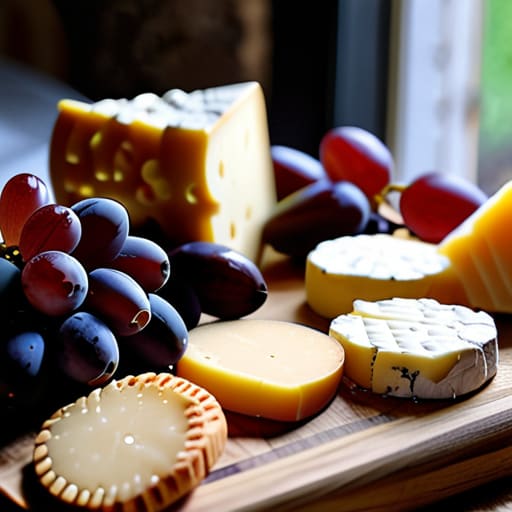
At the end of the day, building the perfect cheese platter isn’t about following a strict set of rules or having a massive budget. It’s really just about finding that sweet spot between a creamy brie, a sharp cheddar, and the perfect crunch from a handful of good crackers. You don’t need to hunt down rare, expensive imports to impress anyone; just focus on a few flavors that you actually love and some simple accompaniments like honey or grapes to round things out. Once you’ve got your selection sorted and your board looking somewhat intentional, you’ve done the hard part. Now, it’s time to stop fussing over the placement and actually enjoy the spread you’ve created.
I know how easy it is to get caught up in the “perfect host” trap, worrying if every grape is positioned just right or if the cheese is sliced to perfection. But please, let me tell you from experience: your friends aren’t there to critique your plating. They are there to sit on your sofa, laugh until their sides ache, and share a moment of connection. The cheese is just the delicious backdrop to the real magic happening around the table. So, pour yourself a glass of something nice, dim the lights, and remember that the best ingredient any party can ever have is your own relaxed presence.
Frequently Asked Questions
How much cheese do I actually need to buy so I don't run out or end up with a mountain of leftovers?
I used to stress about this constantly when I was working catering, but honestly? Don’t overthink it. A good rule of thumb is about two to three ounces of cheese per person if you’re serving it alongside other snacks. If the cheese board is the main event, bump that up to four or five ounces. I’d rather have a little extra for a midnight snack than watch my guests eyeing the empty board!
Do I really need to serve everything at room temperature, or is it okay to pull it out of the fridge right before people arrive?
Oh, please don’t pull it straight from the fridge! I know it’s tempting when you’re rushing to finish decorating, but cold cheese is just… sad. It loses all that lovely texture and flavor. Try to pull your platter out about 30 to 60 minutes before your guests arrive. It gives the fats a chance to soften up so everything tastes exactly how it should. Trust me, your tastebuds (and your friends) will thank you.
What are some easy, budget-friendly ways to make the board look "styled" without spending a fortune on fancy garnishes?
Honestly, don’t feel pressured to buy those expensive, tiny edible flowers or fancy microgreens. I usually just raid my own pantry or garden! A handful of walnuts, some dried apricots, or even just a few sprigs of rosemary from the windowsill can make a board look intentional and lush. The trick is to fill the gaps so nothing looks lonely. If you have some leftover grapes or even just a drizzle of honey, use it!
