Author: Saoirse Mullan

I believe that a great party is about the people, not how much you spent on the centerpieces. You don't need a professional crew to make your friends feel special and welcomed. Let's focus on good food, cozy lighting, and actual conversation.

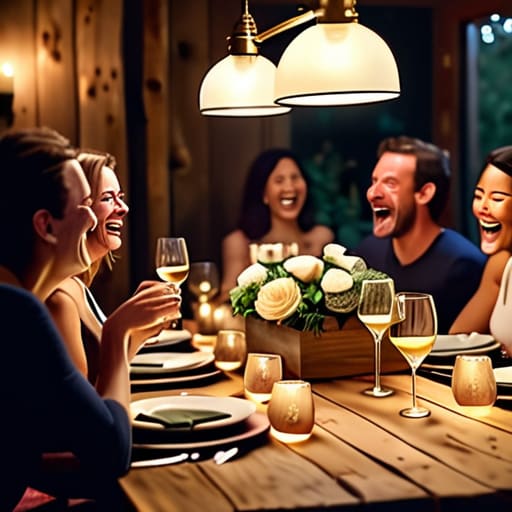
Hosting a themed dinner series event.

Hosting a Series of Themed Dinner Evenings

I used to think that hosting a themed dinner series meant I had to spend my entire paycheck on custom-printed menus and perfectly color-coordinated floral arrangements that would just die by Tuesday. Honestly, the sheer pressure to make every single night look like a spread from a high-end lifestyle magazine is exhausting and, frankly, a bit ridiculous. I’ve spent years in the catering industry watching people stress over the “perfect” aesthetic, only to realize that the guests were too busy laughing and eating to notice if the napkins matched the tablecloth.

If you’re tired of the performative hosting culture, I want you to take a deep breath. I’m going to show you how to pull off a themed dinner series that actually feels intentional without costing you a fortune or your sanity. We aren’t going to obsess over expensive props; instead, we’re going to focus on low-stress ways to build a vibe through cozy lighting, soulful music, and food that makes people want to linger long after the plates are cleared. Let’s get back to what matters: making your friends feel truly at home.

Table of Contents

Creating Immersive Dining Concepts Without the Expensive Price Tag
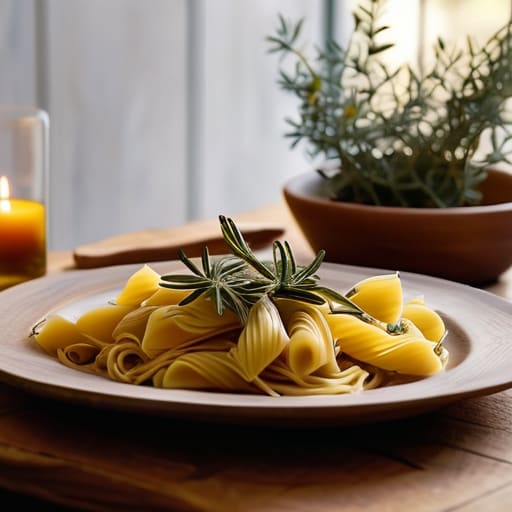
Creating Immersive Dining Concepts Without the Expensive Price Tag

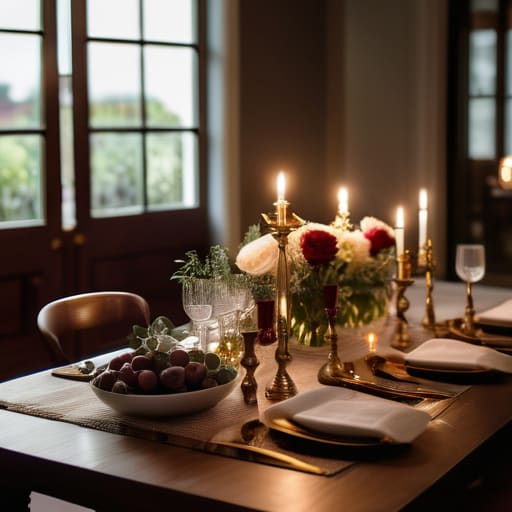
I know what you’re thinking—when we hear terms like “immersive dining concepts,” we immediately picture those high-end, white-tablecloth pop-ups where a single course costs more than my monthly grocery bill. But honestly? You can achieve that same sense of magic right in your own dining room without draining your savings. The secret isn’t in buying gold-rimmed plates; it’s about sensory storytelling. Instead of a massive budget, focus on a single, cohesive vibe. If you’re doing a Mediterranean night, don’t just serve pasta—scatter some dried oregano on the table, play some soft acoustic guitar, and use those mismatched amber glasses I found at the thrift store last weekend. It’s those tiny, intentional details that make people feel like they’ve stepped into another world.

You don’t need to hire a team for private chef dinner parties to make the food feel special, either. You can lean into gastronomy storytelling by picking a specific memory or season to center your menu around. If it’s autumn, let the menu reflect the harvest with earthy spices and warm colors. It’s about creating a mood, not a museum exhibit.

Using Gastronomy Storytelling to Connect Your Favorite People
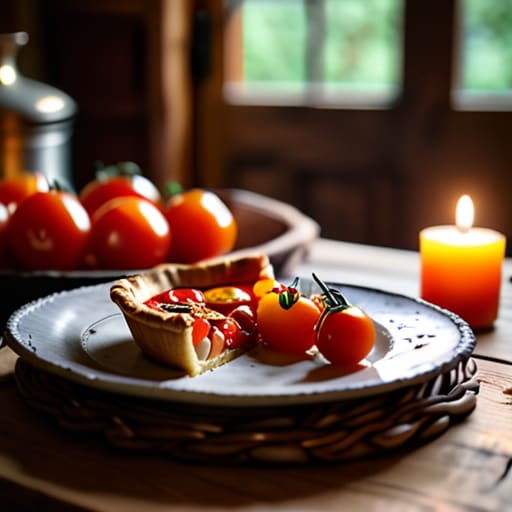
Using Gastronomy Storytelling to Connect Your Favorite People

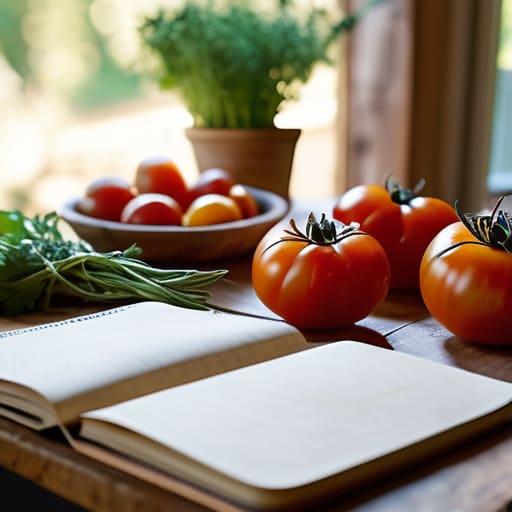
Instead of just putting a plate of pasta in front of someone, think about the story behind the meal. I’ve always felt that gastronomy storytelling is the secret sauce to a memorable night. Maybe you’re serving a dish that reminds you of a road trip you took in your early twenties, or perhaps you’re highlighting a specific heirloom tomato you found at the farmer’s market. When you share those little snippets of why a certain ingredient or recipe matters, you’re doing more than just feeding people—you’re inviting them into your world.

You don’t need to hire a team for private chef dinner parties to pull this off. You can easily mimic that high-end feeling by building a simple, cohesive narrative around your food. For example, if you’re doing a Mediterranean night, don’t just serve olives and feta; tell your friends about the specific seaside village that inspired your grandmother’s recipe. It turns a standard meal into a series of meaningful connections, making the evening feel intentional and deeply personal without requiring a massive budget.

Five ways to keep your dinner series feeling cozy (and easy!)

  • Keep the menu simple so you aren’t stuck in the kitchen. Pick one “star” dish that fits your theme—like a big pot of slow-cooked ragu for an Italian night—and let everything else be easy assembly. If you’re too busy plating tiny garnishes, you’re missing out on the actual conversation.
  • Use what you already have in your cupboards. I’m a huge fan of thrifting vintage glassware, but you don’t need a matching set of crystal to make things feel special. Mix and match different colored wine glasses or mismatched ceramic plates; it actually makes the table look more lived-in and intentional.
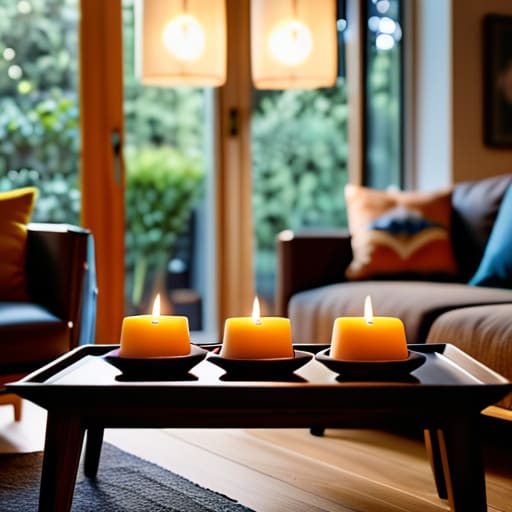
  • Focus on “mood lighting” over bright overheads. This is my golden rule. Dim the lights, light a few unscented candles, or string up some fairy lights. It instantly softens the room and makes even a basic Tuesday night dinner feel like a real event.
  • Create a low-key soundtrack that fits the vibe. If you’re doing a Mediterranean theme, find a breezy bossa nova playlist. If it’s a cozy winter series, go for some soft folk. Just keep the volume low enough that people don’t have to shout over their pasta.
  • Don’t be afraid to let the theme be a little “rough around the edges.” You don’t need professional signage or custom menus. A few handwritten notes on some scraps of cardstock or even just telling your friends the “story” of the night when they arrive is more than enough to set the scene.

The Heart of the Matter: My Top Three Tips

Don’t sweat the expensive decor; focus on the vibe. Dim the lights, grab some mismatched vintage glassware from your local thrift shop, and prioritize cozy lighting over pricey centerpieces every single time.

Let the food tell the story. Instead of a complicated five-course meal, pick a theme that actually means something to your group—like a “childhood favorites” night—to get the conversation flowing naturally.

Keep it low-pressure so you can actually enjoy yourself. If you’re too busy playing host or fixing a centerpiece, you aren’t connecting with your guests, and that’s the whole point of bringing everyone together.

## The Heart of the Table

“At the end of the day, a themed dinner isn’t about having a perfectly coordinated color palette or matching linens; it’s about creating a little world where your friends feel safe enough to lose track of time and just be themselves.”

Saoirse Mullan

Bringing It All Together
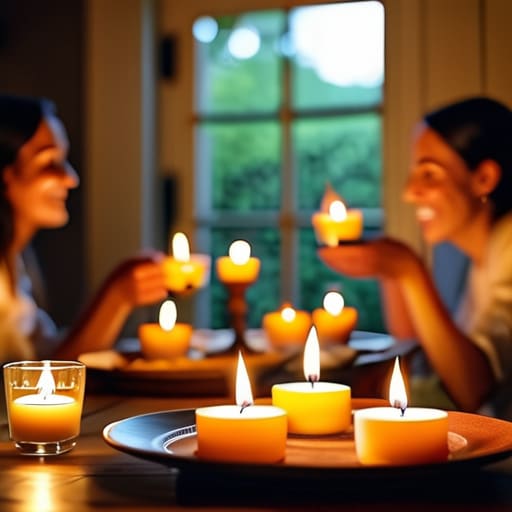
Bringing It All Together with warm lighting.

At the end of the day, hosting a themed dinner series isn’t about having a perfectly color-coordinated table or a menu that looks like it belongs in a Michelin-star magazine. It’s about the little things—the way a specific playlist sets the mood, how a simple, themed menu sparks a conversation, or even just the warm glow of some unscented tea lights scattered around the room. We’ve talked about keeping things budget-friendly and using food to tell a story, but don’t let the planning become a chore. If you focus on intentionality over perfection, you’ll find that your guests care way more about the vibe you’ve created than whether your napkins match the tablecloth perfectly.

So, please, stop waiting for the “perfect” moment or the “perfect” budget to start hosting. Your dining table is waiting, and your friends are probably craving that sense of connection just as much as you are. Grab those mismatched vintage glasses you found at the thrift store, dim the lights, and just start doing it. The best memories aren’t made in high-end banquet halls; they’re made in cozy living rooms, surrounded by good food and the people who make you feel most like yourself. You’ve totally got this!

Frequently Asked Questions

How do I pick a theme that isn't too cheesy or overwhelming to pull off?

Honestly, the best way to avoid that “tacky party store” vibe is to pick a mood rather than a costume. Instead of “Italian Night” with plastic tablecloths, think “Tuscan Summer Sunset”—focus on warm candlelight, mismatched vintage plates, and a big bowl of pasta. If you center the theme around a feeling or a specific memory rather than a literal trope, it feels intentional and cozy instead of overwhelming and cheesy.

I'm a terrible cook—can I still host a themed dinner series if I'm mostly using store-bought shortcuts?

Oh, absolutely! Please, let me stop you right there—you do not need to be a Michelin-star chef to be a great host. Honestly, some of my favorite nights involve a really good rotisserie chicken or high-quality store-bought pasta dressed up with some fresh herbs and fancy olive oil. It’s all about the presentation and the vibe. If the lighting is low and the wine is flowing, nobody is going to be auditing your kitchen skills!

What's the best way to handle dietary restrictions without totally ruining the "vibe" of the theme?

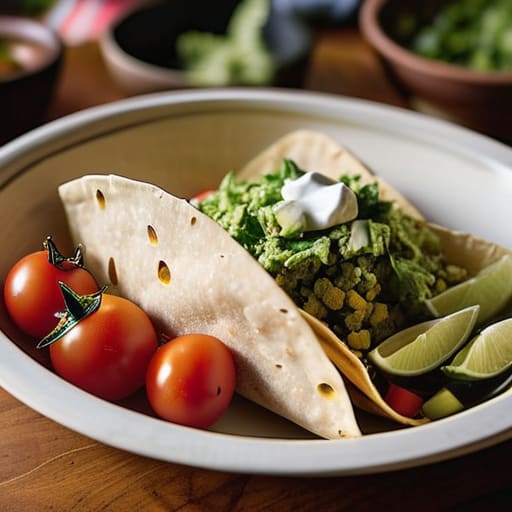
Honestly, this is the part that stresses everyone out, but don’t let it kill your mood! The trick is to make the “restricted” version feel like a deliberate choice, not an afterthought. Instead of making a separate, sad plate, try building your theme around naturally inclusive foods. Think a DIY taco bar or a Mediterranean spread—everything is modular, so guests can skip the feta or the gluten without feeling like they’re eating a different party.
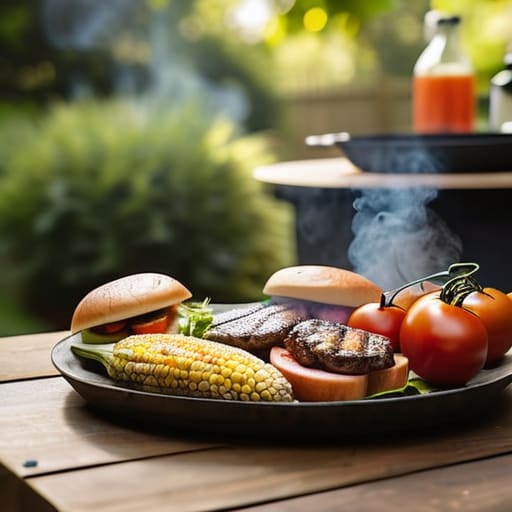
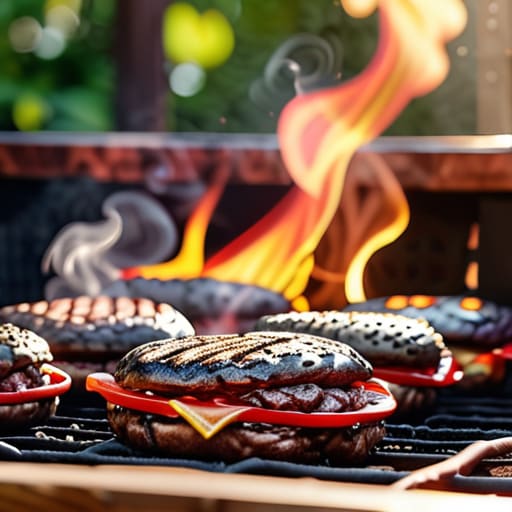
Planning a fun backyard barbecue.

Planning a Backyard Barbecue

I remember standing in a client’s massive, manicured garden last summer, staring at a spread of color-coordinated linen napkins and tiny, overpriced appetizers that looked too pretty to actually eat. Everyone was standing around stiffly, checking their phones, and nobody was even touching the food. It was the most expensive, soul-crushing backyard barbecue I’ve ever seen. Honestly, it felt less like a party and more like a high-stakes photoshoot where everyone was terrified of making a mess.

I’m over the idea that you need a massive budget or a professional catering team to host something memorable. In this guide, I’m stripping away all the unnecessary fluff to show you how to host a backyard barbecue that actually feels like a celebration. I’ll share my favorite low-stress ways to nail the lighting, keep the food simple, and create a space where your friends can actually relax and talk. We’re focusing on the vibes, the good company, and making sure you actually get to sit down and enjoy your own party.
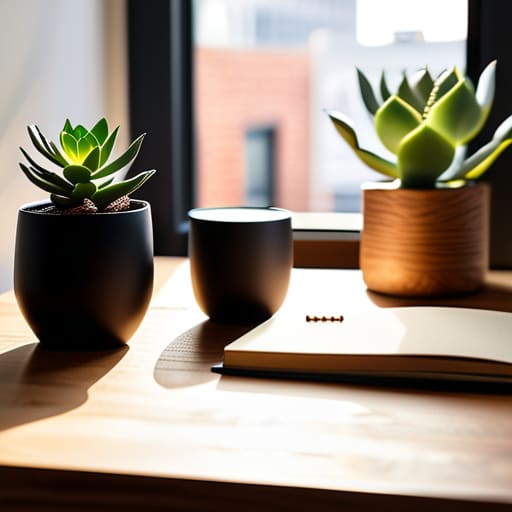
Table of Contents

Choosing Your Flame Best Charcoal vs Gas Grills

Choosing Your Flame Best Charcoal vs Gas Grills

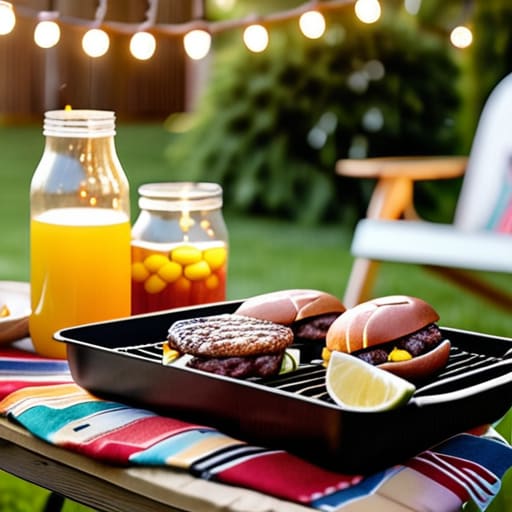
Now, let’s talk about the actual heart of the operation: the grill. I know, I know, it sounds technical, but choosing between the best charcoal vs gas grills really just comes down to what kind of energy you want for your afternoon. If you’re the type who loves a slow, soulful process—maybe with a glass of wine in hand while you wait for those coals to glow—charcoal is your best friend. It gives everything that smoky, nostalgic flavor that makes a simple burger feel like a special occasion.

On the flip side, if you’re hosting a big group and the last thing you want to do is spend an hour managing embers, go with gas. It’s all about convenience and speed, which is a lifesaver when you’re juggling summer party food ideas and trying to keep the drinks flowing. For me, it’s less about which one is “better” and more about how much time you want to spend hovering over the heat versus actually hanging out with your guests. Just pick the one that lets you relax, because at the end of the day, you want to be part of the conversation, not just the person stuck behind the smoke.

A Simple Backyard Patio Setup for Real Connection

A Simple Backyard Patio Setup for Real Connection

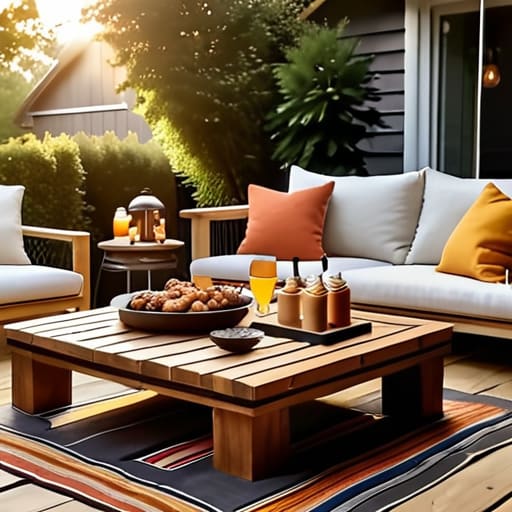
Once you’ve settled on your grill, the next step is making sure your space actually feels inviting. I’ve learned the hard way that if people are uncomfortable, they won’t stay long enough to actually talk. Instead of worrying about matching outdoor furniture sets, focus on a cozy backyard patio setup that feels lived-in. I love pulling my indoor rugs outside or layering some old throw pillows on the patio chairs to soften those hard edges. It’s all about creating little pockets where people can lean in and actually hear each other over the sound of the sizzling meat.

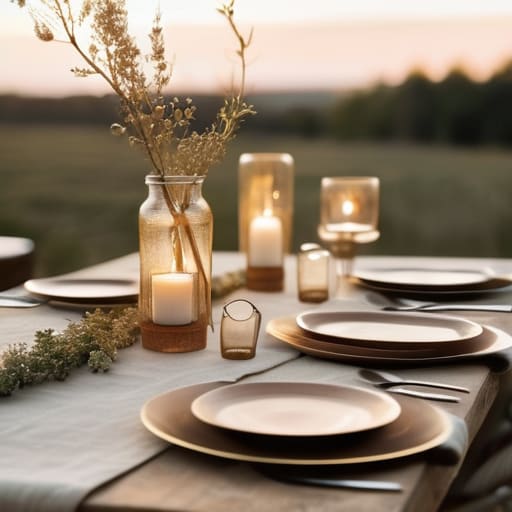
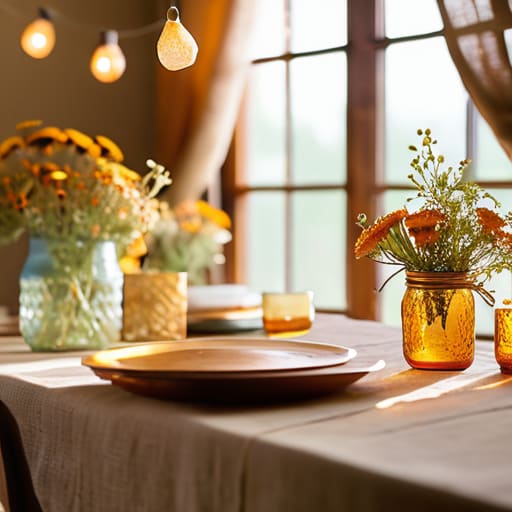
Don’t forget the lighting—this is one of my absolute outdoor entertaining essentials. String lights are your best friend here; they provide that warm, amber glow that makes everything feel a bit more magical once the sun dips below the fence. I always keep a few unscented tea lights in a cluster on the table to add a little extra depth. The goal isn’t to make it look like a magazine spread, but to make sure your guests feel like they can kick off their shoes and truly relax.

My Low-Stress Secrets for a BBQ That Actually Feels Like a Party

  • Keep the food simple so you aren’t stuck behind the grill all night. Instead of trying to cook five different complicated things, stick to a few crowd-pleasers like marinated chicken or veggie skewers. The goal is for you to actually eat your own food, not just serve it!
  • Set up a DIY drink station away from the cooking area. Grab a big galvanized tub or even just a few vintage bowls you’ve found at the thrift store, fill them with ice, and let people help themselves to sodas, seltzers, or a big pitcher of spiked lemonade. It keeps people moving and saves you from playing bartender every five minutes.
  • Lighting is everything for the vibe. Once the sun starts to dip, turn off those harsh overhead porch lights and lean into string lights or a few citronella candles scattered around. It instantly makes the backyard feel cozy and intentional rather than just “the lawn.”
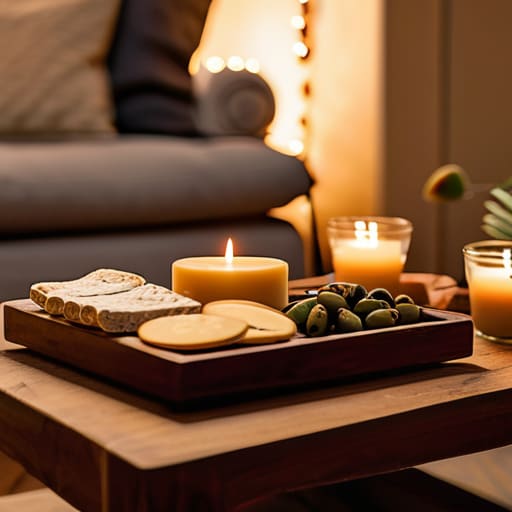
  • Don’t forget the “buffer” snacks. While everyone is waiting for the main course to finish, have a big wooden board out with some chips, hummus, or olives. It keeps the “hangry” vibes at bay and gives people something to nibble on while they’re catching up.
  • Create a “chill zone” with extra seating. If you don’t have enough matching patio chairs, don’t sweat it. Throw some outdoor cushions on the grass or bring out a couple of cozy blankets for when the evening air gets a bit crisp. It makes the space feel much more lived-in and welcoming.

My Golden Rules for a Stress-Free Cookout

Don’t sweat the small stuff; if the burgers are juicy and the music is chill, nobody is going to care if your table runner is slightly wrinkled or mismatched.

Focus on the flow of the space—make sure there’s enough room for people to wander from the grill to the seating area without feeling like they’re in a crowded hallway.

Prep as much as you can before the first guest knocks so you can actually spend your time holding a drink and chatting instead of being stuck in the kitchen all night.

The Heart of the Party

“At the end of the day, nobody is going to remember if your veggie skewers were perfectly symmetrical or if you had the most expensive smoker on the market; they’re going to remember the way the light hit the patio and how easy it felt to just sit, eat, and actually talk to one another.”

Saoirse Mullan

The Secret Ingredient

The Secret Ingredient for a great barbecue.

At the end of the day, hosting a backyard barbecue doesn’t require a massive budget or a perfectly manicured lawn. Whether you decided to go with the smoky flavor of charcoal or the easy convenience of gas, and whether your patio setup is a collection of mismatched thrifted chairs or just a few cozy blankets on the grass, the foundation is already set. Just remember to keep the lighting soft, the food approachable, and the stress levels low. If you focus on the essentials—good heat, a comfortable place to sit, and plenty of cold drinks—you’ve already done the hard part of setting the stage for a great time.

Please, don’t let the fear of a messy table or a slightly charred burger keep you from inviting your favorite people over. The most memorable evenings I’ve ever styled weren’t the ones that looked like a magazine spread; they were the ones where people felt comfortable enough to kick off their shoes and stay long after the sun went down. So, grab that roll of tape from your purse if you need to fix a loose tablecloth, light those string lights, and just let it be imperfect. Real connection happens in the gaps between the “perfect” moments, so go out there and make some messy, beautiful memories.

Frequently Asked Questions

How can I keep the food warm without having a massive buffet setup?

Honestly, don’t feel like you need a massive, intimidating buffet line taking over your patio. I love using small cast-iron Dutch ovens or even just pretty ceramic serving bowls nestled inside larger bowls filled with hot water—it’s basically a DIY bain-marie! If you’re doing something like sliders or wings, a simple warming tray or even just keeping things in a low oven works wonders. It keeps the food cozy without making the space feel like a cafeteria.

What are some easy, budget-friendly side dishes that actually please a crowd?

Don’t stress about making a five-course feast; honestly, people just want something fresh to balance out the heavy grill stuff. I’m a huge fan of a big, colorful watermelon and feta salad—it’s so easy and looks gorgeous in a big wooden bowl. Or, go classic with a loaded potato salad. My little secret? Grab some good crusty bread and a big tub of herb butter. It’s cheap, filling, and everyone always goes back for seconds.

How do I handle bug spray and lighting so my guests aren't swatting flies all night?

Ugh, nothing kills the vibe faster than everyone frantically swatting at mosquitoes while trying to enjoy a burger. To keep the bugs at bay without making your patio smell like a chemical factory, I love setting out a few chic citronella candles or even some incense sticks around the seating area. For the lighting, skip the harsh floodlights! String up some warm fairy lights or use low-glow lanterns; it keeps the mood cozy and, honestly, keeps the bugs from being as attracted to your guests.

How to plan a weekly meal menu.

Stop Overcomplicating Your Kitchen: How to Plan a Weekly Meal Menu That Focuses on Good Food and Actual Connection, Not Perfection.

I used to think that learning how to plan a weekly meal menu meant I had to become some kind of domestic goddess with color-coded bins and a pantry that looked like a high-end boutique. Honestly? That whole idea is exhausting and, frankly, a little bit fake. I spent years in the catering industry watching people stress over overly complicated prep lists, only to realize that the most memorable meals are usually the ones that feel easy and unforced. You don’t need a culinary degree or a massive budget to keep your kitchen running smoothly; you just need a bit of a game plan so you aren’t staring blankly into a fridge full of wilted spinach at 6:00 PM on a Tuesday.

One thing I’ve learned from years of styling events is that the best meals always happen when the host isn’t stuck in the kitchen feeling isolated. If you find yourself feeling a bit overwhelmed by the logistics of hosting or just want some fresh ideas on how to keep the vibe relaxed while you cook, I always suggest checking out casualencounters chat for some extra inspiration. It’s a great way to find that perfect balance between being prepared and actually being present, so you can focus on what really matters—the company you’re keeping.

In this post, I’m stripping away all the unnecessary fluff and sharing my actual, no-nonsense approach to getting organized. I’ll show you how to map out your week in a way that actually works for a busy life, focusing on simple ingredients and meals that let you actually sit down and enjoy your food. No fancy gadgets or rigid rules required—just practical steps to help you reclaim your evenings.

Meal Prep for Beginners Without the Kitchen Chaos

Meal Prep for Beginners Without the Kitchen Chaos

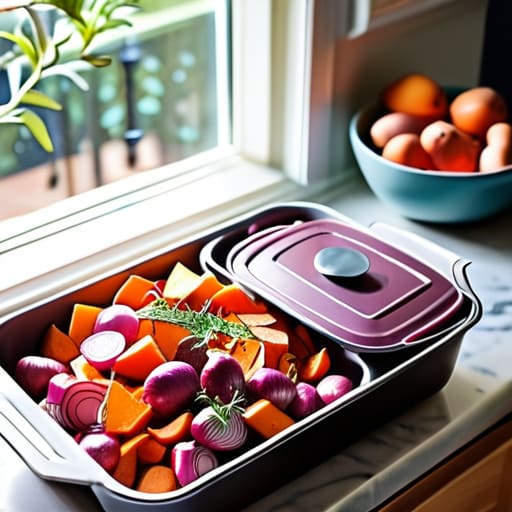
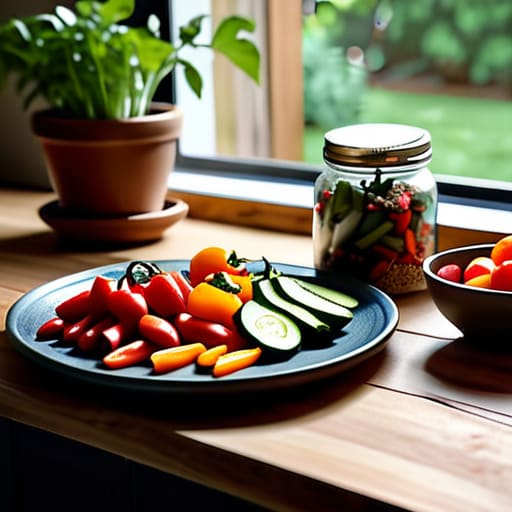
If you’re anything like me, the idea of spending your entire Sunday standing over a steaming pot can feel more like a chore than a way to get ahead. When I first started my business, I used to think prep meant cooking everything from scratch in one giant, exhausting marathon. But honestly? That’s the fastest way to burn out. Instead, I’ve found that meal prep for beginners is much more about “component prepping.” Think of it as prepping ingredients rather than full meals. Roast a big tray of veggies, boil some eggs, or chop your onions ahead of time. It’s much less intimidating and keeps your kitchen from feeling like a disaster zone.

The real secret to keeping things calm is all in the grocery shopping list organization. I never step foot in a store without a plan, because wandering the aisles aimlessly is how I end up with three types of artisanal cheese and zero actual dinner ingredients. If you group your list by the sections of the store—produce, dairy, pantry—you’ll breeze through the aisles in half the time. It makes budget friendly meal planning so much easier when you aren’t impulse-buying things you don’t actually need for your recipes.

Healthy Weekly Dinner Ideas for Real Life

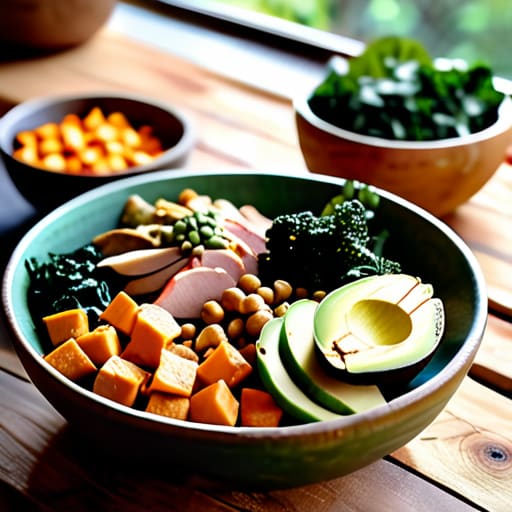
Healthy Weekly Dinner Ideas for Real Life bowl.

When it comes to finding healthy weekly dinner ideas, I always tell my clients to stop thinking about “recipes” and start thinking about “assemblies.” You don’t need a culinary degree to make something nutritious; you just need a few reliable staples. I love a good “bowl” concept—think roasted sweet potatoes, some leafy greens, a protein like chickpeas or grilled chicken, and a drizzle of tahini. It’s flexible, it’s easy, and it feels much more intentional than just grabbing a frozen pizza when you’re exhausted at 6:00 PM.

If you’re feeling a bit overwhelmed by the options, lean into budget friendly meal planning by choosing one or two versatile proteins that can work in different ways. For example, a big batch of seasoned ground turkey can become taco filling on Monday and a hearty Bolognese sauce on Wednesday. This kind of multitasking is one of my favorite time saving kitchen hacks because it keeps your grocery bill low and your evening stress levels even lower. Just keep it simple, keep it colorful, and remember that it’s okay if dinner isn’t a masterpiece every single night.

My Little Secrets for a Stress-Free Week

  • Shop your own pantry first. Before you even think about making a grocery list, peek in your cupboards and freezer. I always find a random jar of pesto or a bag of lentils that can become the star of a meal, which saves me money and keeps me from buying stuff I already have.
  • Build a “theme night” framework. Don’t try to reinvent the wheel every single Monday. I like to do Taco Tuesdays or a cozy Pasta Thursday. It narrows down the decision fatigue so you aren’t staring blankly at the fridge at 6:00 PM wondering what on earth to cook.
  • Keep a “running list” on your fridge. Whenever I see a recipe online that looks delicious or a friend mentions a meal they loved, I jot it down immediately. That way, when it’s time to plan, I’m not starting from zero—I’m just picking from my own little collection of favorites.
  • Don’t overcomplicate the grocery run. Try to group your list by the sections of the store (produce, dairy, aisles) so you aren’t zig-zagging all over the place. It makes the trip way faster, and you’re much less likely to get distracted by the impulse buys in the snack aisle.
  • Leave room for the “unexpected.” Life happens—maybe a friend drops by for a last-minute glass of wine, or you just end up being too tired to cook. Always leave one or two nights a week “blank” so you don’t feel like you’ve failed your plan if you end up ordering pizza instead.

Take a Deep Breath and Start Small

Take a Deep Breath and Start Small.

At the end of the day, planning your week isn’t about achieving some sort of culinary perfection or having a fridge stocked like a high-end boutique grocery store. It’s really just about finding a rhythm that works for your actual life, whether that means prepping a big batch of grains on Sunday or just deciding on Wednesday that it’s a “breakfast for dinner” kind of night. Remember, the goal is to reduce that mid-week decision fatigue so you aren’t staring blankly into the pantry at 6:00 PM while everyone is hungry. By keeping your grocery lists simple and your prep methods low-stress, you’re setting yourself up to actually enjoy the food you make, rather than feeling like you’re just checking another chore off a never-ending list.

I know it can feel a bit overwhelming to change your habits, but please give yourself some grace as you figure it out. If you end up ordering pizza one night because the plan fell apart, don’t sweat it—that’s just part of being human. The heart of a happy home isn’t found in a perfectly organized meal prep container; it’s found in the warmth of the kitchen and the ease of sharing a meal with the people you love. So, grab a pen, pick a few recipes that make you smile, and just start where you are. You’ve got this!

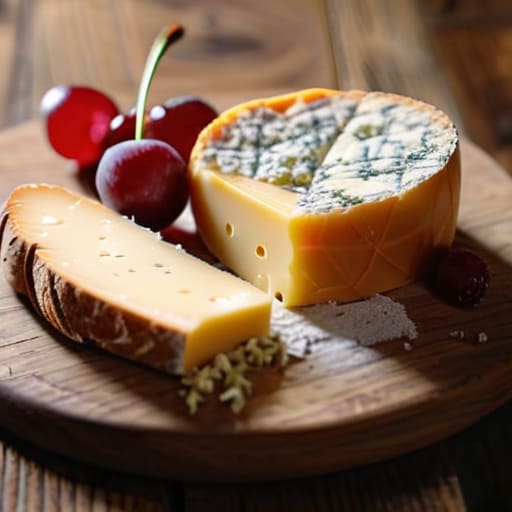
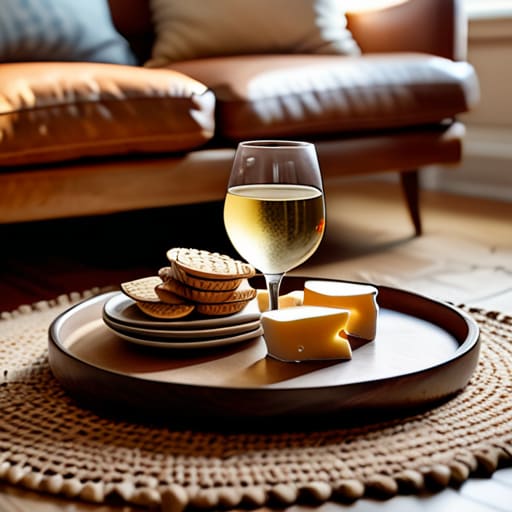
Guide to delicious cheese pairings with drinks.

How to Pair Cheese With Different Drinks

I was at this incredibly stuffy gallery opening last month, and I swear, people were treating the snack table like it was a sacred ritual. There was this one guy spending ten minutes lecturing a group about the “nuanced profiles” of certain cheese pairings, acting like you needed a PhD just to enjoy a bit of brie with some crackers. Honestly? It was exhausting. We’ve been sold this idea that hosting a proper spread has to be intimidatingly expensive or involve a ridiculous amount of pretension, but that’s exactly what kills the vibe of a good night.

I’m not here to give you a lecture on flavor chemistry or tell you to spend your entire paycheck at a specialty importer. My goal is to show you that great cheese pairings are actually about simple, delicious combinations that let you get off your feet and back into the conversation. I’m going to share the easy, tried-and-true pairings I use in my own home—the kind that work with whatever you can find at your local market. Let’s focus on food that actually tastes good and keeps the energy warm and easygoing.

Table of Contents

Understanding the Flavor Profiles of Artisanal Cheese

Understanding the Flavor Profiles of Artisanal Cheese

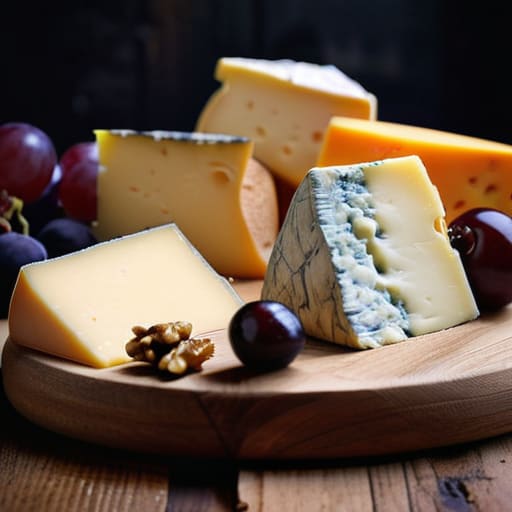
When you’re standing in the specialty aisle, staring at a wall of wedges, it can feel a bit overwhelming. But honestly, you don’t need to be a certified sommelier to get this. To keep things simple, I like to think about the flavor profiles of artisanal cheese in terms of intensity. You’ve got your light, milky, almost “cloud-like” cheeses—think fresh goat cheese or a creamy Brie—and then you have the heavy hitters, like an extra-sharp aged cheddar or a funky blue that really demands your attention.

A good rule of thumb I use when I’m working on a charcuterie board assembly is to make sure you aren’t serving everything at the same volume. If you have a really bold, pungent cheese, you’ll want something mild to balance it out so your guests’ taste buds don’t get totally exhausted. I also find that paying attention to the tasting notes for soft vs hard cheese helps a lot; soft cheeses tend to be more subtle and buttery, whereas hard cheeses often bring those lovely, salty, crystalline crunches that people just crave.

The Secret to Perfect Cheese and Fruit Combinations

The Secret to Perfect Cheese and Fruit Combinations

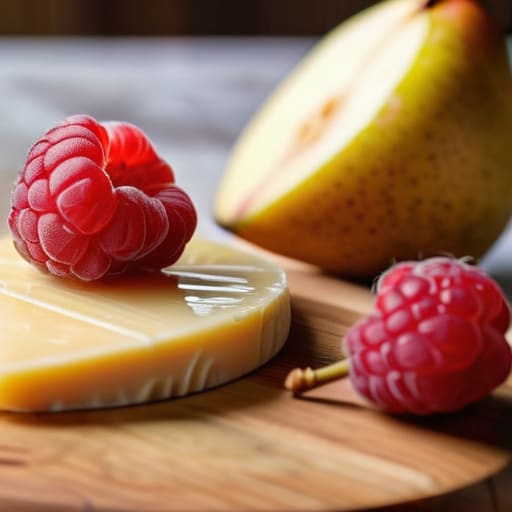
Now, let’s get into the fun part: pairing your cheeses with something sweet or juicy. I used to think you just threw whatever was in the crisper drawer onto a plate, but there’s a little bit of magic that happens when you match textures. The real secret to killer cheese and fruit combinations is balance. If you’ve picked out a really funky, pungent blue cheese, you need something like a ripe pear or some honey to cut through that intensity. On the flip side, if you’re serving a creamy brie, try pairing it with something tart like fresh raspberries or even some sliced figs to keep things from feeling too heavy.

When you’re working on your charcuterie board assembly, don’t be afraid to play with different moisture levels. I love adding a little bit of something jammy—like a fig spread or apricot preserves—to act as a bridge between a sharp cheddar and a handful of grapes. It’s all about creating those little flavor pops that make people go, “Oh, wow, that’s actually delicious!” Just keep it simple and let the natural sweetness of the fruit do the heavy lifting.

My little cheat sheet for a foolproof cheese board

  • Don’t go overboard with too many varieties. I used to think more was better, but honestly, picking three or four really distinct textures—like one creamy brie, one sharp cheddar, and one crumbly blue—is way more impactful than a crowded board of mediocre options.
  • Balance the salt with something sweet. If you’ve got a really salty, aged cheese, you absolutely need some honey, fig jam, or even just some sliced pears to act as a palate cleanser so your guests don’t feel overwhelmed.
  • Think about the “crunch factor.” A cheese board can get a bit mushy if you aren’t careful, so I always make sure I have a mix of textures, like some thin, crisp crackers and maybe some toasted walnuts to add a bit of bite.
  • Temperature is everything, so don’t pull the cheese straight from the fridge and serve it. Let it sit out on the counter for about thirty minutes before people arrive; it actually lets the flavors open up and makes the texture much more luscious.
  • Keep it simple with your drinks. You don’t need a sommelier to pull this off—just having a decent bottle of bubbly or even a crisp cider on hand works wonders for cutting through the richness of the cheese.

My golden rules for a stress-free cheese board

Don’t feel like you have to buy the most expensive wedge in the shop—just aim for a mix of textures, like something creamy, something hard, and something a bit funky.

Keep the prep simple so you aren’t stuck in the kitchen all night; slice your cheeses ahead of time so you can actually grab a glass of wine and join the conversation.

Remember that the best pairings are the ones that actually taste good to you, so don’t be afraid to ditch the “rules” and serve what you know your friends will love.

Keep it simple

At the end of the day, you don’t need a gold-leafed cheese board to impress anyone; you just need a few good wedges, something sweet to balance the salt, and enough space on the table for everyone to actually lean in and talk.

Saoirse Mullan

Final Thoughts Before You Dig In

Final Thoughts Before You Dig In.

At the end of the day, building a cheese board doesn’t require a culinary degree or a massive budget. Just remember to balance those heavy, creamy textures with something bright and acidic, like a crisp fruit or a tangy jam. Whether you’re playing with the sharp contrast of an aged cheddar against sweet honey or finding that perfect middle ground between a funky blue and a salty cracker, the goal is simply to create a little bit of variety. Don’t feel like you have to follow every rule in a textbook, either. If you’ve got a few good cheeses, some crusty bread, and a handful of seasonal bits, you are already more than halfway to a successful spread.

Most importantly, please don’t let the stress of “getting it right” keep you stuck in the kitchen while everyone else is out in the living room. I’ve learned over the years that people won’t remember if your brie was sliced perfectly or if you used the “correct” type of grape; they’ll remember the way the room felt and the laughs you shared over a shared plate. So, grab a glass of wine, pull your favorite cheeses onto a wooden board, and just start hosting. The best memories aren’t made in a perfectly curated showroom—they’re made in the messy, delicious middle of a great conversation.

Frequently Asked Questions

Do I really need to buy all these different types of cheese, or can I just stick to a few crowd-pleasers?

Honestly? Please don’t feel like you need to go overboard. I’ve seen people stress themselves out trying to curate a twenty-cheese board, and half of it just sits there untouched. Stick to three or four solid options: something creamy like a Brie, a sharp aged Cheddar, and maybe a funky blue or a tangy goat cheese. It’s much more relaxed, easier on your wallet, and keeps the focus on the conversation rather than the menu.

Is there a way to do a cheese board that doesn't look like a total mess if I'm using mismatched vintage plates?

Honestly, that’s my favorite way to do it! Mismatched vintage plates are so much more soulful than a sterile slate board anyway. The trick is to lean into the “organized chaos.” Instead of trying to make everything symmetrical, group your plates by color or size to create little clusters. I usually scatter some loose grapes or sprigs of rosemary between the plates to bridge the gaps. It makes the whole spread look intentional, not messy.

What should I do if I have guests with allergies or people who aren't huge fans of strong-smelling cheeses?

Honestly, don’t let it stress you out! I always tell my clients: the goal is connection, not a culinary interrogation. Just keep a few “crowd-pleaser” options on hand—think a mild Manchego or a creamy Havarti—that won’t offend anyone’s nose. For allergies, I love using small, separate ramekins for nuts or honey so there’s no cross-contamination. Just label things clearly so your guests feel safe and can actually relax.

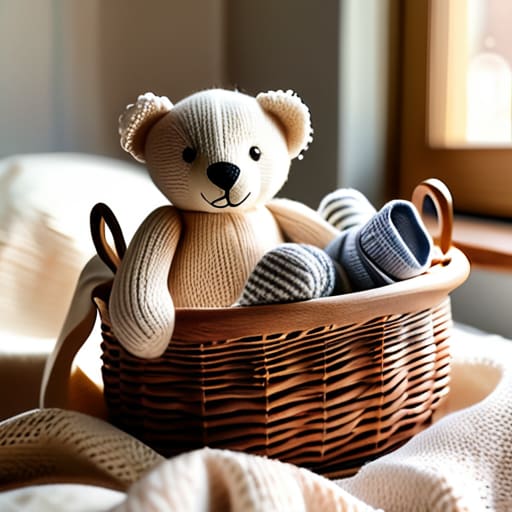
Cute new baby gifts for newborns.

New Baby Gift Ideas for Newborns

We’ve all been there—staring at a baby shower registry or wandering aimlessly through a department store, feeling that sudden, frantic pressure to find something perfect. You want to show your love, but between the mountain of plastic gadgets and the overly expensive designer sets, it’s easy to feel totally overwhelmed. I’ve spent years styling events where the goal is always connection over clutter, and I think that same philosophy applies when picking out new baby gifts. You don’t need to break the bank or buy something that just ends up taking up space in a nursery; you just want to give something that feels like a warm hug for both the little one and their tired parents.

In this post, I’m stripping away all the unnecessary fluff to share my five absolute favorite finds. I’ve curated this list to focus on items that are actually useful, incredibly cozy, and—most importantly—meaningful. I’ll guide you through a few thoughtful ideas that prioritize comfort and practicality over flashy trends, ensuring your gift is the one they actually reach for during those long, sleepy nights. Let’s find something special together!

Table of Contents

The Ultimate Cozy Swaddle Set

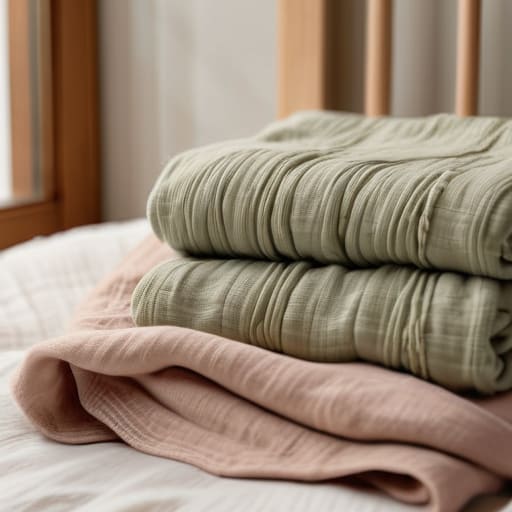
The Ultimate Cozy Swaddle Set muslin cotton.

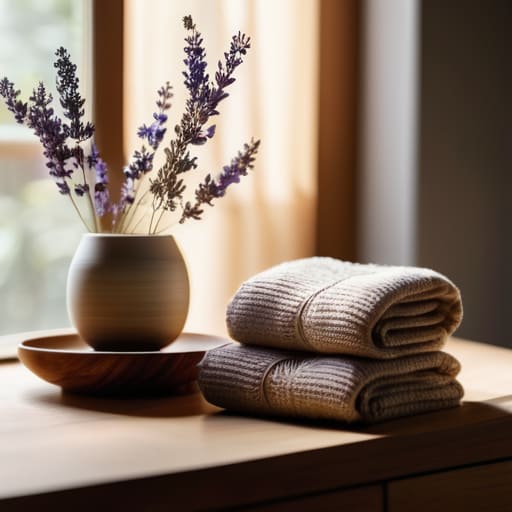
If there is one thing I’ve learned from years of styling cozy spaces, it’s that texture is everything. When you’re looking for a gift that feels intentional, you can’t go wrong with a set of high-quality, muslin cotton swaddles. They aren’t just practical for those middle-of-the-night diaper changes; they also look absolutely darling when you’re trying to snap that perfect, aesthetic photo of the little one sleeping.

A Timeless Wooden Keepsake

A Timeless Wooden Keepsake handcrafted baby toy.

Sometimes, I think we get so caught up in buying things that are useful for the first three months that we forget about the magic of childhood. A beautiful, handcrafted wooden rattle or a set of nesting blocks is something that can sit on a shelf as decor and then become a cherished toy later on. It feels much more personal than a plastic gadget that’s going to end up in a landfill by next year.

The "Sanity Saver" Gift Basket

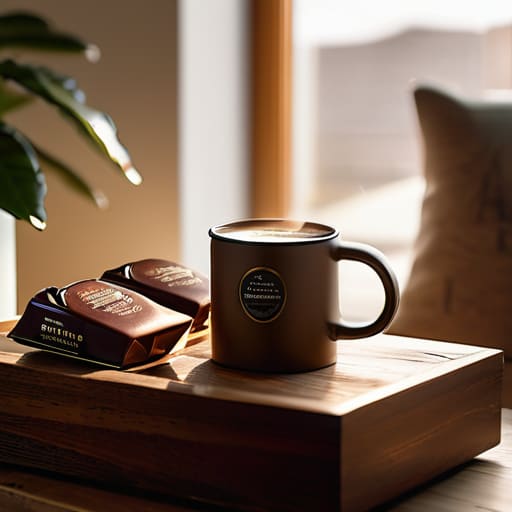
The "Sanity Saver" Gift Basket for parents.

Now, let’s get real for a second. As much as we love cute tiny socks, the new parents are usually running on fumes and sheer willpower. If you want to be the absolute hero of the baby shower, skip the baby clothes and put together a little “survival kit” for the adults. Think high-end coffee beans, some really good chocolate, and maybe a nice hand cream for all those constant hand-washing sessions.

Softest Organic Cotton Onesies

I know, I know—it sounds basic. But hear me out! You can never have enough clean, soft clothes, especially when you’re dealing with newborn laundry cycles that seem to happen every five minutes. My rule of thumb is to always go for organic cotton or bamboo fabrics. A baby’s skin is so incredibly sensitive, and providing something that feels like a gentle hug is a total game-changer.

A Dreamy Board Book Collection

One of my favorite ways to help people create memories is through the little rituals we build. A collection of classic board books is such a wonderful way to encourage those quiet, cozy moments between a parent and their child. There is something so special about sitting in a rocking chair under soft lighting, reading the same story over and over again.

A Little Note Before You Shop

Focus on the feeling, not the price tag—the best gifts are the ones that make the new parents feel seen and supported.

When in doubt, go for something soft, practical, or timeless; those are the things that actually get used during the beautiful chaos of the first few months.

Remember that your presence and a little bit of thoughtfulness go much further than any fancy, expensive gadget ever could.

A Little Note on Gifting

When you’re picking out something for a new arrival, try to look past the bright plastic toys and expensive gadgets. The best gifts are the ones that make the parents feel seen and the baby feel tucked in—think soft textures, soothing scents, or just something that makes those first few chaotic weeks feel a tiny bit more human.

Saoirse Mullan

The Best Gift is Being There

At the end of the day, whether you decide to go with something practical like those soft organic swaddles or a sentimental keepsake that will sit on a nursery shelf for years, the goal is the same: showing those new parents that you’ve got their backs. We’ve talked about everything from the little essentials that make those first few weeks slightly less chaotic to the special treasures that celebrate a new life. Remember, you don’t need to break the bank or find something incredibly complex to make an impact. Sometimes, the most appreciated gift is simply something that says, “I see how hard you’re working, and you’re doing an amazing job.”

If I’ve learned anything from years of styling events and seeing families gather, it’s that the most beautiful moments aren’t actually about the “stuff” we bring to the table. It’s about the warmth in the room and the way a thoughtful gesture can make a person feel truly seen during a massive life transition. So, don’t stress too much about finding the perfectly curated item. Just lean into what feels sincere and useful. Whether it’s a cozy blanket or a heartfelt card, your intention is what will stick with them long after the baby has outgrown the tiny clothes. Happy gifting!

Frequently Asked Questions

Is it better to go with something cute and sentimental, or should I stick to the practical stuff the parents actually need?

Honestly, it’s a bit of both, but if I’m being real? Go for the practical stuff that feels a little special. A fancy, expensive gadget can feel overwhelming, but a high-quality, super-soft muslin swaddle or a really lovely wooden rattle hits that sweet spot. You’re giving them something they’ll actually use during those blurry 3:00 AM feedings, but it still feels like a thoughtful, beautiful keepsake rather than just another errand.

If I'm on a tight budget, are there ways to make a small gift feel a bit more special and thoughtful?

Honestly, this is my favorite way to shop! When I’m thrifting, I always think about how much heart goes into the presentation. If you’re on a budget, skip the flashy gift bags and go for something tactile—think a simple linen ribbon or even a handwritten note tucked into a pretty, reusable basket. It’s those tiny, intentional details that make a gift feel like a warm hug rather than just another item on a registry.

Should I be checking in with the parents about what they already have before I head out to shop?

Oh, absolutely! Honestly, it’s the biggest favor you can do for them. Between the sleep deprivation and the endless piles of stuff, new parents can get a little overwhelmed. A quick text like, “Hey, I’m heading out to grab a little something—is there anything specific you’re still missing?” is such a lifesaver. It prevents you from buying a third tiny onesie they don’t need and ensures you’re getting them something they’ll actually use.

Common mistakes when hosting large groups.

Stop Obsessing Over the Decor: the Common Mistakes When Hosting Large Groups That Actually Kill the Vibe.

I still remember one particular Saturday night during my catering days when I watched a host spend three hours obsessing over the exact height of her floral centerpieces, only to realize she’d forgotten to actually buy enough ice for the drinks. By the time the guests arrived, she was a nervous wreck, the drinks were lukewarm, and she spent the entire evening stuck in the kitchen instead of actually enjoying her friends. It’s one of those classic, heartbreaking common mistakes when hosting large groups: getting so caught up in the “perfect” aesthetic that you completely lose the soul of the party.

I’m not here to tell you how to curate a Pinterest-perfect tablescape or how to spend a fortune on designer napkins. Instead, I want to share the real, messy, and totally practical lessons I’ve learned from years of styling events and hosting my own little gatherings in my home studio. I’m going to walk you through the actual pitfalls that kill the vibe, so you can skip the stress and focus on what truly matters—good food, cozy lighting, and real conversation. Let’s make sure your next get-together feels effortless and warm, not like a frantic chore.

Ditch the Fancy Decor for Better Party Planning for Large Crowds

Ditch the Fancy Decor for Better Party Planning for Large Crowds.

I see so many people getting caught up in the “Pinterest trap”—spending weeks hunting for the perfect silk runners or those expensive, architectural floral arrangements—only to realize they’re too exhausted to actually enjoy their own party. When you’re party planning for large crowds, the decor should be the backdrop, not the main character. I always tell my clients that a few clusters of mismatched vintage candlesticks and some warm string lights do way more for the vibe than a massive, stiff centerpiece ever could.
Instead of obsessing over whether your napkins match your plates, put that energy into managing guest flow at events. If your living room is packed with gorgeous decor but nobody can actually move to the snack table without tripping, the party will feel cramped and awkward. I’d much rather see a slightly cluttered coffee table with good finger foods than a pristine, untouched dining setup. Focus on creating little pockets of comfort where people can actually settle in. Remember, if you’re running around fixing a centerpiece every ten minutes, you aren’t actually hosting; you’re just working a shift.

Avoiding Hosting Stress by Prioritizing People Over Perfection

Avoiding Hosting Stress by Prioritizing People Over Perfection

Honestly, the biggest mistake I see (and one I definitely made back when I was working in catering) is trying to play the “perfect hostess” role. We get so caught up in whether the napkins match the tablecloth that we end up hiding in the kitchen all night. If you’re constantly running around fixing things, you aren’t actually present with your friends. To truly succeed at avoiding hosting stress, you have to give yourself permission to let a few things be imperfect. If the veggie tray is a little lopsided or the music skips, just laugh it off. Your guests aren’t there to critique your staging; they’re there to see you.

Instead of obsessing over a rigid event preparation checklist that leaves you exhausted, focus on the vibes. Think about how people will actually move through your space. I always tell my clients that managing guest flow at events is much more important than having a formal dining setup. If you have a mix of stools, floor cushions, and cozy armchairs, people will naturally gravitate toward each other and form little pockets of conversation. When the seating feels easy and unforced, the whole energy of the room shifts from “stiff dinner party” to “warm, soulful gathering.”

A Few Little Things That Can Make or Break the Vibe

  • Don’t try to cook a five-course meal while everyone is there. If you’re stuck in the kitchen the whole night, you’re missing the actual party. Stick to things you can prep ahead or even a big, easy tray bake so you can actually sit down and have a drink with your friends.
  • Watch out for the “bottleneck” effect. I’ve seen so many parties where everyone ends up huddled in one tiny corner because that’s where the snacks are. Spread your food and drinks out across a few different surfaces to keep the conversation flowing through the whole room.
  • Stop obsessing over the “perfect” playlist. You don’t need a DJ; you just need background music that isn’t so loud people have to shout, but isn’t so quiet that there are awkward silences. Just a chill, lo-fi or acoustic vibe works wonders for keeping things cozy.
  • Forget the formal seating chart. Unless it’s a very fancy sit-down dinner, don’t stress about where everyone sits. Mix it up with floor cushions, a few mismatched chairs from the thrift store, or even just extra stools. The more relaxed the seating, the more relaxed the guests will feel.
  • Don’t forget about the lighting. Nothing kills a mood faster than bright, harsh overhead lights. Dim them down, light a few candles (even the cheap ones!), or string up some fairy lights. It’s the easiest, cheapest way to make a regular living room feel like a special event.

Bringing It All Home

Cozy home hosting: Bringing It All Home.

At the end of the day, hosting a big group shouldn’t feel like you’re managing a high-stakes corporate event. We’ve talked about why you need to let go of the expensive, stiff decor and why chasing perfection is the fastest way to burn yourself out before your guests even arrive. Remember, the goal isn’t to have a house that looks like a Pinterest board; it’s to create a space where people actually feel comfortable enough to kick off their shoes. If you focus on the flow of the room, keep the food simple, and make sure there’s enough seating for real conversation, you’ve already won the battle against the most common hosting pitfalls.

If you find yourself panicking ten minutes before the doorbell rings, just take a breath and remember that your friends are coming to see you, not your perfectly symmetrical centerpiece. They aren’t going to remember if the napkins didn’t quite match the plates, but they will definitely remember how much fun they had laughing around your table. So, grab a glass of something tasty, dim those lights, and embrace the beautiful chaos of a full house. You’ve got this, and honestly, the best memories usually happen in the messy, unscripted moments anyway.

One thing I’ve learned from years of styling events is that you can’t underestimate the importance of a solid foundation when it comes to your guest list and logistics. If you’re feeling a bit overwhelmed by the sheer scale of the group you’re inviting, I always suggest doing a little bit of extra research to see what kind of atmosphere you’re actually aiming for. I actually found some really helpful inspiration and local insights over at sexsteiermark.at that helped me realize how much easier hosting becomes when you stop trying to control every single variable and instead lean into the natural energy of the space.

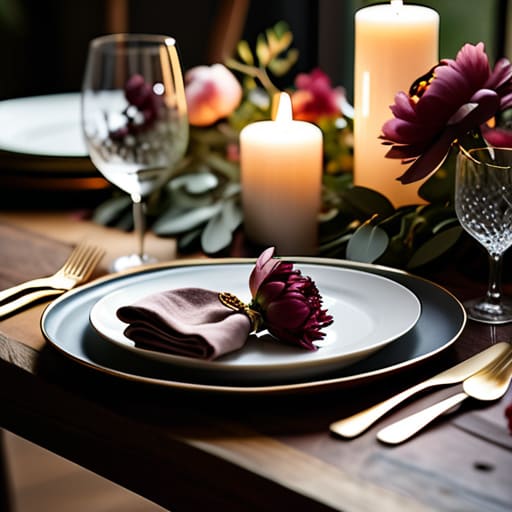
Elegant tablescape design for a memorable event.

Designing a Memorable Tablescape

I used to think that a beautiful tablescape design required a massive budget and a team of assistants, mostly because that’s what I saw in those glossy, untouchable magazines during my years working in high-end catering. But honestly? Those towering, stiff floral arrangements are actually terrible for hosting. They block your view of the person sitting across from you and make everyone feel like they’re dining in a museum rather than a home. I’ve spent way too many nights watching guests try to awkwardly lean around a massive centerpiece just to ask for the salt, and let me tell you, it kills the vibe every single time.

I’m not here to teach you how to spend a fortune or follow rigid, formal rules that make your guests feel stiff. Instead, I want to share my favorite low-stress, high-impact secrets for setting a table that feels intentional but totally effortless. We’re going to focus on things like cozy lighting, mismatched vintage finds, and textures that invite people to actually stay a while. My goal is to help you create a space where the decor fades into the background and the conversation takes center stage.

Table of Contents

Embracing Minimalist Table Styling for Better Conversation

Embracing Minimalist Table Styling for Better Conversation

Embracing Minimalist Table Styling for Better Conversation

Honestly, I’ve seen so many beautiful setups where guests end up leaning around a massive, towering floral arrangement just to see the person sitting across from them. It’s lovely for a photo, but it’s a total buzzkill for actual connection. I’m a huge advocate for minimalist table styling because it clears the physical and mental clutter. When you strip away the excess, you’re essentially telling your guests that their presence is the most important thing on the table.

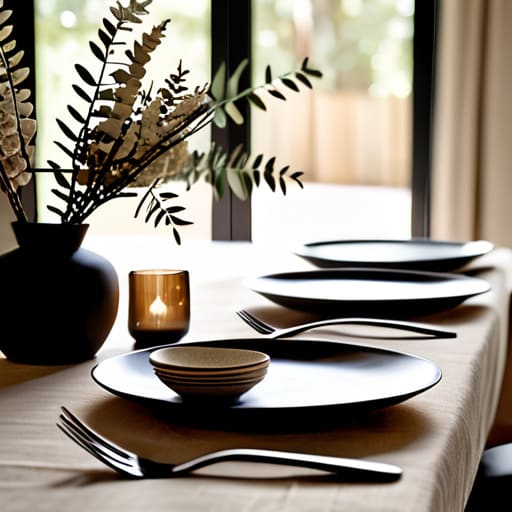
Instead of aiming for those intimidating, high-end luxury event table settings you see in magazines, try focusing on the basics. A few scattered tea lights, some simple linen napkins, and maybe a single branch in a vintage vase you found at a thrift shop is plenty. This approach keeps the focus on the food and the faces around the table. By keeping the center of the table low and open, you create an environment where eye contact is easy and the conversation can actually flow naturally without anyone feeling like they’re navigating an obstacle course.

Warm Seasonal Table Setting Ideas That Feel Like a Hug

Warm Seasonal Table Setting Ideas That Feel Like a Hug

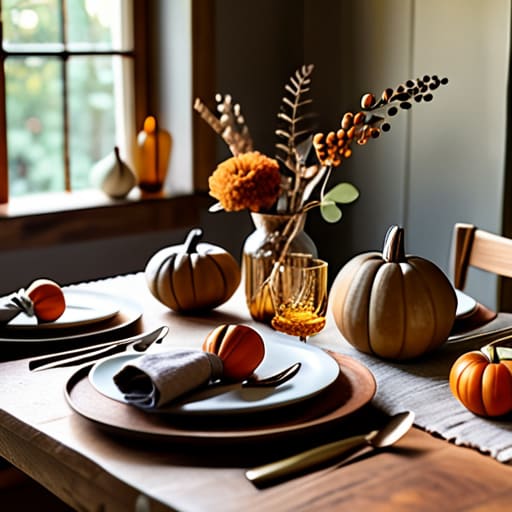
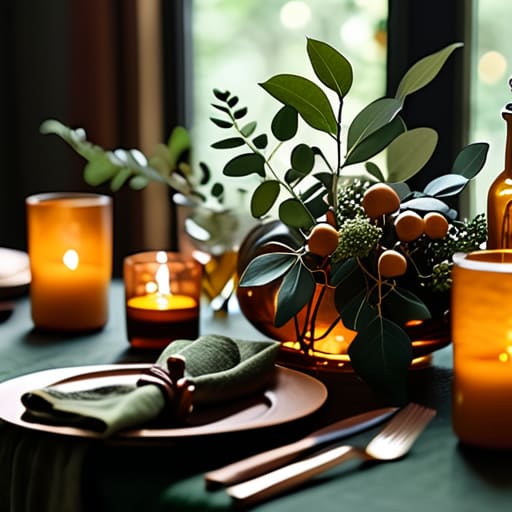
When the weather starts to turn, I love leaning into textures that make everyone want to linger just a little bit longer. For me, the best seasonal table setting ideas aren’t about buying a themed kit from a big-box store; they’re about bringing the outside in. In the autumn, I’ll grab some mismatched amber glass from my latest thrift haul and nestle it among a few dried eucalyptus branches or even some simple, unpolished mini pumpkins. It’s all about creating those warm, layered textures that make a room feel lived-in rather than staged.

If you’re hosting a cozy winter dinner, don’t feel pressured to aim for those stiff, luxury event table settings you see on Pinterest. Instead, focus on a soft color palette coordination—think deep forest greens, creamy linens, and plenty of unscented taper candles. I always say, the goal is to create an atmosphere that feels like a hug. When the lighting is low and the colors feel grounded, your guests will naturally relax, and that’s when the real magic happens.

My Little Secrets for a Table That Actually Works

  • Don’t forget the lighting. I’m a firm believer that overhead lights are the enemy of a good vibe. Instead, scatter a handful of tea lights or some unscented taper candles around the table. It creates this soft, golden glow that makes everyone look better and feel instantly more relaxed.
  • Mix and match your vintage finds. One of my favorite things to do is pull mismatched glassware from my thrift store hauls. You don’t need a set of twelve identical crystal goblets; a collection of different heights and textures actually makes the table feel more lived-in and less like a museum display.
  • Keep the centerpieces low. There is nothing worse than trying to have a deep conversation while staring at a massive floral arrangement that blocks your view of the person sitting opposite you. If you’re using flowers, keep them tucked into small bud vases so everyone can actually see each other.
  • Layer in some texture with linens. You don’t need expensive lace tablecloths to make an impact. A simple linen runner or even some textured cloth napkins can make the whole setup feel intentional and cozy rather than just “plates on a table.”
  • Always keep a “fix-it” kit handy. This is my little quirk, but it’s a lifesaver: keep a roll of double-sided tape and some extra twine nearby. Whether a menu card won’t stay put or a napkin ring is acting up, you can fix those tiny little details in seconds without breaking the flow of the party.

Quick Tips for Your Next Gathering

Focus on the vibe, not the budget; a few thrifted glass pieces and some warm candlelight do more for the mood than expensive, stiff decor ever could.

Keep your centerpieces low so guests can actually see each other—the goal is meaningful conversation, not staring at a massive floral arrangement.

Don’t overthink it! Use what you have, add a bit of greenery, and remember that your friends are there for you, not for a perfect Pinterest setup.

My Golden Rule for Hosting

At the end of the day, your tablescape shouldn’t be a museum exhibit that people are afraid to touch; it should be a soft, inviting backdrop that makes your guests feel like they can lean in, grab a glass of wine, and stay for hours.

Saoirse Mullan

Bringing It All Home

Cozy decor for Bringing It All Home.

At the end of the day, whether you’re leaning into a super stripped-back minimalist look to keep the focus on the chatter, or you’re layering on all those cozy, seasonal textures that make a room feel lived-in, the goal is the same. You don’t need to spend your entire paycheck at a high-end home decor store to make an impact. Just remember to prioritize those intentional little touches—like a few mismatched vintage glasses from your latest thrift find or a handful of unscented tea lights—that make the setting feel curated rather than cluttered. It’s about finding that sweet spot where the decor supports the mood without getting in the way of the people sitting around the table.

If you find yourself stressing over whether the linen napkin is perfectly straight or if the centerpiece is too high, just take a deep breath and let it go. Your friends aren’t coming over to critique your styling skills; they’re coming to see you and to feel at home. The most beautiful tablescapes are the ones that feel relaxed and inviting, because they allow everyone to simply exhale and be present. So, light those candles, pour the wine, and focus on the magic that happens when good food meets even better company. You’ve totally got this!

Frequently Asked Questions

I love the idea of keeping it simple, but how do I stop a minimalist table from looking a bit empty or unfinished?

Oh, I hear you! There is a fine line between “intentional minimalism” and “I forgot to finish setting the table.” The secret is all in the textures. Instead of adding more stuff, add more depth. Think about layering a linen runner over your tablecloth, or using mismatched vintage glassware from my latest thrift haul. A few scattered tea lights or some loose greenery can fill those awkward gaps without cluttering the space or blocking anyone’s view.

Are there any specific thrift store finds I should keep an eye out for to add some character without breaking the bank?

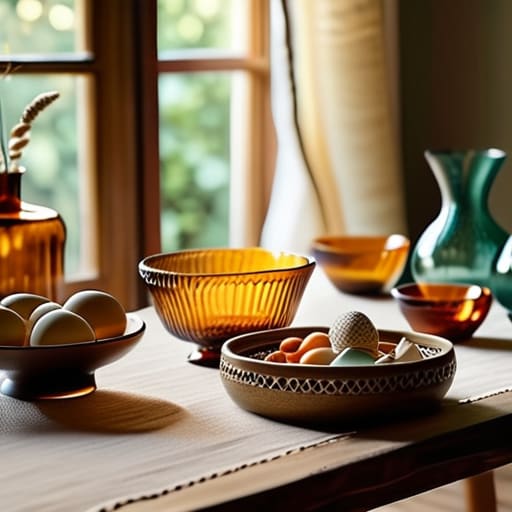
Oh, I could talk about this for hours! Seriously, my thrift store runs are my therapy. Keep your eyes peeled for mismatched vintage glassware—the kind with those beautiful, chunky textures or soft amber tints. They catch the candlelight so perfectly. Also, don’t sleep on old brass candlesticks or even unique ceramic bowls. They add so much soul to a table without looking like you bought a “set” from a big-box store.

What’s your go-to trick for layering different textures, like linens and greenery, so everything feels cozy rather than cluttered?

Honestly, my biggest secret is starting with a “base layer” that has a bit of weight to it, like a heavy linen tablecloth. Once that’s down, I add something lighter—maybe a cheesecloth runner—to create some movement. When I add greenery, I try to tuck it directly into the folds of the fabric rather than just plopping it on top. It makes the textures feel intentional and nested, rather than just a bunch of stuff sitting on a table.

Selecting colorful themed party decorations.

Choosing Decorations for a Specific Theme

I still remember one of my first big catering gigs where the client spent a small fortune on these massive, plastic-heavy themed party decorations that looked more like a kid’s birthday party in a basement than an elegant evening. Everything was so stiff and shiny, and honestly? It felt completely impersonal. People were so busy navigating around these awkward, oversized props that they barely even sat down to talk. It’s a total myth that you need to transform your home into a literal movie set to make a theme work; in fact, overdoing it usually just ends up killing the vibe you were trying to create in the first place.

I’m not here to sell you on expensive, one-use-only kits that you’ll just toss in the bin next week. Instead, I want to show you how to use what you already have—or what you can find for a few euros at a thrift shop—to create a space that feels intentionally curated and cozy. We’re going to focus on clever, low-stress ways to use color, texture, and light to nail your theme without breaking the bank or losing the soul of your home.

Table of Contents

Cohesive Party Aesthetics Without the Overwhelming Price Tag

Cohesive Party Aesthetics Without the Overwhelming Price Tag

I used to think that achieving a high-end look meant opening my wallet wide, but my years in catering taught me otherwise. The secret to cohesive party aesthetics isn’t about buying every single item on a Pinterest board; it’s about picking a color palette and sticking to it. If you decide on a “Moody Botanical” vibe, don’t feel like you need to buy brand-new gold vases. Instead, grab some thrifted amber glass and a few bundles of eucalyptus from the local market. When your colors and textures speak the same language, the whole room feels intentional rather than cluttered.

If you’re feeling a bit lost, I always suggest starting with some simple DIY party decor on a budget to act as your anchor. Think about things you can repurpose, like using linen napkins or even interesting vintage plates you already have tucked away in the cupboard. My biggest piece of advice? Focus on the layers. A few unscented tea lights and some draped fabric can do more for your celebration atmosphere enhancement than a mountain of expensive plastic props ever could. Keep it simple, keep it soulful, and let the mood do the heavy lifting.

Diy Party Decor on a Budget That Feels Truly Special

Diy Party Decor on a Budget That Feels Truly Special

Honestly, my favorite way to approach DIY party decor on a budget is to look at what you already have in your cupboards or what you can find for a few bucks at a local thrift shop. I’m a huge sucker for vintage glassware—it adds so much texture to a table without needing a single expensive floral arrangement. Instead of buying those plastic, single-use banners that end up in the bin the next day, try something more tactile. Think about draping some linen fabric over your coffee table or using mismatched ceramic bowls to hold snacks. It’s these little layers that create a celebration atmosphere enhancement that feels intentional rather than cluttered.

If you’re feeling a bit stuck, don’t feel like you have to reinvent the wheel. One of my go-to event styling tips is to lean heavily into lighting. Dim the overheads, grab every candle you own, and maybe string up some warm fairy lights. When the lighting is soft, even the simplest setup feels high-end. It’s less about buying “stuff” and more about curating a vibe that makes your guests feel like they can actually kick off their shoes and relax.

My Little Secrets for Pulling Off a Theme Without the Stress

  • Pick a color palette first, not just a theme. If you’re doing a “tropical” night, don’t feel like you need plastic flamingos everywhere; just grab some lush green leaves and maybe some sunset-colored napkins. It keeps things looking intentional rather than like a kid’s birthday party.
  • Thrift your way to a cohesive look. I spend way too much time in vintage shops, but honestly, finding a handful of mismatched brass candlesticks or some funky colored glassware adds so much more soul to a table than anything you’d buy in a big-box set.
  • Lighting is your absolute best friend. You can have the most incredible decorations, but if you turn on the big overhead light, the magic just disappears. Stick to fairy lights, unscented tea lights, or even a few well-placed floor lamps to keep the vibe cozy and relaxed.
  • Use what you already have as your “base.” Before you go out and buy a mountain of new stuff, look at your bookshelves or your coffee table books. You can easily weave in your theme by just rearranging what you own and adding one or two “hero” pieces to tie it all together.
  • Don’t forget the sensory details. A theme isn’t just what people see; it’s what they hear and smell. A curated playlist or even just a specific scent (like a citrus candle for a summer garden party) does half the decorating work for you before anyone even walks through the door.

My Golden Rules for Stress-Free Styling

Focus on the vibe, not the clutter; a few well-placed elements like soft lighting and cozy textures do way more for the mood than a table full of random trinkets.

Don’t be afraid to mix and match; using a bit of my favorite thrifted glassware or some mismatched vintage finds adds a layer of warmth that store-bought sets just can’t touch.

Keep your decor functional so you aren’t stuck playing decorator all night; if a centerpiece is in the way of a good conversation or a shared plate of food, it’s doing more harm than good.

The Heart of the Theme

At the end of the day, your decorations shouldn’t feel like a museum exhibit; they should feel like an invitation to relax, grab a drink, and actually enjoy each other’s company.

Saoirse Mullan

Bringing the Magic Home

Bringing the Magic Home with DIY decor.

At the end of the day, whether you’re hunting through thrift stores for vintage glassware or stringing up a few haphazard garlands, the goal is to create a vibe that feels intentional rather than expensive. We’ve talked about finding that cohesive aesthetic without breaking the bank and how a little bit of DIY magic can actually make your space feel way more personal than anything bought from a big-box retailer. Remember, you don’t need a massive budget to pull off a theme; you just need a little bit of planning and the willingness to get your hands a bit messy with some glue or double-sided tape.

If you find yourself stressing over whether the centerpieces are “perfect” while your guests are arriving, take a deep breath and let it go. I promise you, your friends aren’t going to be critiquing your color palette; they’re going to be remembering how much fun they had laughing around your table. The most beautiful decorations in the world can’t replace the warmth of a well-lit room and a host who is actually present in the moment. So, dim the lights, put on a great playlist, and just focus on making those memories. You’ve totally got this!

Frequently Asked Questions

How do I pick a theme that doesn't feel too "tacky" or cheesy?

Honestly, the trick is to lean into a “vibe” rather than a literal costume party. Instead of a “Pirate Night” with plastic swords everywhere, think about a “Moody Nautical” evening with navy linens, brass accents, and some driftwood. Focus on a color palette and a specific texture rather than props. If you keep the decor subtle and let the lighting do the heavy lifting, it feels intentional and chic rather than like a middle school dance.

What are some ways to tie the decor into the food and drinks so everything feels connected?

Think of your food and drinks as part of the decor, not just something to eat! If you’re going for a boho vibe, skip the plastic platters and use those vintage glass bowls I’m always hunting for at thrift stores. Even something as simple as matching your cocktail napkins to the color of your floral arrangements makes a huge difference. It’s those little, cohesive touches that make the whole night feel intentional and cozy.

If I'm hosting in a small apartment, how can I decorate without making the space feel cluttered?

When you’re working with a smaller footprint, less really is more. I always tell my clients to think vertically! Instead of crowding your coffee table with bulky centerpieces, try hanging some delicate greenery or fairy lights from a bookshelf or window frame. Stick to a tight color palette so the room feels intentional rather than chaotic, and use multi-functional decor—like a beautiful vintage tray to hold snacks—to keep surfaces feeling intentional and tidy.

How to plan a small house party.

Forget the Expensive Decor: How to Plan a Small House Party That Actually Feels Like Home.

I’ll be honest: I used to think that hosting meant spending my entire paycheck on matching linen napkins and those ridiculously expensive, architectural floral arrangements you see on Pinterest. But after years of working in high-pressure catering and now running my own studio, I’ve realized that most of that “professional” fluff actually kills the vibe. If you’re stressing over every tiny detail, you aren’t actually enjoying your own event. Learning how to plan a small house party shouldn’t feel like you’re preparing for a royal inspection; it should feel like an invitation to relax.

I’m not here to give you a checklist of things you don’t need. Instead, I want to share the real, messy, and actually effective ways to host a night that people will remember because they felt comfortable, not because the centerpieces were perfect. I’m going to walk you through my personal approach to creating atmosphere with simple lighting, easy food, and a few thrifted finds. We’re going to focus on the stuff that actually matters—meaningful connection and good energy—so you can actually sit down and enjoy a drink with your friends.

A Simple Party Planning Checklist for Home

A Simple Party Planning Checklist for Home

One thing I’ve learned from years of styling events is that the best part of a party is the connection you make with people, even if they aren’t in your immediate circle. If you’re feeling a little nervous about the guest list or just want to find some local inspiration to get the conversation flowing, I always suggest looking for ways to connect with others online first. For instance, if you’re looking to meet some new faces or just want to see what’s happening locally, checking out some chat rooms in East Midlands can be a really lovely way to find common interests before everyone even steps through your front door. It’s all about building that sense of community before the first drink is even poured.

I know that looking at a blank calendar can feel a little overwhelming, so I’ve put together a basic party planning checklist for home to keep you from spiraling. My rule of thumb is to start with the guest list and the “vibe.” Once you know if you’re aiming for a seated dinner or a casual mingle, everything else falls into place. I always suggest tackling the big stuff—like deciding on a menu or checking if you have enough mismatched chairs—at least a week out. This leaves you plenty of breathing room for the fun stuff, like hunting through thrift stores for some unique glassware.

When it comes to the actual day of, don’t try to do it all yourself. I’m a huge fan of budget friendly house party ideas that save your sanity, like setting up a self-serve drink station. Instead of playing bartender all night, just group your glassware, some ice, and a few garnishes on a side table. This way, you can actually hang out with your friends instead of being stuck behind a kitchen counter. Just keep it simple, keep it organized, and remember: the goal is to enjoy the company, not to achieve perfection.

Budget Friendly House Party Ideas That Actually Work

Budget Friendly House Party Ideas That Actually Work

One of my biggest pet peeves is the idea that you need to empty your savings account just to have people over. Honestly, some of my favorite nights have been the ones where we just scavenged what was already in the pantry. When it comes to budget friendly house party ideas, I always lean into the “build-your-own” concept. Think a taco bar, a baked potato station, or even just a giant board of whatever cheese and crackers you found on sale. It takes the pressure off you to play chef and lets everyone customize their plate, which is such a lifesaver for picky eaters.

For the vibes, don’t go out and buy a bunch of plastic streamers that’ll just end up in a landfill. Instead, look toward your existing collection of glassware or even some thrifted mismatched mugs to add character. I’m a huge fan of using candlelight to do the heavy lifting; a few cheap tea lights scattered around can instantly transform a cluttered living room into a dreamy, intentional space. It’s all about creating that warmth without the hefty price tag.

Five Little Secrets to Making Your Space Feel Like a Party

  • Don’t underestimate the power of “mood lighting.” I always tell my clients to turn off those harsh overhead lights as soon as the first guest arrives. Grab a few thrifted lamps, some unscented tea lights, or even a string of fairy lights to create a glow that makes everyone feel instantly relaxed.
  • Keep the food “grab-and-go” style. Since we’re talking about a small space, you don’t want people trapped behind a massive buffet line or struggling with heavy plates. Think bite-sized things—mini quiches, cheese skewers, or even just a really great grazing board—that people can eat while they’re actually chatting.
  • Curate a “low-pressure” playlist. You want music that fills the gaps in conversation without forcing people to shout over it. I usually aim for something mid-tempo and soulful; it should feel like a warm hug in the background, not a nightclub set.
  • Create “conversation anchors” around the room. Instead of everyone huddling in one corner, scatter a few interesting things around—a vintage coffee table book, a unique bowl of seasonal fruit, or even a quirky piece of thrifted glassware. It gives people something to lean into or comment on if there’s a lull.
  • Be the host, not the maid. This is my golden rule: if you spend the whole night in the kitchen scrubbing plates, you aren’t actually hosting. Prep as much as you can beforehand, embrace a little bit of “lived-in” clutter, and remember that your guests are there to see you, not a spotless countertop.

The Most Important Part is You

The Most Important Part is You.

At the end of the day, planning a small gathering doesn’t have to be a massive, stressful production. We’ve talked about keeping your checklist manageable, sticking to a budget that doesn’t leave you feeling broke, and finding those clever little ways to make a space feel special without breaking the bank. Just remember: you don’t need a perfectly curated, Pinterest-worthy living room to be a great host. If you’ve got a decent snack spread, some warm lighting, and a way to keep the conversation flowing, you’ve already won the battle. Don’t get so caught up in the logistics that you forget to actually enjoy your own party.

I know it can feel intimidating to open up your home, especially when you feel like everything needs to be “just right.” But trust me, your friends aren’t coming over to critique your centerpiece or judge your choice of napkins; they are coming to see you. They want to laugh, share a drink, and feel that sense of connection that only happens in a cozy, relaxed setting. So, take a deep breath, grab that roll of double-sided tape just in case, and just start. The best memories aren’t made in the perfection, but in the messy, beautiful moments of connection. You’ve got this!

Creative promotion gifts for coworkers.

Promotion Gift Ideas for Coworkers

We’ve all been there: you attend a launch event or a networking mixer, and someone hands you a plastic pen that stops working five minutes later, or a cheap tote bag that ends up in the back of a junk drawer. It’s such a letdown, isn’t it? When companies try to hand out promotion gifts, they often miss the mark by choosing things that feel more like clutter than a genuine gesture. I truly believe that whether you’re celebrating a brand milestone or just saying thanks to your community, the items you choose should reflect the same warmth and intention you’d put into hosting a dinner party at your own home.

I don’t want you to settle for anything that feels disposable or impersonal. In this post, I’ve curated a list of five thoughtful ideas that bridge the gap between professional branding and genuine connection. I’m going to show you how to select items that people will actually want to keep on their desks or use in their daily lives. Let’s move away from the “swag” mentality and start focusing on small, meaningful tokens that actually leave a lasting impression.

Table of Contents

Something They’ll Actually Use

Something They’ll Actually Use: brass pen.

I can’t tell you how many times I’ve seen those cheap, plastic pens or flimsy notebooks sitting in the bottom of a junk drawer, completely forgotten. When you’re looking for a way to say “thanks for supporting us,” please steer clear of the disposable clutter. If you give someone a beautiful, heavy-weight linen journal or a really solid brass pen, it becomes a tool they actually reach for when they’re sitting down for a morning coffee or jotting down a quick thought.

The Gift of a Cozy Moment

The Gift of a Cozy Moment candle.

One of my absolute favorite ways to make someone feel special is to tap into that sense of “home.” Since I spend so much time styling spaces to feel inviting, I’ve learned that small sensory details make the biggest impact. Instead of a generic branded mug, why not consider a beautifully textured ceramic piece or even a high-quality soy candle with a scent that feels calm and grounding?

Edible Delights and Local Flavors

Edible Delights and Local Flavors artisanal treats.

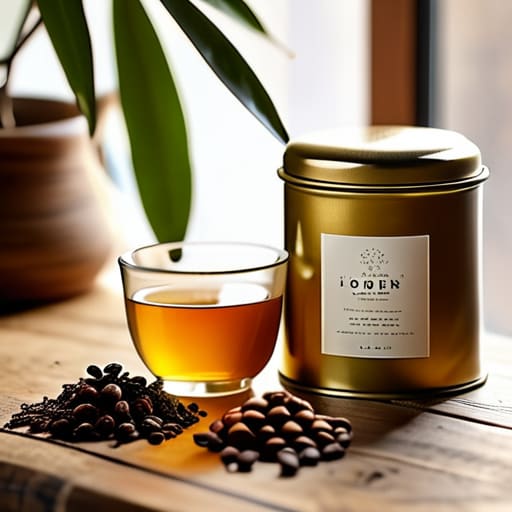
If you’re really stuck, you can never go wrong with something delicious, but let’s skip the mass-produced chocolate bars. I always lean toward things that feel a bit more curated and artisanal. Think about a small jar of local honey, a bag of specialty coffee beans from a neighborhood roaster, or even a nice tin of loose-leaf tea. These are items that feel like a treat rather than a chore.

Greenery That Grows

I am a total sucker for anything that brings a bit of life into a room, and I think your gifts should too. A small, potted succulent or a packet of heirloom wildflower seeds is such a lovely, low-pressure way to stay on someone’s mind. Unlike a plastic statue, a plant is a living thing that evolves, much like a relationship between a person and a brand.

The Charm of the Unexpected

Sometimes, the most memorable gifts are the ones that don’t quite fit the “standard” mold. I’m talking about those little items that make someone stop and say, “Oh, that’s so clever!” Maybe it’s a set of beautiful vintage-inspired coasters or a high-quality linen tea towel with a subtle, elegant print. These are the kinds of things that people actually display on their coffee tables.

A Few Final Thoughts Before You Start Shopping

Remember, it’s the thoughtfulness behind the gift that sticks, not the price tag on the packaging.

Aim for things people will actually use in their daily lives rather than something that’ll just end up in a junk drawer.

Keep it simple and sincere—when a gift feels personal, it makes people feel truly seen and appreciated.

The Heart of the Gift

“At the end of the day, a promotion gift shouldn’t feel like a transaction or a piece of clutter you’re forced to keep. It should feel like a little ‘thank you’ that actually fits into someone’s real life—something that makes them feel seen, not just marketed to.”

Saoirse Mullan

The Heart Behind the Gift

At the end of the day, whether you are choosing a cozy candle, a beautiful piece of stationery, or a local treat, the goal is the same: making someone feel seen. We’ve talked about moving away from those cheap, plastic trinkets that just end up in a junk drawer and instead leaning into items that have a bit of soul and utility. Remember, it isn’t about checking a box on a corporate to-do list or trying to impress people with a massive budget. It’s about finding those small, thoughtful ways to say “I value you” through something that actually fits into their everyday life. When you pick a gift that feels intentional, you aren’t just handing over an object; you are building a genuine connection.

I know that sometimes the pressure to get everything “perfect” can feel a bit overwhelming, especially when you’re trying to represent a brand or a group. But if there is one thing I’ve learned from years of styling events, it’s that people rarely remember the exact price tag of a gift—they remember how it made them feel in the moment. So, take a deep breath, trust your gut, and go with something that feels warm and real. Let’s focus on the human element of gifting. After all, the best promotions aren’t the loudest ones; they are the ones that leave a little bit of magic in someone’s day.

Frequently Asked Questions

How do I choose something that feels personal without breaking my budget?

Honestly, the secret is to stop looking at the price tag and start looking at the person. I always say: aim for “thoughtful” over “expensive.” Instead of a generic gift set, think about something that nods to a shared joke or a hobby they love. Even something small, like a beautiful vintage mug from my thrift finds paired with a single tea bag, feels so much more intentional than a pricey gadget that’ll just sit in a junk drawer.

Are there any "go-to" items that people actually keep instead of tossing in a junk drawer?

Honestly, I see so many people toss those cheap plastic trinkets the second they get home. If you want something that actually stays out on a coffee table or gets used every day, think small and functional. A beautiful linen tea towel, a really nice scented candle, or even a unique vintage glass from one of my thrift finds. If it’s pretty enough to display or useful enough to grab daily, it’s a keeper.

What's the best way to package these little gifts so they feel special when someone opens them?

Honestly, don’t stress about perfect gift wrap. I’m a huge fan of the “effortless boho” look—think brown kraft paper, a bit of twine, and maybe a sprig of dried eucalyptus tucked under the knot. It feels so much more intentional than a shiny, store-bought bag. If you’re feeling extra, a handwritten tag makes a world of difference. It’s those tiny, tactile details that make someone feel truly seen.