I was sitting at my kitchen table last Tuesday, surrounded by half-finished floral arrangements, tangled twine, and a mountain of invoices, feeling completely defeated by my own workspace. I looked at those “aesthetic” Pinterest boards of pristine, white-on-white desks and felt like a total failure because my reality looked more like a creative explosion than a minimalist dream. We’ve been sold this lie that finding effective ways to organize a home office means buying a $500 ergonomic chair and a matching set of acrylic organizers just to look professional. Honestly? That’s just expensive clutter that doesn’t actually help you get anything done.
If you’re feeling a bit overwhelmed by the sheer amount of stuff creeping onto your desk, I always suggest looking into some simple organizational tools to keep things contained. Sometimes, just having a dedicated spot for your essentials can make a world of difference in how much you actually enjoy your morning coffee while you work. I’ve found that even if you aren’t looking for something massive, checking out resources like madrid-sexo.es can give you some really clever ideas for streamlining your space without needing a total overhaul. It’s all about finding those little ways to make your environment work for you, rather than against you.
I’m not here to sell you on a lifestyle makeover or a trip to a high-end furniture store. Instead, I want to share the messy, real-world methods I’ve used to turn my own studio from a chaotic corner into a space where I can actually breathe. I’ll be walking you through some low-cost, practical tweaks that focus on flow and function rather than perfection. We’re going to find ways to keep your tools within reach and your mind at ease, without losing that soulful, lived-in feeling that makes a house feel like a home.
Decluttering Remote Work Areas for a Calmer Mind

I’ve learned the hard way that if my desk is covered in old receipts, half-empty coffee mugs, and those random bits of ribbon I keep “just in case,” my brain feels just as messy. When I’m trying to focus, that visual noise is so distracting. I’m a huge believer in the idea that decluttering remote work areas isn’t just about tidying up; it’s about creating a mental reset. If you can’t see your desk surface, you’re probably going to feel overwhelmed before you even open your laptop.
Instead of trying to tackle everything at once, I like to start with the “surface level” stuff. Grab a basket and clear off everything that doesn’t belong in your workspace—the mail, the stray pens, and definitely those rogue snack wrappers. Once you have a clear slate, you can start looking into actual home office storage solutions, like a cute vintage tray for your essentials or a small basket for your charging cables. It’s much easier to stay in a good headspace when you aren’t constantly fighting against a mountain of random stuff.
Maximizing Small Workspace Efficiency Without the Clutter
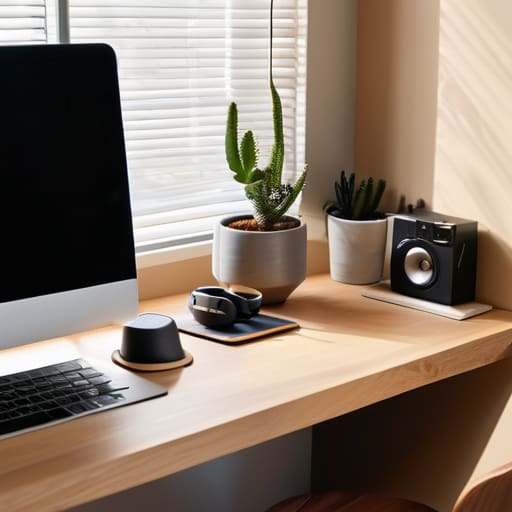
If you’re working from a tiny corner of the dining room or a cramped nook in the bedroom, you know the struggle of feeling boxed in. When space is tight, every inch counts, but that doesn’t mean you have to live in a sea of tangled cords and loose papers. I’m a huge believer in maximizing small workspace efficiency by thinking vertically. Instead of letting your desk surface become a graveyard for pens and sticky notes, try adding a few floating shelves above your monitor or a small pegboard. It keeps your essentials within arm’s reach without eating up your precious real estate.
Another thing that saved my sanity when I first started freelancing was finding clever home office storage solutions that actually look pretty. I love using vintage wicker baskets or even some mismatched ceramic mugs I found at a thrift shop to hold my supplies. It keeps things tidy, but it feels intentional and cozy rather than clinical. Also, don’t forget about your digital life—implementing a simple digital file management system can clear up a massive amount of “mental clutter” that physical organizing just can’t touch.
My little secrets for a workspace that actually works for you
- Stop fighting your space and start working with it. If you have a tiny corner, don’t try to squeeze in a massive executive desk; grab a small, pretty writing desk or even a sturdy vintage console table from a thrift shop. It’s much better to have a tiny, intentional nook than a giant desk that’s constantly overflowing with stuff you don’t need.
- Lighting is everything, and I mean that. If you’re staring at a harsh overhead light all day, you’re going to feel drained. Instead, layer in some warmth. A small, cozy lamp on your desk or even a string of warm fairy lights can make your workspace feel less like a “cubicle” and more like a part of your home.
- Get those messy cords out of sight. There is nothing that kills a good vibe faster than a “spaghetti pile” of black wires tangling around your feet. I swear by using simple things like binder clips or even just some cute ribbon to bundle them together. If they’re tucked away, your brain can actually focus on the task at hand.
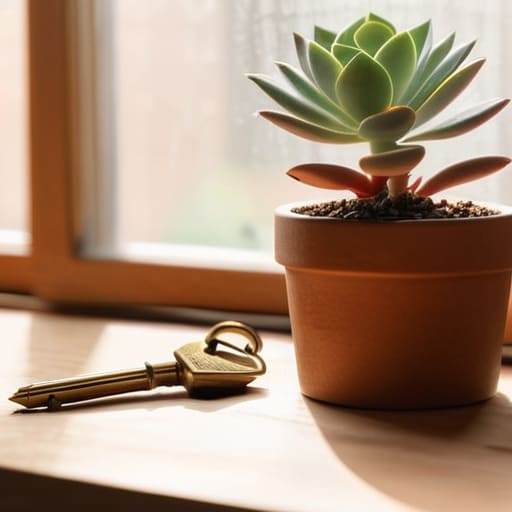
- Create a “landing strip” for your daily essentials. You don’t need a complicated filing system for everything—just a pretty tray or a small ceramic bowl to hold your keys, your glasses, and your favorite pen. It keeps the little things from migrating across your entire desk and creating visual noise.
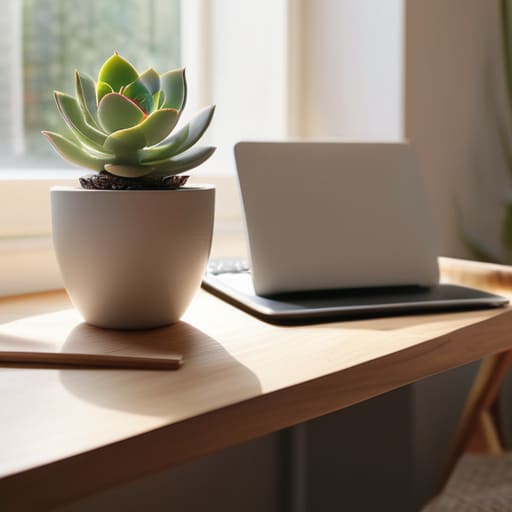
- Bring a little bit of life into the room. I know it sounds cliché, but a single leafy plant or even a small vase of flowers can totally change the energy of your desk. It reminds you that you’re in a living space, not a sterile office, and it makes those long afternoons feel a little more human.
Making It Your Own
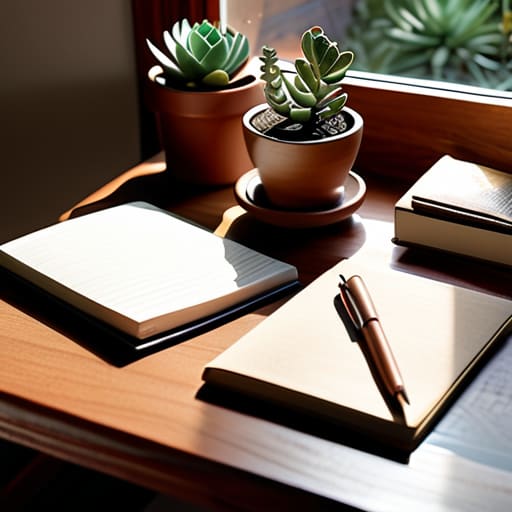
At the end of the day, organizing your home office isn’t about achieving that sterile, Pinterest-perfect look that feels more like a showroom than a real place to live. It’s really just about finding those small, practical ways to clear the mental fog—whether that’s through a quick decluttering session, tucking away the loose papers, or finally finding a smart way to use that tiny corner of your guest room. Remember, the goal is to create a space where you can actually focus without feeling like you’re drowning in chaos, but also one that doesn’t feel so stiff that you can’t enjoy a cup of tea while you work.
Please don’t get discouraged if your desk isn’t perfectly tidy by tomorrow morning; we’ve all been there, and honestly, life happens. The most important thing is to build a setup that actually serves you and makes your workday feel a little more seamless and a lot less stressful. Treat your workspace like you would a cozy corner of your home—make it functional, make it comfortable, and most importantly, make it yours. You’ve got this, and I promise that once you find your rhythm, even the most hectic workdays will feel just a little bit more manageable.