Category: Planning

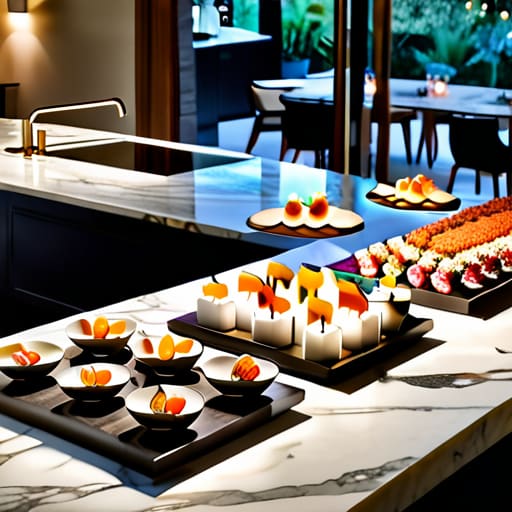
Organizing delicious party food prep.

Preparing Food for a Party

I still remember one of my first big catering gigs back in my twenties—I was sweating through my uniform, frantically trying to plate tiny, expensive appetizers while my actual guests were already laughing and clinking glasses in the next room. I was so obsessed with the “perfect” presentation that I completely missed the chance to actually be part of the party. Honestly, I think we’ve been sold this lie that party food prep has to be some grueling, high-stakes marathon of gourmet plating and kitchen chaos. It’s exhausting, it’s expensive, and frankly, it’s the fastest way to ensure you’re hiding in your kitchen instead of enjoying your friends.

I’m over the idea that you need a professional brigade to host a memorable night. In this guide, I’m sharing my realistic, low-stress approach to getting everything ready without losing your mind (or your evening). We’re going to talk about smart shortcuts, prepping things ahead of time so you can actually sit down, and how to serve delicious bites that don’t require a tiny pair of tweezers. My goal is to help you master the art of stress-free entertaining so you can focus on what actually matters: the conversation.

Table of Contents

Mastering Batch Cooking for Events Without Losing Your Mind

Mastering Batch Cooking for Events Without Losing Your Mind

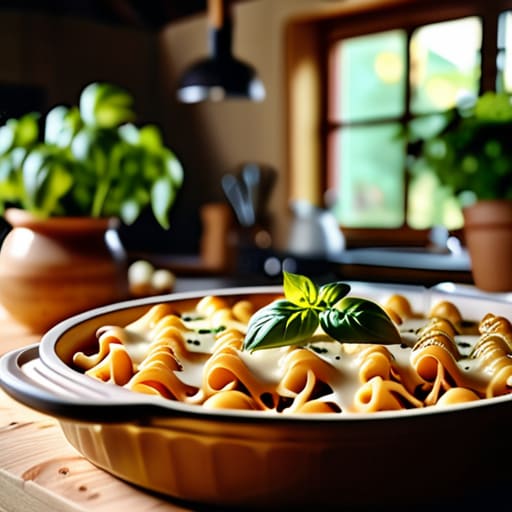
Honestly, the biggest mistake I see people making when they start hosting is trying to cook everything to order. If you’re standing over a hot stove flipping individual sliders while your guests are laughing in the next room, you aren’t really partying—you’re just working a shift. My secret to staying sane is leaning heavily into batch cooking for events. I always pick a “hero” dish—something like a big, slow-cooked chili or a massive tray of baked pasta—that can sit in a warming dish and stay delicious for an hour.

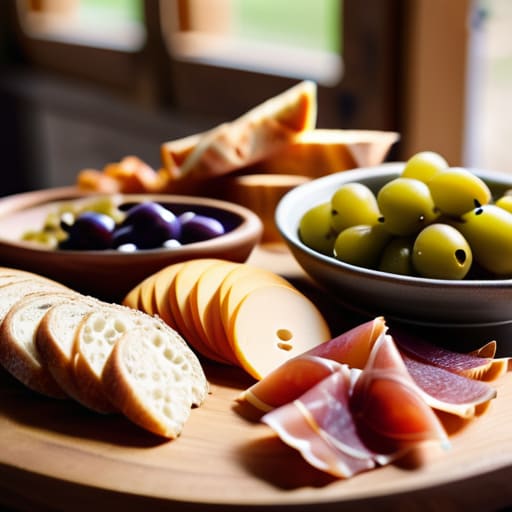
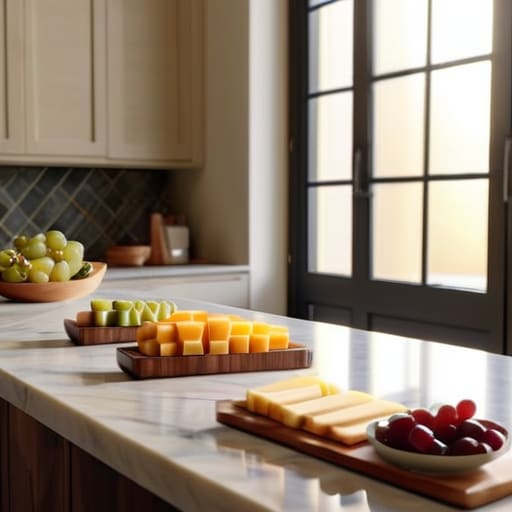
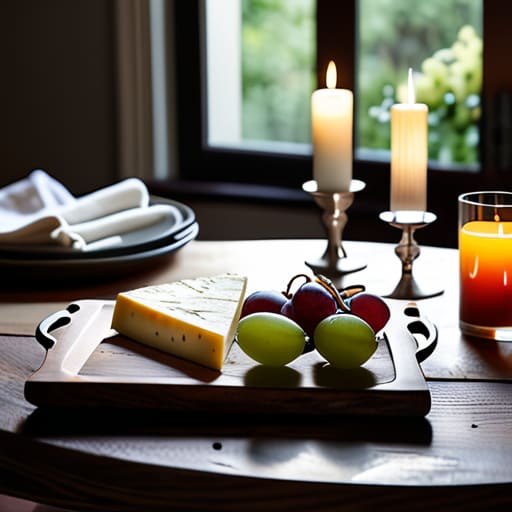
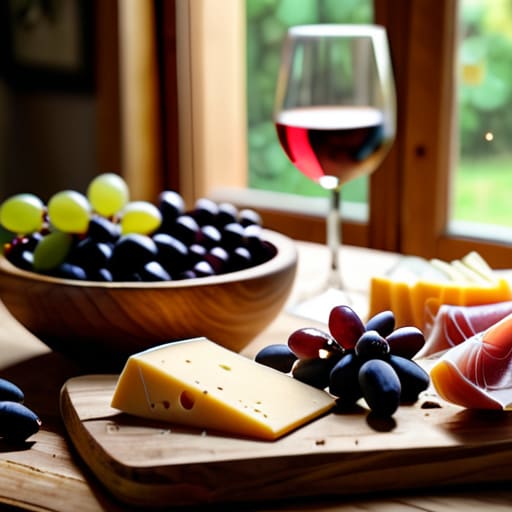
When it comes to the smaller bites, I swear by make-ahead party appetizers that can be assembled in a single afternoon. Think of things like marinated olives, spiced nuts, or even a pre-made charcuterie board that just needs a quick dusting of fresh herbs before people arrive. The goal is to get as much done as possible the day before. This way, when the doorbell rings, you aren’t frantically chopping onions; you’re just pouring the first round of drinks and actually enjoying the magic you’ve created.

Make Ahead Party Appetizers That Let You Actually Talk

Make Ahead Party Appetizers That Let You Actually Talk

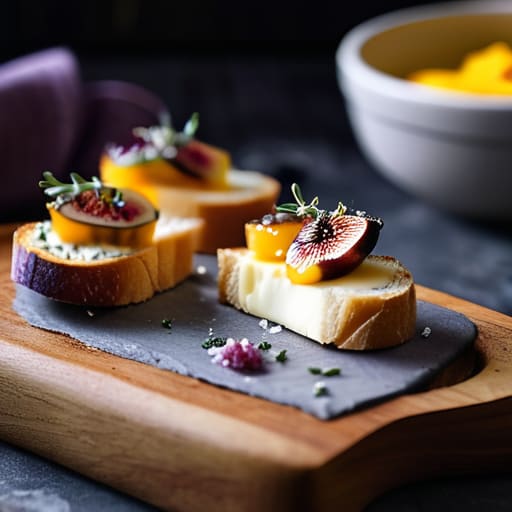
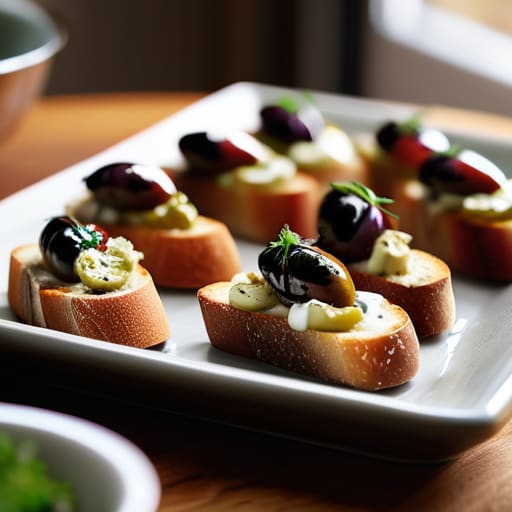
The biggest mistake I see people make when they’re trying to host is choosing recipes that require them to stand over a hot stove right when the first guest knocks. Trust me, nobody wants to be stuck in the kitchen while everyone else is laughing in the living room. Instead, I’m a huge advocate for make-ahead party appetizers that actually taste better after they’ve sat for a bit. Think marinated olives, creamy dips, or even a loaded crostini spread where you just toast the bread right before people arrive.

If you’re leaning into a buffet style food layout, try to focus on items that are easy to grab with one hand. I love setting out little skewers or bite-sized things that don’t require a knife and fork. It keeps the vibe casual and keeps the movement flowing. My personal go-to is a whipped feta dip with honey and herbs; I can whip it up the night before, pop it in a cute thrifted bowl, and completely forget about it until it’s time to serve.

My Little Secrets for Staying Sane in the Kitchen

  • Shop your own pantry first. I used to think I needed a massive grocery haul for every single gathering, but honestly, most of the time I can just raid my spice cabinet and dry goods to build a great base for a meal. It saves money and a huge trip to the store.
  • Don’t be afraid of the “assembly only” route. If you’re making a salad or a taco bar, chop everything the day before and keep it in airtight containers. When the guests arrive, you’re just putting things in bowls rather than standing over a cutting board with a knife.
  • Lean on your dishwasher. It sounds silly, but I always make sure the dishwasher is completely empty before the first guest knocks. That way, as you finish using prep bowls or cutting boards, you can tuck them away immediately instead of letting a mountain of dishes take over your counter space.
  • Set up a “drink station” away from the food. This is a game changer. If people can grab their own water, wine, or sparkling cider from a side table, it prevents a massive bottleneck in the kitchen and keeps the flow of the room feeling much more natural.
  • Keep a “survival kit” of little things. I always keep a roll of tea towels and a stash of extra napkins nearby. You’d be surprised how many little spills happen, and having them ready to go means you aren’t scrambling or making a scene out of a tiny mess.

My Golden Rules for a Stress-Free Kitchen

Prioritize dishes that can be served at room temperature so you aren’t constantly running back and forth to the oven.

Don’t be afraid to lean on high-quality store-bought shortcuts—a good crust or a nice cheese board is still a win in my book.

Prep your “station” the night before, from garnishes to serving spoons, so you aren’t hunting for a spatula while your guests are arriving.

My Golden Rule for Hosting

Honestly, the best thing you can do for your guests isn’t serving a five-course meal; it’s doing enough prep beforehand so that you aren’t stuck in the kitchen while everyone else is having the best time in the living room.

Saoirse Mullan

Bringing It All Home

Smart appetizer prep: Bringing It All Home.

At the end of the day, the secret to a successful spread isn’t about having a perfectly manicured buffet or a menu that looks like it belongs in a gourmet magazine. It’s about the strategy. By leaning into batch cooking and choosing those smart, make-ahead appetizers we talked about, you’re effectively buying yourself the most valuable thing in the room: time. When you aren’t stuck hovering over a hot stove or frantically chopping herbs while your guests are laughing in the next room, you actually get to be a part of the magic. Remember, the goal is to work smarter, not harder, so the food supports the party rather than becoming the main event.

I know how easy it is to get caught up in the “perfection” trap, but please, give yourself some grace. If a tray of crostini comes out a little bit uneven, or if you end up ordering pizza halfway through because you were too busy catching up with an old friend, it’s perfectly okay. Your guests aren’t there to critique your culinary skills; they are there because they love your company. So, dim the lights, pour yourself a glass of something delicious, and just enjoy the moment. That’s where the real memories are made, anyway.

Frequently Asked Questions

How do I keep everything warm without having to constantly run back and forth to the oven?

Honestly, the “oven shuffle” is the fastest way to ruin your own vibe. I swear by using slow cookers or even just a couple of warming trays hidden under pretty linen napkins. If you’re doing something like sliders or baked brie, a little warming drawer or even just keeping things in a low-temp oven with the door cracked can work wonders. The goal is to set it and forget it so you can actually grab a drink!

What are some ways to prep food ahead of time that won't leave everything looking a bit sad or soggy by the time guests arrive?

The biggest mistake I see is prepping things too early that just can’t handle the wait. For anything crunchy or fresh, keep the components separate until the very last second. Think “assembly style”—keep your creamy dips in the fridge and your veggie sticks in a separate container, then combine them right before people arrive. If you’re doing salads, dress them at the very last minute so they don’t wilt and look sad.

I'm working with a tiny kitchen—how can I manage all this prep without feeling like I'm tripping over myself?

Oh, the tiny kitchen struggle is so real! I once tried to host a brunch in a studio apartment and felt like I was playing a high-stakes game of Tetris just to reach the toaster. My biggest tip? Clear your counters completely before you even start. If you don’t have prep space, use a sturdy cutting board over your sink or even a clean baking sheet. Work in small, manageable batches so you aren’t tripping over your own feet!

Selecting creative party decoration themes.

Choosing Decoration Themes for a Party

I still remember a wedding I worked on back in my catering days where the client spent a small fortune on these massive, towering floral installations that practically blocked the view of the guest of honor. It was beautiful, sure, but it felt so stiff and intimidating that people were almost afraid to touch anything. We get so caught up in these Pinterest-perfect party decoration themes that we forget the whole point is to actually host people, not to curate a museum exhibit. Honestly, if your guests are too worried about knocking over a centerpiece to actually enjoy their drink, you’ve missed the mark.

I’m not here to tell you how to spend a thousand dollars on matching streamers and disposable props. Instead, I want to show you how to pick themes that actually work in a real living room without breaking your spirit or your bank account. I’ll be sharing my favorite ways to use what you already have—and maybe a few thrifted treasures—to create a vibe that feels intentional but totally effortless. We’re going to focus on creating a mood that invites conversation, rather than just filling up empty space.

Table of Contents

Budget Friendly Party Setups That Spark Real Connection

Budget Friendly Party Setups That Spark Real Connection

Honestly, I think we sometimes get so caught up in chasing the latest party aesthetic trends on Pinterest that we forget the goal is to actually enjoy our friends. One of my favorite budget-friendly party setups is the “Picnic Living Room” vibe. Instead of renting heavy furniture or expensive linens, just clear some floor space, throw down every rug and cushion you own, and use low coffee tables or even sturdy wooden crates. It immediately breaks down those formal barriers and encourages everyone to actually lean in and talk rather than sitting stiffly in dining chairs.

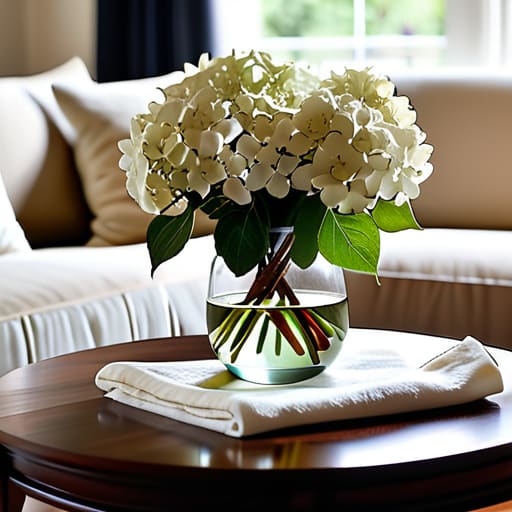
If you’re feeling a bit more traditional, don’t underestimate the power of a simple, curated spread. I love using mismatched vintage glassware—you can find some absolute gems at your local thrift store—to create a sense of effortless charm. Pair these with some greenery from your own garden for quick tabletop centerpiece inspiration. You don’t need a massive floral arrangement; just a few sprigs of eucalyptus or even some dried wildflowers in a glass jar feel intentional and warm. It’s all about creating a space that feels lived-in and welcoming, not a showroom.

Cohesive Party Color Schemes Without the Professional Price Tag

Cohesive Party Color Schemes Without the Professional Price Tag

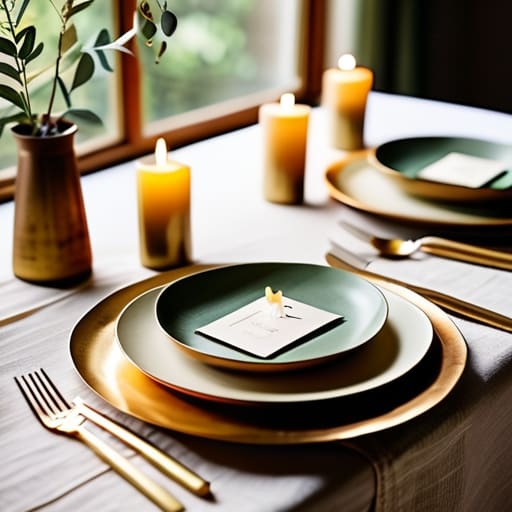
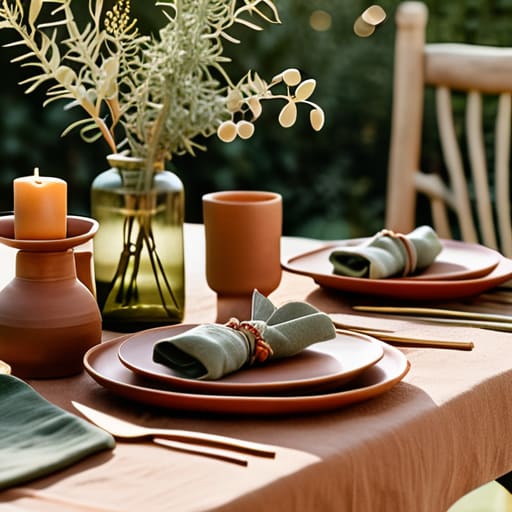
Now, I know what you’re thinking: “Saoirse, if I don’t have a designer, my colors are going to look like a toddler’s birthday party.” But honestly? You don’t need a massive budget to nail cohesive party color schemes. The secret isn’t buying expensive, coordinated balloon arches; it’s about picking a base palette and sticking to it. I love grabbing a single color—let’s say a dusty sage or a deep terracotta—and using that as your anchor. From there, you can pull in textures like linen napkins or even some thrifted glassware that hits those same tones. It makes everything feel intentional without looking like a catalog page.

When you’re looking for event styling ideas that actually work, think about your surroundings. If you’re hosting a summer brunch, don’t fight against the bright sunlight; lean into it with citrus tones and airy whites. If it’s a cozy winter thing, go for those moody, jewel-toned accents. The goal is to create a visual thread that ties the room together so your guests feel a sense of calm rather than visual chaos. Keep it simple, keep it consistent, and let the mood do the heavy lifting.

My Little Secrets for Pulling Off a Theme Without the Stress

  • Don’t get hung up on a “perfect” theme; instead, pick a mood. If you want a cozy, autumnal feel, you don’t need a mountain of plastic pumpkins—just some dried eucalyptus, amber glass from my latest thrift haul, and plenty of unscented tea lights.
  • Use what you already own as your foundation. Before you go running to a party supply store, raid your own linen closet for textured tablecloths or your bookshelf for interesting ceramics. It makes the space feel more “you” and much less like a staged showroom.
  • Focus on “sensory” decorating rather than just visual. A theme isn’t just what people see; it’s what they feel. A Mediterranean-inspired night works better with the scent of fresh rosemary on the table and some soft acoustic music than it does with a bunch of cheap blue streamers.
  • Keep your “decor” at eye level or below. I see so many people spend their whole budget on massive balloon arches that nobody actually looks at. Instead, put your effort into the tabletop or low-level lighting where people are actually sitting and chatting.
  • Always have a “fix-it” kit nearby. I can’t tell you how many times a centerpiece has tipped or a sign has sagged mid-party. Keep a small roll of double-sided tape (it’s my lifesaver!) and some extra twine tucked away so you can make quick adjustments without panicking.

My Golden Rules for Stress-Free Decorating

Focus on the atmosphere, not the clutter; I’d much rather have a few well-placed candles and some soft lighting than a mountain of expensive, plastic decorations that just get in the way of a good conversation.

Keep your color palette simple so you aren’t constantly hunting for matching pieces; picking two or three tones and sticking to them makes even a thrifted collection of glassware look intentional and chic.

Prioritize comfort over perfection, because at the end of the day, your guests won’t remember if the streamers were perfectly straight, but they’ll definitely remember if they felt relaxed enough to stay for hours.

My Golden Rule for Decorating

Honestly, don’t get so caught up in picking a “theme” that you forget to create a vibe; a perfectly coordinated balloon arch means nothing if your guests are too uncomfortable to actually sit down and stay a while.

Saoirse Mullan

The Heart of the Party

Decorating to create The Heart of the Party.

At the end of the day, whether you’re leaning into a moody, vintage-inspired color palette or keeping things simple with some budget-friendly greenery, the goal is the same: creating a space where people feel comfortable enough to really let loose. We’ve talked about how you can nail a cohesive look without spending your entire savings or how to set up a theme that encourages actual conversation rather than just looking pretty for a photo op. Remember, you don’t need a professional crew or a massive budget to pull this off; you just need a bit of intention and maybe a few well-placed fairy lights to set the right mood.

If you find yourself stressing over whether the centerpieces are perfectly symmetrical or if you picked the “right” shade of sage, just take a deep breath and let it go. Your friends aren’t coming over to critique your decor; they’re coming to see you and to share a laugh. If the lighting is soft, the snacks are easy to grab, and the atmosphere feels warm, you’ve already won. So, grab that roll of double-sided tape from your purse, trust your instincts, and just focus on the magic of the moment. You’ve totally got this!

Frequently Asked Questions

I have a tiny living room and a huge guest list—how can I pick a theme that doesn't make the space feel cluttered or claustrophobic?

Oh, I’ve been there! Honestly, when space is tight, less is always more. Instead of a heavy theme with lots of props, try a “sensory” theme. Focus on things like a specific playlist, a signature scent, or a single color palette in your lighting. It sets the mood without taking up any floor space. Keep the decor vertical—think hanging greenery or fairy lights—so your guests have plenty of room to actually move and mingle.

What do I do if my friends have totally different tastes and I'm worried a specific theme might feel too "extra" or niche for them?

Honestly, I get this anxiety so much! When I’m styling, I always tell people: don’t aim for a “theme” that feels like a costume party. Instead, think of it as a “mood.” If you’re worried about being too niche, lean into textures and lighting rather than specific props. Use some thrifted brass candlesticks or linen napkins to set a vibe. It feels intentional and elevated, but nobody feels like they’re walking into a movie set.

How do I transition my decor from a daytime brunch vibe to a cozy evening setup without having to redo everything from scratch?

Honestly, this is my favorite kind of hosting hack! You don’t need to tear the whole room down. Once the brunch plates are cleared, just swap out the bright citrus scents for something woodsy or amber. The real magic, though, is the lighting. Dim those overheads, light a few unscented taper candles, and pull out some floor cushions. It’s all about shifting from “bright and airy” to “low-lit and moody” with just a few small tweaks.

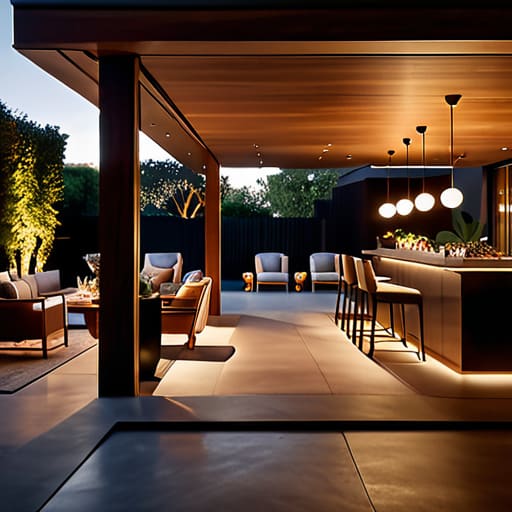
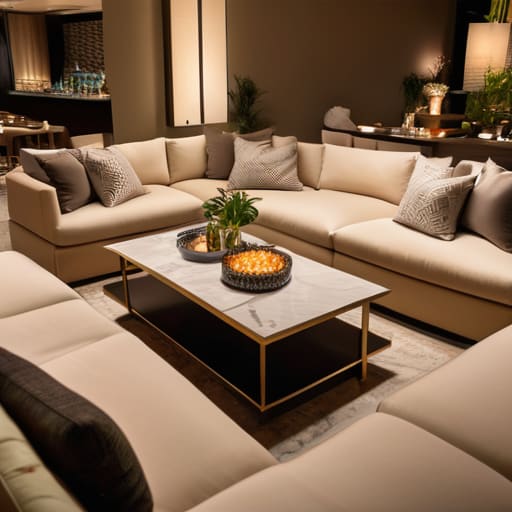
Organizing diverse party seating arrangements.

Organizing Seating for a Large Party

I still remember one of my first big catering gigs back in my twenties; I spent three hours obsessing over a rigid, formal floor plan that looked like something out of a corporate handbook. The tables were perfectly aligned, the chairs were spaced to the millimeter, and the whole room felt stiff and intimidating. As soon as the guests arrived, they hovered awkwardly near the entrance, too afraid to break the “perfect” symmetry to actually sit down and grab a drink. It was a total disaster because I had prioritized aesthetics over actual human connection, and I realized right then that traditional party seating arrangements are often the biggest buzzkill in the room.

I’m not here to tell you how to make your living room look like a staged showroom or how to rent expensive banquet furniture you don’t need. Instead, I want to share my honest, battle-tested approach to setting up your space so that people actually want to linger. We’re going to focus on creating cozy little pockets for conversation, making sure everyone has a comfortable spot to land, and keeping things completely effortless. Let’s ditch the formal rules and focus on making your guests feel truly at home.

Table of Contents

Social Interaction Layouts That Actually Encourage Deep Conversation

Social Interaction Layouts That Actually Encourage Deep Conversation

If you want people to actually talk instead of just staring at their phones, you have to ditch the idea of one massive, intimidating table. When everyone is lined up in a single row, you’re basically stuck talking to the person directly to your left or right for two hours. Instead, I love using small, clustered groupings—think a couple of mismatched armchairs here, a small bistro table there. These social interaction layouts act like little islands of intimacy where people feel safe to lean in and really listen.

You also want to think about the movement within the room. I’m a huge fan of mixing things up rather than sticking to a strict banquet style vs cocktail style approach. If you have a smaller living room, try pulling your dining chairs away from the wall and creating a loose circle. It might feel a bit more chaotic than a formal setup, but it makes the whole vibe feel much more intentional. Just make sure you leave enough breathing room so people don’t feel trapped; a little bit of elbow room goes a long way in making guests feel relaxed enough to stay for that second glass of wine.

Banquet Style vs Cocktail Style Choosing Your Cozy Vibe

Banquet Style vs Cocktail Style Choosing Your Cozy Vibe

Now, this is where people usually get a bit stuck—deciding between a sit-down meal or a more casual mingle. When you’re weighing banquet style vs cocktail style, I always tell my clients to think about the energy they want to cultivate. Banquet style is lovely if you’re planning a long, slow dinner where the food is the star. It feels intentional and grounded, but just a heads-up: it can sometimes trap people in one spot for too long. If you go this route, make sure your dining room ergonomics allow for easy movement so people don’t feel like they’re stuck in a classroom setting.

On the flip side, if you want a night that feels breezy and alive, go for cocktail style. This is all about guest flow management; you want plenty of high-top tables or scattered lounge spots so people can drift from one group to another. It’s much more forgiving if your space is a little tight, too. Instead of worrying about a strict seating capacity calculator, just focus on creating little “pockets” of comfort where people can perch with a drink and a snack.

My little secrets for making sure nobody feels left out

  • Don’t be afraid of the “nook” approach—if you have a corner with a couple of mismatched armchairs and a small side table, use it! It creates a little sanctuary for the guests who might be feeling a bit socially overwhelmed.
  • Keep the “flow” in mind by leaving enough space between your seating clusters so people can actually wander around without bumping into someone’s drink. A cramped room always makes people feel a little more anxious than they need to be.
  • Use varying heights to keep things interesting; if everyone is sitting at the exact same level, it can feel a bit like a classroom. Mix in some floor cushions or a low coffee table to break up the visual lines and make it feel more like a living room.
  • Avoid the “long line” trap. If you’re using a long dining table, try to avoid seating people in a way that they can only talk to the person directly across from them. Scatter some smaller side tables nearby to encourage people to drift and mingle.
  • Always, always check your lighting before people arrive. There is nothing that kills a cozy seating vibe faster than a harsh overhead light. Dim those lamps and maybe even toss a few battery-operated tea lights on the tables to keep the mood soft and inviting.

The quick cheat sheet for a cozy setup

Prioritize “conversation pockets” over perfect symmetry—it’s better to have a few small, cozy clusters of chairs than one giant, intimidating circle.

Match your layout to the energy you want; go for cocktail style if you want people moving around, or banquet style if you’re planning a long, lingering dinner.

Don’t forget the “soft” details like floor cushions or extra throw blankets to make your seating feel lived-in and welcoming rather than stiff.

The secret to a great night

“At the end of the day, your seating plan shouldn’t look like a classroom; it should feel like an invitation to stay a little longer and actually listen to each other.”

Saoirse Mullan

Making it Your Own

Creating a cozy event, making it your own.

At the end of the day, whether you decide to go with the structured warmth of a banquet table or the breezy, “grab-a-drink-and-mingle” energy of a cocktail setup, the goal is the same: making sure your guests feel at home. Remember, you don’t need to follow a rigid blueprint to be successful. It’s about finding that sweet spot between functional flow and those little pockets of comfort where people can actually settle in. Just focus on creating a few natural gathering spots, keep the lighting soft, and don’t stress too much about the perfect symmetry. If people are leaning in to hear a story or laughing over a shared plate, you’ve already won the hosting game.

Please, don’t let the fear of a “messy” room stop you from opening your doors. I’ve seen some of the most beautiful, expensive setups feel totally cold and stiff, while a living room filled with mismatched thrifted chairs and floor cushions can feel like pure magic. Your friends aren’t coming over to critique your floor plan; they’re coming to see you. So, grab that roll of double-sided tape from your bag, tuck a few extra cushions behind the sofa, and just let the good times roll. The best memories happen in the unplanned moments between the seating arrangements.

Frequently Asked Questions

What do I do if I have a tiny living room and not enough actual chairs for everyone?

Honestly, don’t panic—this is where the “boho” in my style really comes in handy! If you’re short on chairs, embrace the floor. I love scattering some oversized floor pillows or even a few cozy thrifted poufs around a low coffee table. It instantly makes the room feel more relaxed and intimate. You can also grab some sturdy upturned crates or even a stack of coffee table books to create makeshift stools. Keep it low-key!

How do I stop people from getting "stuck" in one group all night?

The trick is to avoid “static” zones. If you have one big, heavy dining table, people tend to anchor there. Instead, try creating little “movement magnets.” Scatter a few small bistro tables, some floor cushions, or even a cozy nook with a lamp. When you mix up the seating heights and locations, it naturally nudges people to wander. It keeps the energy flowing without making anyone feel like they’re being forced to mingle.

Should I worry about having a designated spot for people to eat, or is it okay to just let them lounge?

Honestly, don’t sweat a formal dining setup too much. If you’re doing a casual get-together, letting people lounge is part of the charm! Just make sure there’s a balance. You don’t want people trying to balance a plate of pasta on their knees while slumped on a beanbag. I always suggest a mix: some cozy spots for lounging, but a few sturdy surfaces or a communal table nearby so nobody feels awkward holding their food.

Selecting party music playlists for events.

How to Select Music for a Party

I still remember one of my first big catering gigs back in my early twenties; I had spent hours obsessing over the decor, but the second the music started, everything went sideways. The host had put on this incredibly loud, aggressive techno set that basically shouted at my guests, making it impossible for anyone to actually hear themselves think, let alone enjoy their appetizers. It was a total vibe killer, and it taught me a massive lesson: you can have the most stunning table settings in the world, but if your party music playlists are working against the room, the whole night will feel forced and awkward.

I’m not here to tell you that you need a professional DJ or a massive sound system to make your home feel magical. My goal is to give you the real, unvarnished truth about how to curate a soundtrack that actually flows with the evening. We’re going to talk about how to pick tracks that encourage real conversation and set a cozy mood without being distracting. I promise to share my best, tried-and-tested tips for building party music playlists that feel effortless, soulful, and—most importantly—completely human.

Table of Contents

Setting the Scene With Subtle Party Atmosphere Enhancement

Setting the Scene With Subtle Party Atmosphere Enhancement

Once the music is actually playing, you have to think about how it interacts with the physical space. I always tell my clients that sound is just as much a design element as a tablecloth or some fairy lights. If the volume is too high, people end up shouting across the coffee table, which totally kills the vibe. I’m a big believer in curating mood-based playlists that evolve as the night progresses. Start with something low-key and instrumental while people are sipping their first drink and catching up. You want a backdrop that feels like a warm hug, not a distraction.

As the evening picks up and the wine flows, that’s when you can slowly turn up the energy. You don’t want to jump straight into the heavy hitters, but you can definitely transition into more upbeat, soulful tracks to nudge people toward the living room rug. It’s all about that gradual party atmosphere enhancement—moving from “chill lounge” to “low-key dance party” without it feeling forced. If you nail that transition, you won’t even need to worry about a formal dance floor; people will just naturally start moving.

Streaming Service Music Curation for Cozy Evenings

Streaming Service Music Curation for Cozy Evenings

Honestly, the easiest way to handle the tunes without losing your mind is through streaming service music curation. Since I’m usually busy fussing over the snack spread or making sure the candles are lit, I rely heavily on pre-made lists. But here’s my little secret: don’t just hit “shuffle” on a random Top 40 station. It can feel a bit jarring when you’re trying to keep things intimate. I love curating mood-based playlists that start off really mellow—think lo-fi beats or some soft indie folk—to give people a chance to settle in with their drinks.

As the night progresses and the wine starts flowing, you can gradually transition into something with a bit more soul or disco. You don’t need to be a DJ or worry about complex event audio management; you just need to follow the energy in the room. If you notice people tapping their feet, that’s your cue to nudge the volume up slightly. The goal isn’t to provide a concert, but to create a seamless sonic backdrop that supports the laughter and the stories being told.

Five Ways to Get the Vibe Just Right Without Stressing the Small Stuff

  • Build your playlist in stages. I always start with something low-key for when people are first trickling in and grabbing their first drink, then slowly ramp up the energy as the night picks up. You don’t want to jump straight into a dance party while people are still trying to say hello.
  • Don’t let the music compete with the conversation. This is my biggest rule! If you find yourself having to raise your voice to be heard over a heavy bassline, it’s time to turn it down. The music should be the warm hug in the background, not the main event.
  • Mix the classics with some new discoveries. I love throwing in a few songs that everyone knows and can hum along to—it’s an instant icebreaker—but I also like to sprinkle in some of those funky indie tracks I find while thrifting or browsing record stores to keep things interesting.
  • Keep the “skip” button handy (or better yet, let it play). Nothing kills a mood faster than a song that feels totally wrong for the room. If a track feels awkward, don’t be afraid to jump to the next one. It’s your house and your vibe, so trust your gut.
  • Think about the “flow” of the evening. Just like a well-plated meal, a playlist should have a beginning, a middle, and an end. Aim for a steady crescendo that leads into a mellow, chill-out phase for when everyone is winding down and feeling cozy.

Quick Tips for Your Party Soundtrack

Keep the volume at a “background” level so your guests aren’t shouting over the bass just to tell a story.

Don’t get stuck playing one genre all night; mix it up with a bit of soul, some indie, and maybe a classic throwback to keep the energy moving.

Always have a backup plan—whether it’s a downloaded offline playlist or a secondary device—just in case your Wi-Fi decides to act up mid-party.

The Secret Ingredient to a Great Night

Honestly, your playlist shouldn’t be the center of attention; it should just be that warm, sonic hug in the background that makes people feel comfortable enough to actually lean in and talk.

Saoirse Mullan

The Final Beat

Creating a seamless atmosphere with The Final Beat.

At the end of the day, whether you’re meticulously curating a vibe through your favorite streaming service or just dimming the lights to let a background beat take over, the goal is the same: creating a space where people feel comfortable enough to stay a little longer. We’ve talked about everything from subtle atmosphere shifts to finding those perfect, cozy tracks that don’t compete with the chatter. Just remember that you don’t need a professional DJ or a massive sound system to pull this off. It’s really just about layering the sound so that the transition from dinner to drinks feels completely seamless and natural.

If you find yourself stressing over whether the tempo is too fast or if the genre is “right,” take a deep breath and let it go. I’ve been in those positions—standing in my kitchen, nervously checking my phone to see if the playlist is working—and I promise you, your friends aren’t grading your musical taste. They’re there for the laughs, the shared plates, and the way the room feels when the lighting is just right. So, press play, grab a drink, and focus on the people in front of you. That is where the real magic of hosting actually happens.

Frequently Asked Questions

How do I keep the music from getting too loud and actually drowning out the conversation?

Honestly, this is my biggest pet peeve! There is nothing worse than having to shout over a bassline just to ask someone how their week was. My golden rule? Treat music like a background layer, not the main event. Keep the volume at a level where you can still hear the ice clinking in glasses. If you find yourself leaning in to hear a friend, it’s time to turn it down a notch.

Is there a way to transition from chill dinner vibes to more upbeat tracks without it feeling awkward?

Oh, I’ve been there! That awkward silence when the vibe shifts can feel so heavy. My trick is to use “bridge tracks”—songs that have a bit more rhythm than your dinner jazz but aren’t full-on dance floor anthems. Think upbeat indie-folk or soulful Motown. Gradually increase the tempo over twenty minutes rather than flipping a switch. It’s like slowly turning up the heat; you want your guests to realize the energy has shifted without even noticing it happened.

Should I spend time building my own playlists, or is it easier to just let a streaming service's algorithm do the heavy lifting?

Honestly? It’s a bit of both. If you’re hosting a small, intimate dinner, I’d say take twenty minutes to hand-pick a few tracks that match your vibe—it feels more personal. But if you’re throwing a bigger bash and don’t want to spend your whole night staring at your phone, let the algorithm do the heavy lifting. Just give it a solid starting prompt, then step away and actually enjoy your guests!

Creative party lighting ideas for mood setting.

Using Lighting to Set the Party Mood

Have you ever hosted a get-together where the vibe just felt… off? You’ve got the snacks laid out, the music is playing, but something is missing. I’ve been there more times than I’d like to admit, usually standing in a room that felt far too bright and clinical, like a doctor’s waiting room rather than a cozy sanctuary. We often spend so much time worrying about the menu or the guest list that we completely overlook the most important element: the atmosphere. The truth is, the right party lighting ideas can completely transform a space from a sterile living room into a warm, inviting nook where people actually want to linger and talk.

In this post, I’m stripping away all that intimidating, professional event-planner fluff and sharing my personal go-to secrets. I’ve rounded up five simple, budget-friendly ways to use light to create that perfect, effortless glow in your own home. From clever ways to repurpose what you already own to those little touches that make a room feel magical, these tips will help you set the stage for a night your friends will truly remember. Let’s get glowing!
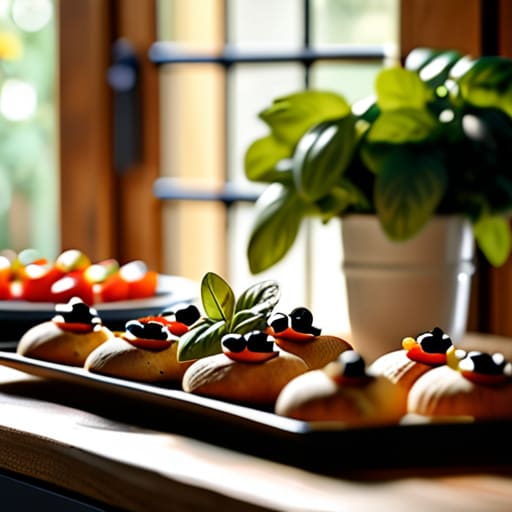
Table of Contents

String Lights for Instant Coziness

String Lights for Instant Coziness on mantle.

Honestly, if I could only recommend one thing to anyone panicking about a last-minute get-together, it would be a big spool of warm-toned string lights. There is just something about that soft, flickering glow that immediately tells your guests, “Hey, relax, you’re among friends.” I love draping them loosely over a bookshelf or even just tangled slightly across a mantle to break up the harshness of overhead lights.

The Magic of Taper Candles

The Magic of Taper Candles on table.

There is something so incredibly romantic and intentional about a real candle flame. I’m a huge fan of using mismatched taper candles in vintage brass holders—I actually spent most of last weekend scouring local flea markets for some colorful ones. They add such a lovely bit of height and texture to a dining table without needing a massive, expensive floral arrangement to fill the space.

Fairy Lights in Glassware

Ethereal fairy lights in glassware decor.

Since I spend way too much of my free time thrifting vintage glassware, I’ve learned that you can turn almost any clear vessel into a beautiful light source. If you have some leftover fairy lights—the tiny, thin wire kind—you can just bunch them up inside a large glass hurricane or even a cluster of old wine bottles. It creates this gorgeous, ethereal shimmer that looks way more expensive than it actually is.

Low-Level Lanterns

I always tell my clients that the biggest mistake people make is relying too much on the “big light” (you know, that overhead fixture that makes everything look clinical). To combat that, I love scattering some lanterns along the floor or on low coffee tables. It draws the eye downward and creates a much more intimate, grounded feeling in the room.

Warm Lamp Layering

If you have a few table lamps scattered around your house, use them! One of my favorite ways to style a room is to “layer” the light by turning off the ceiling lights and turning on every single lamp you own. It creates these beautiful layers of light and shadow that make a home feel lived-in and genuinely welcoming rather than staged for a magazine.

Bringing it all together

Remember, the goal isn’t to make your home look like a showroom; it’s about creating a soft, warm glow that makes everyone feel relaxed enough to actually stay and chat.

Don’t feel pressured to buy everything new—I always say a little thrifted magic, like some vintage lamps or mismatched tea lights, adds way more soul than a matching set from a big-box store.

Always test your lighting before the first guest knocks on the door; you want to make sure there are no harsh shadows or blinding bulbs that kill the cozy vibe you’re working so hard to build.

## The Secret to the Vibe

“Forget the bright overhead lights that make everyone feel like they’re under a microscope; it’s the soft, mismatched glow from a few well-placed lamps and some warm string lights that actually makes people relax and stay for that second glass of wine.”

Saoirse Mullan

Bringing the Glow Home

At the end of the day, you don’t need a massive budget or a professional lighting rig to change the entire energy of your home. Whether you’re layering in some warm string lights across the ceiling, tucking tiny tea lights into vintage glassware from my latest thrift haul, or just dimming the overheads to let a few floor lamps do the heavy lifting, the goal is the same. It’s all about creating those little pockets of warmth that guide people toward the snacks and toward each other. Just remember to keep it soft, keep it layered, and avoid those harsh overhead lights at all costs—they are the ultimate mood killer!

I know how easy it is to get caught up in the stress of perfection, especially when you want everything to look just right for your guests. But please, take a deep breath and remember why you’re doing this in the first place. You aren’t hosting a photoshoot; you’re hosting your favorite people. If a candle flickers out or a string light gets a little tangled, don’t sweat it. Once the music is playing and the conversation starts flowing, nobody is going to be critiquing your lumens. They’re just going to feel the warmth of your hospitality. Now, go grab that roll of tape from your bag, get those lights up, and make some magic happen.

Frequently Asked Questions

I love the idea of string lights, but how do I hang them without ruining my rental apartment walls?

Oh, the rental struggle is so real! I’ve definitely been there, staring at a blank wall and panicking about my security deposit. Honestly, skip the nails and grab some Command hooks—they’re a total lifesaver. If you’re doing something heavier, clear adhesive clips work wonders too. And since I never leave home without my little roll of double-sided tape, I highly recommend it for lightweight fairy lights. It keeps things looking magical without the permanent damage!

Is there a way to create a cozy vibe if my living room is actually really bright and lacks natural dimmers?

Ugh, I have been there! I once tried to host a dinner in a room with those massive, unforgiving overhead lights and felt like I was under interrogation. If you can’t dim the big lights, don’t fight them—just layer in your own “fake” shadows. Grab some warm-toned floor lamps or even just string lights draped over a bookshelf. It’s all about creating little pockets of soft light to trick the eye into feeling cozy.

How do I mix different types of lights—like candles and fairy lights—without the whole thing looking a bit messy or cluttered?

Honestly, I used to worry about this all the time, but the secret is all about “layering” rather than just adding more stuff. Think of it like an outfit—you wouldn’t wear five different patterns at once, right? Pick one “star” light, like a cluster of unscented pillar candles, and then use fairy lights or string lights as a soft, subtle background. Keep your color temperatures consistent, too; stick to warm tones so everything feels cohesive and cozy, not chaotic.

Delicious party catering options for events.

Choosing Catering for Your Event

I still remember one of my first big catering gigs back in my twenties—I was sweating through my uniform, trying to coordinate a dozen different trays of tiny, overpriced hors d’oeuvres that nobody actually wanted to eat. Everyone was so focused on the “aesthetic” of the food that they forgot to actually enjoy it, and honestly, it felt so stiff. We get so caught up in the idea that high-end party catering options have to involve silver platters and complicated menus, but I’ve learned the hard way that fancy doesn’t always mean better. Most of the time, you’re just paying a premium for a presentation that keeps people from actually sitting down and relaxing.

I’m not here to sell you on some extravagant, budget-breaking service that leaves you feeling stressed and broke. Instead, I want to share what actually works when you’re hosting from your own home. I’ll be walking you through some realistic and delicious ways to feed your crowd, whether you’re DIY-ing a spread or hiring a local cook. My goal is to help you find the right balance so you can spend less time worrying about the menu and more time making memories with your favorite people.

Table of Contents

Affordable Party Food Ideas for Real Connection

Affordable Party Food Ideas for Real Connection

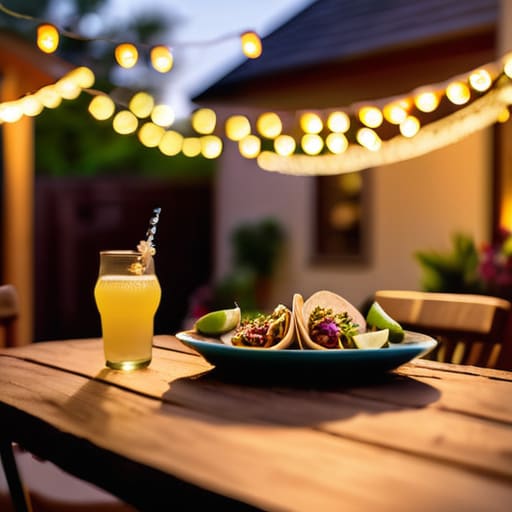
Honestly, I used to think you needed a massive budget to feed a crowd, but my years in catering taught me the opposite. If you want to keep things relaxed, skip the formal sit-down dinner and lean into affordable party food ideas like a “build-your-own” station. Think a gourmet taco bar or a massive grazing board filled with cheeses, nuts, and those funky olives I find at the thrift markets. It’s much more engaging than a stiff, plated meal; it gives people something to do with their hands while they chat.

When you’re deciding on the flow of the evening, I always suggest weighing the pros and cons of passed hors d’oeuvres vs buffet styles. If your space is a bit tight, a buffet is a lifesaver, but if you want to keep the energy moving, having a few easy-to-grab bites makes the room feel much more fluid. The goal isn’t to impress anyone with a five-course menu; it’s about creating a spread that feels abundant and approachable, so your guests can focus on the laughter rather than their forks.

Passed Hors Doeuvres vs Buffet Which Feeds the Soul

Passed Hors Doeuvres vs Buffet Which Feeds the Soul

When you’re weighing up passed hors d’oeuvres vs buffet, it really comes down to the “vibe” you want to set for the evening. If I’m hosting a smaller, more intimate gathering where I want everyone to stay glued to their seats and actually finish a story, I lean toward passed bites. There’s something so lovely about a tray of warm, salty things making their way through the crowd; it keeps the energy moving without anyone having to stand in a line. It feels a bit more intentional, like you’re really looking after your guests.

On the flip side, if you’re looking at catering for large groups—say, a big housewarming or a milestone birthday—a buffet is your best friend. It’s much more relaxed and, honestly, a lot less stressful for the host. I love a good buffet because it lets people customize their plates based on how hungry they actually are. Just a little tip from my years in the industry: if you go the buffet route, try to keep the heavy lifting away from the main walkway so people aren’t bumping elbows while they’re trying to scoop up more potato salad.

My go-to rules for keeping the food easy and the vibes high

  • Don’t try to do it all yourself. If you’re hosting, you should be holding a drink and chatting, not stuck in the kitchen hovering over a stove. If you can afford to order a few trays of something delicious from your favorite local spot, do it. It’s worth the peace of mind.
  • Think about the “grab and go” factor. If people have to use a knife and fork just to get a bite of an appetizer, they aren’t going to mingle—they’re going to stay anchored to one spot. Stick to things that can be eaten with one hand so the other is free for a glass of wine or a handshake.
  • Always, always check for the “hidden” guests. I know it’s a pain, but asking about allergies or dietary restrictions beforehand isn’t just polite—it’s essential. There is nothing worse than seeing a friend stand awkwardly by the snack table because everything has gluten or dairy in it.
  • Use what you have to make it look intentional. You don’t need matching professional platters; I actually love using a mix of mismatched vintage bowls from my thrift finds. It makes the spread feel more like a cozy dinner at home rather than a stiff corporate event.
  • Keep the “heavy lifting” for the end. If you’re doing a buffet, try to have the bulk of the food ready to go at once so people aren’t trickling in and out of the kitchen all night. You want everyone to settle in and stay settled.

My Golden Rules for Stress-Free Hosting

Prioritize flavor and “flow” over fancy presentation; if the food is easy to eat while standing and talking, you’ve already won half the battle.

Don’t feel pressured to do it all yourself—choose between a buffet for casual mingling or passed bites for a more intimate vibe, depending on your space.

Keep your budget focused on quality ingredients that people actually love, rather than spending a fortune on decor that doesn’t feed anyone.

The heart of the table

At the end of the day, your guests won’t remember if the salmon was served on fine china or a mismatched thrifted platter; they’ll remember how easy it felt to grab a bite and actually sit down to catch up.

Saoirse Mullan

Making It Your Own

Making It Your Own with catering styles.

At the end of the day, choosing between a spread of DIY finger foods or a structured buffet isn’t about following a rulebook; it’s about deciding how you want your guests to actually move through your space. Whether you’re leaning into affordable, crowd-pleasing comfort foods or trying to decide if passed bites are worth the extra effort, the goal remains the same: removing the barriers between your friends and the food. You don’t need a massive budget or a formal catering contract to make a statement. Just focus on serving things that taste good and choosing a style that lets your guests relax, grab a plate, and settle in without feeling like they’re at a stiff corporate gala.

I know how easy it is to get caught up in the logistics and start stressing over the “perfect” menu, but please, take a breath and remember why you’re doing this in the first place. You aren’t hosting a competition; you’re hosting a gathering of people you love. If the sliders are a little late or the buffet line is a bit slow, it won’t matter if the vibe is warm and the conversation is flowing. So, grab that roll of tape from your purse, dim the lights, and trust your gut. The best parties aren’t the ones that look like a magazine spread—they’re the ones where everyone feels like they can truly be themselves.

Frequently Asked Questions

How do I figure out how much food to actually order so I don't end up with a mountain of leftovers or, even worse, hungry guests?

This is the question that keeps me up at night! Honestly, the secret is to plan for the “vibe” of the event. If it’s a cocktail hour with just nibbles, people eat way more than you’d think—aim for about 6-8 pieces per person per hour. For a full dinner, I usually budget for about 1.5 servings of the main dish. Always err on the side of a little extra; nobody ever left a party feeling sad because there was too much bread!

Is it better to hire a full catering team or just pay for a local restaurant to drop off large trays?

Honestly, it really depends on your budget and how much you want to actually enjoy your own party. If you’re just hosting a casual get-together, having a local spot drop off some big, delicious trays is a total lifesaver and keeps things low-stress. But, if you want to be a guest at your own event instead of playing waiter, hiring a team to handle the setup and cleanup is worth every penny.

What’s the best way to handle dietary restrictions without making my guests feel like a total hassle?

Honestly, I used to stress so much about this, but the secret is just being upfront early on. When you send out your invite, add a little note like, “Let me know if you have any allergies or dietary quirks so I can make sure there’s something delicious for you!” It makes people feel seen, not like a burden. Then, just label your dishes clearly. If everyone can eat the same taco bar, nobody feels left out.

Tips for smart party venue selection.

How to Choose the Right Party Venue

I remember one of my first big catering gigs back in my twenties, standing in the middle of a massive, cold industrial warehouse that had been rented out for a “luxury” launch. The lighting was harsh, the acoustics made it impossible to hear the person standing two feet away, and everyone looked so uncomfortable that I actually felt bad for them. We get so caught up in the prestige of a location that we completely forget that party venue selection should be about how people feel, not how much the rental fee costs. You don’t need a marble ballroom to host a memorable night; honestly, sometimes a fancy space just gets in the way of the actual fun.

I’m not here to give you a checklist of high-end hotels or overpriced event spaces that will drain your savings. Instead, I want to help you find a spot that feels actually cozy and allows for real, unscripted conversation. I’m going to share the practical, boots-on-the-ground advice I’ve learned from years of styling events, focusing on things like flow, lighting, and comfort. Let’s find you a space where your guests can truly relax and just enjoy being together.

Table of Contents

Prioritizing Location Accessibility Over Fancy Decor

Prioritizing Location Accessibility Over Fancy Decor.

I’ve seen it happen so many times: someone spends their entire budget on a stunning, high-end loft with floor-to-ceiling windows, only to realize that half their guest list can’t find parking or has to trek through a confusing industrial complex to get there. While those photos look incredible on Instagram, they don’t mean much if your friends arrive stressed or exhausted. When you’re looking at different options, I always suggest prioritizing location accessibility above all else. If your crowd has to navigate a nightmare commute or a mountain of stairs, they aren’t going to walk through your door with that “ready to party” energy we’re all looking for.

Instead of obsessing over high-end event space amenities like professional AV systems or marble countertops, think about what actually makes the night flow. Is there a central spot that’s easy for everyone to reach? Is there a way for people to arrive without a massive headache? When I’m working through my own venue booking checklist, I always ask if the space feels welcoming and easy to access. A simple, well-located community room or even a cozy backyard is infinitely better than a “fancy” spot that feels like a chore to visit.

Budgeting for Event Spaces Without Breaking the Bank

Budgeting for Event Spaces Without Breaking the Bank

Look, I’ve seen so many people blow their entire decoration budget on a gorgeous loft, only to realize they have zero dollars left for actual food or drinks. When it comes to budgeting for event spaces, my golden rule is to work backward from your guest list. Before you even look at a single floor plan, figure out exactly how many people you’re inviting. It’s much easier to find a cozy, affordable nook for twenty friends than it is to try and scale down a massive, expensive hall that feels empty and cold.

I also highly recommend creating a quick venue booking checklist to keep those hidden costs from sneaking up on you. Ask about the “extras” early on—things like cleaning fees, service charges, or whether you’re allowed to bring in your own catering. Sometimes, a space that looks slightly more expensive on paper actually ends up being a steal once you realize it already includes essential event space amenities like tables, linens, and glassware. I’d much rather spend my money on a killer cheese board and some vintage mismatched plates than on a venue rental that charges extra for every little thing.

Five Little Things That Make (or Break) a Venue

  • Check the lighting before you commit. I’ve seen so many gorgeous spaces ruined by those harsh, flickering fluorescent lights that make everyone look like they’re in a hospital waiting room. If there aren’t dimmers or space for some cozy lamps, you’re going to be fighting an uphill battle with your mood.
  • Don’t overlook the “flow” of the room. You don’t need a massive hall, but you do need to make sure people aren’t constantly bumping into each other just to get to the snack table. If the layout feels cramped, guests tend to stay in small, stiff groups instead of mingling.
  • Think about the bathroom situation. It sounds unglamorous, I know, but if you’re hosting a crowd and there’s only one tiny, dingy restroom, your guests are going to be spending half the night in line. Make sure the facilities are actually decent and easy to find.
  • Scope out the noise levels. If you’re looking at a cafe or a community space, check if the acoustics are going to turn your party into a shouting match. You want a spot where people can actually hear the person sitting across from them without leaning in like they’re sharing a secret.
  • Look for a “blank canvas” rather than a “finished masterpiece.” Sometimes a space that’s already heavily decorated is actually harder to work with. I always prefer a simple room with a bit of character where I can bring in my own thrifted glassware and a few candles to make it feel like us.

My Golden Rules for Picking the Right Spot

Choose a space that feels easy to get to; if your guests are fighting traffic or hunting for parking for forty minutes, they’re going to arrive grumpy instead of ready to celebrate.

Focus on the “vibe” over the “view”—a cozy, well-lit living room or a local community hall with character is always better than a massive, empty hall that feels cold and intimidating.

Always walk through your venue with a practical eye, checking for things like enough seating and a spot for the food that won’t leave people standing in a cramped corner all night.

Focus on the Feeling, Not the Floor Plan

At the end of the day, your guests won’t remember the crown molding or the marble foyer; they’ll remember if they felt comfortable enough to kick off their shoes and stay for one more drink. Pick a space that feels like a hug, not a museum.

Saoirse Mullan

Finding Your Perfect Spot

Finding Your Perfect Spot on a budget.

At the end of the day, picking a venue isn’t about checking off a list of expensive amenities or finding a place that looks like a Pinterest board come to life. It’s about making sure your guests can actually get there without a headache and that you aren’t draining your entire savings account before the first guest even arrives. Remember to prioritize a space that feels approachable and fits your budget, rather than getting lost in the pursuit of a “perfect” ballroom that feels too stiff for your group. If you focus on accessibility and smart spending, you’re already halfway to a successful night.

I know it can feel overwhelming when you’re staring at a dozen different rental contracts and price lists, but please, don’t let the logistics steal your joy. The venue is just the container for the magic you’re going to create; it’s the backdrop for the laughs, the late-night kitchen chats, and the stories that will be told for years to come. Whether you’re hosting in your own cozy living room or a quirky local community hall, just focus on creating a space where people feel truly seen and welcomed. You’ve got this, and I promise, your friends are coming for you, not the architecture.

Frequently Asked Questions

What should I actually look for when I'm walking through a potential space to make sure it's not a total headache on the day of?

Honestly, don’t get distracted by the cute wallpaper. When you’re walking through, look at the “unsexy” stuff first: where are the outlets? Is there enough light that people won’t be tripping over things? Check the bathroom situation—if there’s only one tiny stall for twenty people, you’re going to have a line. Most importantly, look at the flow. Can people actually move from the food to the seating without creating a human traffic jam?

How do I figure out if a venue is too small for my guest list without making everyone feel like they're packed in a sardine can?

The best way to do this is to stop thinking about “standing room” and start thinking about “flow.” Grab a piece of painter’s tape and mark out your furniture or buffet tables on your floor at home to get a real sense of the footprint. If you can’t walk a clear path from the drinks to the snacks without bumping into someone’s hip, it’s too tight. Always aim for a little more breathing room than you think you need.

If I'm hosting at home, how can I tell if my space is actually big enough for a real party or if I'm just being optimistic?

Honestly, we’ve all been there—staring at our living room and thinking, “Yeah, twenty people will fit easily!” before the first guest arrives. My rule of thumb? Do the “furniture shuffle” test. If you have to move every single chair into a tight circle just to make room for a snack table, it’s too small. You need “flow space”—room for people to pull away from a conversation without bumping into someone’s drink.

Organizing a party guest list.

Managing Your Party Guest List

I still remember one of my first big catering gigs back in my twenties, standing in a massive, sterile ballroom and watching a host obsess over a seating chart like it was a high-stakes game of chess. They had spent a fortune on gold-rimmed plates, but the energy in the room was completely dead because the people at Table 4 had absolutely nothing in common. We get so caught up in the idea that a massive, impressive party guest list is the ultimate status symbol, when in reality, a crowded room of strangers is just a recipe for awkward silences and early exits.

I’m not here to tell you how to impress your boss or curate a “VIP” crowd to make your neighbors jealous. Instead, I want to help you build a group of people that actually makes your living room feel alive. I’m going to share my real-world, no-nonsense approach to narrowing down your party guest list so you can focus on what actually matters: good food, cozy lighting, and genuine conversation. Let’s stop overthinking the headcount and start focusing on the vibes.

Table of Contents

Beyond the Guest List Choosing People Over Pretense

Beyond the Guest List Choosing People Over Pretense

Once you’ve figured out the numbers, it’s easy to get caught up in the “who’s who” of your social circle. I see this all the time when I’m helping people with their wedding guest list management—there’s this weird pressure to invite people just because you should, or because they’re part of a certain crowd. But honestly? If you’re spending the whole night playing social mediator between people who have nothing in common, you aren’t actually hosting; you’re just managing a crowd. I always tell my clients to prioritize the vibe of the room over the prestige of the names on the envelope.

Instead of worrying about who might be offended if they aren’t invited, focus on who will actually help the conversation flow. I love using a few simple digital invitation tools to keep things organized, but the real magic happens when you look at your list and see faces that make you feel relaxed. When you choose people over pretense, you’re essentially building a foundation for genuine connection. It’s much better to have a small, lively group of friends who laugh loudly than a massive room full of polite strangers.

Using Digital Invitation Tools to Keep Connections Real

Using Digital Invitation Tools to Keep Connections Real

Now, I know what you’re thinking—doesn’t a digital invite feel a little cold? I used to think so too, until I realized that chasing people down via text thread is the fastest way to kill your own hosting joy. Using digital invitation tools isn’t about being impersonal; it’s actually about clearing the mental clutter so you can focus on the fun stuff. When you have a central place where everyone can see the details, you aren’t stuck playing “telephone” with your friends all week.

The real magic happens when you use these platforms for managing guest RSVPs without the headache. Instead of scrolling through endless WhatsApp messages to figure out who is bringing a gluten-free salad or who is a “maybe,” you can see it all in one clean dashboard. It’s a huge part of my personal event planning checklist because it keeps the logistics invisible to your guests. When the tech does the heavy lifting, you can actually be present in the moment, rather than staring at your phone trying to count heads.

My Little Cheat Sheet for a Stress-Free Guest List

  • The “Vibe Check” Rule: Before you hit send on that invite, ask yourself if this person actually adds to the energy of the room or if you’re just inviting them out of obligation. If the thought of them makes you feel like you have to “perform,” they probably don’t need to be there.
  • Grouping by “Social Glue”: I love to mix different friend groups, but I always make sure there’s at least one “social glue” person in every cluster—someone who is naturally chatty and can bridge the gap between the old college friends and the new work crew.
  • The Plus-One Reality Check: We’ve all been there, feeling awkward standing alone by the snack bowl. If you’re inviting a single friend, try to gauge if they’d actually enjoy a wingman or if they’d prefer a night off from small talk. A quick, “Hey, totally fine if you come solo, but you’re welcome to bring a plus-one!” goes a long way.
  • Don’t Forget the Foodie Intel: This is a huge one for me. When you’re finalizing your list, send a quick text asking about allergies or dietary stuff. There is nothing worse than a guest feeling awkward because they can’t eat a single thing on the table.
  • Cap Your Capacity (and Your Sanity): Just because you can fit twenty people in your living room doesn’t mean you should. I’ve learned the hard way that once the room gets too crowded, the actual conversation—the thing I care about most—gets lost in the noise. Keep it small enough that you can actually hug everyone.

The Real Secret to a Great Night

Focus on the “vibe” of the group rather than the headcount; a tight-knit circle of friends who actually talk to each other is worth more than a room full of acquaintances.

Don’t let the tech get in the way of the connection—use your digital invites to set a warm, personal tone so your guests feel welcomed before they even walk through the door.

Remember that your goal is comfort, not perfection, so invite the people who make you feel like you can kick off your shoes and truly relax.

The Heart of the Gathering

At the end of the day, your guest list shouldn’t look like a networking event; it should look like a collection of stories, laughter, and the kind of people who make you forget to check your phone.

Saoirse Mullan

Bringing It All Home

Bringing It All Home with genuine connections.

At the end of the day, building your guest list isn’t about checking boxes or trying to impress anyone with a high-profile crowd. It’s about finding that perfect balance between the people who make you laugh until your sides ache and the ones who just make you feel completely at ease. We’ve talked about prioritizing genuine connections over social status and using those digital tools to keep things organized without losing the personal touch. Just remember: your list should be a reflection of your own world, not a curated gallery for others to judge. When you focus on quality over quantity, the whole energy of the room shifts from performance to presence.

So, take a deep breath and stop overthinking that spreadsheet. If you’re feeling stuck, just ask yourself who you’d actually want to sit on the floor with and share a drink with once the music dies down. That’s your real list right there. My biggest piece of advice? Trust your gut. A room full of people who truly care about you is worth more than a hundred “important” names on a VIP list. Now, grab your planner (and maybe a snack), and start inviting the people who make your heart feel full. You’ve got this, and I promise, the magic will happen all on its own.

Frequently Asked Questions

How do I handle those awkward "plus-one" requests without making things weird?

Ugh, the “plus-one” question. I’ve been there, and it can feel so awkward! My rule of thumb? Be honest but kind. If space is tight, just say, “I’d love to meet everyone, but I’m keeping this one super intimate to make sure we can actually all sit down and chat.” If you can swing it, go for it! But don’t feel guilty about setting boundaries. A cozy, intentional vibe is always better than a crowded room.

I'm worried about my space being too crowded—how do I figure out the actual limit for my living room?

Oh, I’ve been there! There is nothing worse than hosting a party where people are accidentally elbowing each other while trying to grab a snack. My rule of thumb? Test your “flow” first. Clear out the extra clutter, pull your sofa away from the wall slightly, and imagine people standing in a circle. If you can’t move through the room without a choreographed dance, you’ve hit your limit. Better to have a cozy, intimate vibe than a cramped, sweaty one!

Is it okay to invite people I haven't talked to in a while, or will that feel forced?

Oh, I get this anxiety so much! Honestly? Go for it. I’ve found that reaching out to an old friend can actually be the sweetest part of hosting. Just don’t make it a “big production”—if you send a quick, casual text like, “Hey, I’m having a few people over and would love to catch up,” it takes the pressure off. If they can’t make it, no biggie. But if they do, it’s a beautiful way to reconnect.

Professional event timeline creation process.

Creating a Timeline for Your Event

I still remember one of my first big catering gigs back in my twenties; I was so obsessed with a rigid, minute-by-minute schedule that I spent the entire night hiding in the kitchen, frantically checking my watch instead of actually greeting the guests. I had followed a professional “master plan” to the letter, but I completely missed the magic because I was too busy managing a clock. That’s the big lie people tell you: that event timeline creation needs to be this high-stress, military-grade operation to be successful. Honestly? If your schedule is so tight that you can’t even grab a glass of wine or laugh at a joke, you haven’t planned a party—you’ve planned a performance.

I’m not here to give you a complicated spreadsheet that will make you break out in hives. Instead, I want to show you how to build a flow that actually works for real life, focusing on the little things like when the snacks hit the table and when the music shifts gears. We’re going to focus on a relaxed approach to event timeline creation that prioritizes actual connection over perfection. Let’s get your plan sorted so you can finally stop worrying and start enjoying your own beautiful space.

Table of Contents

Mapping a Run of Show Template for Genuine Connection

Mapping a Run of Show Template for Genuine Connection

When I’m sitting down at my studio desk, I don’t start with a rigid minute-by-minute schedule that feels like a military operation. Instead, I think of a run of show template as a gentle guide rather than a set of rules. You want to map out the “big beats”—like when the appetizers hit the table or when the music shifts from chill background vibes to something a bit more upbeat—without suffocating the evening. If you plan every single second, you’ll spend the whole night checking your watch instead of actually enjoying that glass of wine with your best friend.

The secret is focusing on the flow of energy. I always suggest a loose event day itinerary that accounts for those little “buffer zones” we all need. Maybe it’s ten minutes for everyone to settle in with a drink, or a bit of extra time for the food to be plated so you aren’t rushing around the kitchen while guests are waiting. By prioritizing these natural transitions, you’re doing the heavy lifting of logistics coordination behind the scenes, which ultimately frees you up to be a present, warm host.

Smart Logistics Coordination Without the Stressful Chaos

Smart Logistics Coordination Without the Stressful Chaos

Now, let’s talk about the actual nuts and bolts. I know “logistics coordination” sounds like something a corporate project manager would obsess over, but for us, it’s really just about making sure you aren’t stuck in the kitchen when the first bottle of wine is being uncorked. My trick is to build a simple event day itinerary that focuses on the transition points. Instead of worrying about every single minute, just identify when the big shifts happen—like when the appetizers go out or when the lighting needs to dim for dinner.

I also highly recommend keeping a separate, private note on your phone for your vendor arrival schedule. If you’ve hired a local florist or a baker, you don’t want to be frantically texting them while you’re trying to greet your best friend at the door. Having those arrival times written down in one spot means you can breathe a little easier knowing the heavy lifting is being handled. It’s all about setting up these small guardrails so the day feels intentional, rather than like a series of frantic fires you’re constantly trying to put out.

Five Ways to Keep the Vibe Flowing (Without Losing Your Mind)

  • Build in “buffer zones” between the big moments. If you think the food will be ready at 7:00, aim for 6:45. Something always takes longer than expected—whether it’s a guest arriving early or a cork popping unexpectedly—and having that little cushion keeps you from feeling rushed.
  • Don’t overschedule the actual party time. It’s tempting to want a formal toast, a game, and a dessert course all planned out, but if you pack the schedule too tight, your guests will feel like they’re watching a show rather than actually enjoying themselves. Leave plenty of white space for the unplanned, beautiful conversations.
  • Plan your “prep-to-party” transition. I always make sure my timeline includes at least thirty minutes of “me time” before the first doorbell rings. You don’t want to be frantically scrubbing a countertop or hunting for a lighter when your first friend walks in; you want to be holding a drink and feeling relaxed.
  • Sync your lighting and music with the clock. A timeline isn’t just about food and speeches; it’s about the atmosphere. As the night progresses, plan to dim the lights and transition the playlist from upbeat background tunes to something a bit more mellow and soulful to signal the shift into cozy, late-night vibes.
  • Keep a “cheat sheet” version for yourself. You don’t need a massive binder, but having a tiny, simplified version of your timeline on your phone or a post-it note in the kitchen is a lifesaver. It helps you keep track of when the main course needs to hit the table without you having to constantly ask someone else for help.

My Golden Rules for a Stress-Free Flow

Build in “buffer time” between big moments—if you think the food will be ready at 7:00, aim for 6:45 so you aren’t frantically running to the kitchen while your guests are mid-sentence.

Prioritize the vibe over the schedule; if the conversation is flowing beautifully, don’t feel like you have to cut people off just to move on to the next planned activity.

Keep your “run of show” simple and accessible, because the goal is for you to be a part of the party, not the person stuck behind a clipboard all night.

## The Secret to Actually Enjoying Your Own Party

“A timeline shouldn’t be a rigid script that makes you feel like a drill sergeant; think of it more like a gentle roadmap that ensures the snacks are ready and the music is right, so you can actually stop worrying about the clock and start enjoying your friends.”

Saoirse Mullan

Keeping the Magic Alive

Keeping the Magic Alive through careful planning.

At the end of the day, your timeline is really just a safety net, not a rigid set of rules you have to follow to the second. By mapping out your run of show and handling those little logistical bits ahead of time, you aren’t just organizing an event; you’re protecting your own peace of mind. You’ve done the heavy lifting of planning the food transitions and the lighting shifts, which means when the first doorbell rings, you can actually put down the serving spoon and pick up a drink. Remember, the goal is to minimize the chaos so you can maximize the moments that actually matter.

Please don’t let a slight delay in dinner or a song that ends too early make you feel like the whole night is a failure. Some of my favorite memories from my years in catering happened when things went slightly off-script—it’s usually in those unpolished, unplanned gaps that the best conversations happen. If you’ve laid a solid foundation with your timeline, you have the freedom to embrace the unexpected. Trust yourself, keep the candles lit, and just focus on being present with the people you love. That is where the real magic lives.

Frequently Asked Questions

How much "buffer time" should I actually build in between things so I'm not constantly checking my watch?

Honestly? If you think you need ten minutes, give yourself twenty. I always tell my clients to bake in a “chaos buffer” of at least 15 to 30 minutes between major shifts—like moving from cocktails to dinner. People linger over drinks, someone inevitably forgets their phone in the car, and things just take longer than they do in your head. Build that extra cushion so you can actually grab a glass of wine instead of racing the clock.

What do I do if the food is ready way too early or a guest of honor shows up late?

Honestly, don’t panic! This is exactly why I keep that roll of double-sided tape in my purse—to fix the little things. If the food is ready early, lean into it. Put out some extra snacks, crank up the playlist, and let the appetizers linger. If someone’s late, don’t stall the whole vibe. Just keep the drinks flowing and the conversation moving. A little flexibility is what keeps a party feeling cozy instead of scripted.

Do I really need a minute-by-minute schedule, or is it okay to just have a general flow for the evening?

Honestly? Please, don’t do that to yourself. A minute-by-minute schedule is a recipe for anxiety, and the last thing you want is to be checking your watch while your best friend is mid-sentence. Aim for a “vibe map” instead. Know when the snacks hit the table and when the music shifts from chill to upbeat, but leave plenty of breathing room. If the conversation is flowing, let it flow!

Effective party budget management tips.

How to Manage a Party Budget

I still remember a wedding I worked back in my catering days where the bride spent nearly three thousand dollars on custom-made, laser-cut acrylic place cards, only for half of them to get lost in the tablecloths before the first course was even served. It honestly broke my heart. We’ve been sold this lie that high-end hosting requires a massive bank account, but that kind of obsession with perfection is exactly what kills the vibe. Real party budget management isn’t about finding the most expensive way to look “expensive”; it’s about knowing exactly where to spend your hard-earned cash and where to let go so you don’t end up stressed and broke.

I’m not here to give you a spreadsheet of luxury vendors or tell you to hire a professional crew. Instead, I want to share the practical, slightly messy, and very real ways I manage my own projects from my home studio. I’m going to show you how to prioritize the things that actually matter—like good food and cozy lighting—while cutting out the fluff that nobody actually notices. Let’s get your hosting game on point without the financial hangover.

Table of Contents

Using a Party Planning Spreadsheet to Prioritize People

Using a Party Planning Spreadsheet to Prioritize People

I know, I know—the word “spreadsheet” usually makes people want to close their laptops and take a nap. But honestly? A simple party planning spreadsheet is my absolute best friend when things start getting chaotic. I used to just wing it, which usually meant I’d spend way too much on fancy napkins and then realize I didn’t have enough left for the actual good cheese. Now, I use a basic tracker to see exactly where every dollar is going before I even hit “checkout” on an online order.

The trick isn’t just tracking the math; it’s about using that data to make intentional choices. When I see my total climbing, I ask myself: “Does this item actually help my guests feel comfortable, or is it just clutter?” By using an event planning expense tracker, I can spot those little “budget leaks” early. It allows me to pivot toward minimizing event costs on things that don’t matter—like matching floral arrangements—so I can splurge on the things that do, like a really great playlist or a killer grazing board that keeps everyone talking.

Minimizing Event Costs Without Sacrificing the Vibe

Minimizing Event Costs Without Sacrificing the Vibe

Once you’ve mapped everything out in your spreadsheet, it’s time to get tactical about where the money actually goes. I always tell my clients that you can achieve incredible results through minimizing event costs without making the space feel “cheap.” For me, that usually means leaning into affordable party themes that rely more on atmosphere than expensive rentals. Instead of renting a massive floral installation, I love scouting local thrift stores for mismatched vintage brass candlesticks or amber glassware. It adds so much character, and honestly, it feels way more intentional and soulful than something brand new from a big-box store.

Another huge money-saver is tackling your decor with a DIY mindset. I’m a firm believer in using DIY party supplies—think linen napkins you’ve tea-dyed yourself or even just scattering some eucalyptus sprigs from the garden across the table. It’s these little, tactile details that create that cozy, bohemian vibe I’m always chasing. Just remember: if you’re spending an hour making something that’s going to end up in the bin by midnight, skip it. Focus your energy on the things that actually set the mood for your guests.

My Little Secrets for Keeping the Spending Low and the Spirits High

  • Shop your own cupboards first. Before you run to the store for matching serving platters, dig through your kitchen cabinets. I’ve styled some of my favorite tables using mismatched vintage pieces I found at thrift stores or even just my own old ceramic bowls. It adds so much character and saves you a massive trip to a home goods store.
  • Pick a “hero” element and let the rest be simple. If you really want that fancy grazing board or a specific floral arrangement, make that your centerpiece and keep everything else—like the napkins and the lighting—super understated. You don’t need a themed everything to make a statement.
  • Don’t be afraid to ask for a little help. If a close friend asks, “What can I bring?”, give them a specific task like “a bag of ice” or “a bottle of your favorite bubbly.” It takes the pressure off your wallet and makes them feel like they’re actually part of the celebration.
  • Master the art of the DIY drink station. Instead of trying to provide a full open bar, set up one signature cocktail or a big batch of sangria in a glass dispenser. It looks beautiful, feels intentional, and is way cheaper than buying every type of spirit under the sun.
  • Lean into the “low-tech” vibe. You don’t need expensive printed menus or custom invitations to make people feel special. A handwritten note on a piece of cardstock or a cute text invite with a thoughtful message goes a much longer way in making your guests feel truly welcomed.

My Golden Rules for Stress-Free Spending

Always put your money where the memories are—if you have to choose between a designer tablecloth and a really great cheese board, go with the cheese every single time.

Don’t be afraid to shop your own house or hit up a thrift store; some of my favorite decor pieces are just vintage finds that add character without the retail price tag.

Keep your “must-haves” list small so you don’t get overwhelmed; once you’ve covered the food, the drinks, and the lighting, you’ve already won the hosting game.

The Heart of the Budget

At the end of the day, your guests won’t remember the price tag on your linens, but they’ll definitely remember how cozy the lighting felt and how easy it was to actually sit down and have a real conversation.

Saoirse Mullan

Bringing It All Home

Smart budget choices: Bringing It All Home.

At the end of the day, managing your budget isn’t about being stingy; it’s about being intentional. We’ve talked about using a spreadsheet to keep your head above water and finding those clever ways to keep the vibe high without spending a fortune on things people won’t even notice. Whether you’re thrifting vintage glassware to add a bit of character or deciding to skip the expensive floral arrangements in favor of some lovely candlelight, the goal is the same: making smart choices that serve your vision. Remember, every dollar you save on a fancy tablecloth is a dollar you can put toward better wine or a more delicious grazing board that your guests will actually enjoy.

If you find yourself stressing over the math or feeling like your living room isn’t “perfect” enough, just take a breath and let it go. Your friends aren’t coming over to audit your spending or critique your decor; they are coming to see you and to feel the warmth of your company. The most beautiful parties I’ve ever styled weren’t the ones with the most expensive rentals, but the ones where the host was actually relaxed enough to join the conversation. So, dim those lights, pour yourself a drink, and get ready to host a night that feels less like a production and more like a memory.

Frequently Asked Questions

How do I figure out a realistic total budget before I even start buying things?

Honestly, the best way to do this is to work backward from your “must-haves.” Before you touch a single shopping bag, sit down and decide on your big three: food, drink, and atmosphere. Figure out what you can realistically afford to spend on those, then subtract that from your total “fun fund.” Whatever is left is your wiggle room for the little things, like those vintage tea lights I’m always hunting for!

What are some ways to save on food and drinks without it feeling like a cheap afterthought?

Honestly, the trick is to lean into “intentional” rather than “cheap.” Instead of a full seated dinner, I love doing a heavy grazing spread or a DIY taco bar—it feels interactive and fun! For drinks, skip the individual sodas and just make one big, beautiful batch cocktail in a glass dispenser. It looks stunning on the table, saves so much money, and keeps you from playing bartender all night.

If I realize I've already overspent halfway through planning, how do I pivot without ruining the whole vibe?

Deep breaths—we’ve all been there! I once spent way too much on a linen rental that ended up being the wrong shade of cream. When you hit that budget wall, stop looking at the “extras” and pivot back to the basics. Scale back on the fancy florals or the boutique catering and lean into what actually matters: good music, dim lighting, and plenty of snacks. People remember the laughter, not whether you had matching napkins.