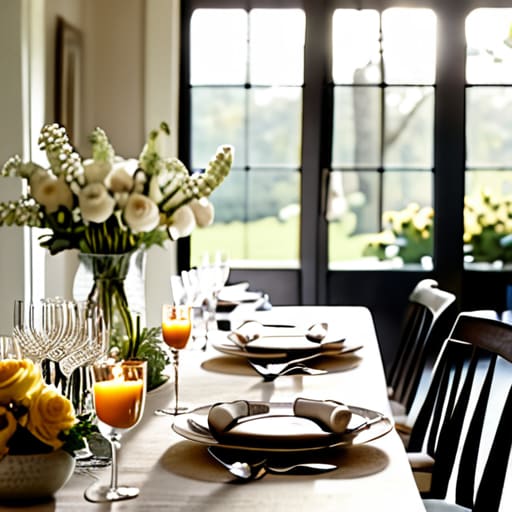
I still remember one of my first big catering gigs back in my twenties, standing in a massive, silent ballroom where the tables were set so perfectly you’d be afraid to even touch a fork. Everything was stiff, expensive, and—honestly?—completely soul-crushing. People were hovering around like they were afraid to break a rule, and the whole vibe felt more like a performance than a celebration. That’s when I realized that most of what we call party etiquette is actually just a fancy way of making people feel uncomfortable in your own home.
I’m not here to give you a lecture on which fork to use or how to bow to your guests. Instead, I want to share the real, down-to-earth rules of hosting that actually matter. I’m going to walk you through how to navigate the social side of things so you can focus on what really counts: good conversation and making sure everyone feels genuinely welcome. We’re ditching the stuffy traditions and focusing on meaningful connection instead. Let’s get your guest list ready and keep things low-stress.
Table of Contents
Mastering Rsvp Etiquette Rules Without the Social Anxiety
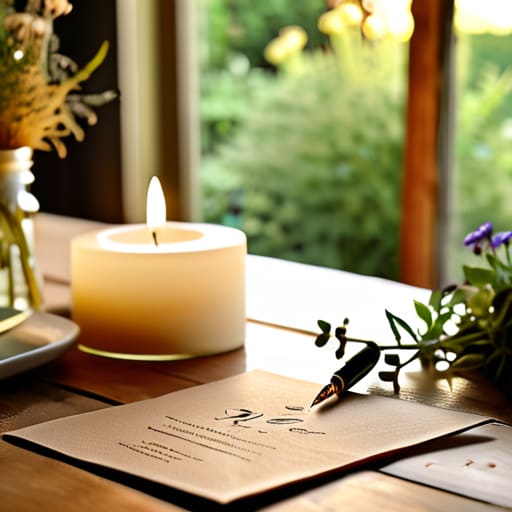
I know, I know—the little “RSVP” request on an invitation can feel like a heavy weight, whether you’re the one sending it or the one receiving it. I used to get such a knot in my stomach wondering if I was being too pushy by asking for a headcount, or if I was being rude by not responding fast enough. But honestly? Following basic RSVP etiquette rules is actually the kindest thing you can do for your host. It’s not about being stiff or formal; it’s about helping your friend not stress out about how much pasta to boil or how many chairs to pull up to the table.
When you’re the one planning, don’t be afraid to set a clear deadline. You aren’t being a “diva” by asking for a response by Friday; you’re just trying to keep your sanity intact! If you’re navigating more complex social graces for hosts, remember that a gentle, casual follow-up text is perfectly fine. A quick, “Hey! Just checking in so I can grab enough bubbly for everyone,” feels much more like “us” than a formal demand. It keeps the vibes light while getting you the info you actually need.
Simple Social Graces for Hosts Who Value Presence

Once you’ve moved past the stress of the guest list, it’s time to actually settle into the night. For me, the best part of any gathering isn’t the perfectly timed courses, but the way the energy shifts when everyone finally relaxes. I’ve learned that true social graces for hosts aren’t about following a rigid manual; they’re about making sure no one feels like an outsider. If you see someone hovering near the snack bowl alone, pull them into the fold. It’s much more important to be a warm presence than to be a perfect one.
I also find that people get so hung up on dinner party protocol—like which fork to use or exactly when to pour the wine—that they forget to actually enjoy themselves. My advice? Let the small stuff slide. If a glass breaks or the seating chart feels a little chaotic, just laugh it off. When you prioritize genuine connection over a flawless performance, your guests will feel that ease. At the end of the day, they won’t remember if the napkins matched your rug, but they’ll definitely remember how comfortable you made them feel.
Little Gestures That Make a Big Difference
- Be the person who actually shows up on time—or at least within the first thirty minutes. I know, I know, “fashionably late” is a thing, but if you’re the first one there, you might end up awkwardly staring at the host while they’re still finishing the appetizers.
- If you’re bringing a gift, don’t make it a chore for the host. A bottle of wine or a cute candle is lovely, but try to avoid anything that requires them to find a vase or a specific spot to display it immediately. Let them actually enjoy their own party!
- When it comes to food, just be upfront about your allergies or dietary needs early on. There is nothing worse than a host spending hours on a beautiful spread only to realize you can’t eat a single thing on the table. A quick text a few days before is a total lifesaver.
- Put the phone away. I’m not saying you can’t take one quick photo of the gorgeous table setting, but once the conversation starts flowing, try to keep that screen in your bag. Your friends will feel so much more seen when you’re actually looking at them.
- The “Exit Gracefully” rule is so underrated. You don’t need to make a grand announcement or disrupt the vibe, but a quick, private “thank you” to the host before you slip out goes such a long way. It lets them know you truly appreciated the effort they put in.
My Golden Rules for Keeping Things Chill
Focus on the vibe, not the perfection; if a candle blows out or you run out of ice, just laugh it off and keep the conversation flowing.
Prioritize your guests’ comfort over your decor; a cozy seat and a full drink mean way more than a perfectly symmetrical centerpiece.
Be a present host by actually sitting down to eat and chat, rather than spending the whole night hovering in the kitchen.
The Real Secret to Being a Good Guest
“Forget about memorizing a thousand tiny rules or worrying if you’re holding your fork the ‘right’ way. At the end of the day, the best kind of etiquette is just showing up with a warm heart, being present in the conversation, and making sure the host feels seen, not just served.”
Saoirse Mullan
At the End of the Night

At the end of the day, etiquette isn’t about memorizing a dusty rulebook or worrying if you’re using the right fork for your salad. It’s really just about being a decent human being and making sure everyone in the room feels seen. Whether you’re navigating the slightly awkward dance of RSVPing to a wedding or trying to stay present as a host instead of hovering over the snack tray, the goal is the same: connection. If you remember to be kind, be clear with your communication, and focus on the people rather than the perfection of the setup, you’ve already won. Don’t let the fear of a minor social slip-up keep you from inviting people into your home.
I want you to walk away from your next gathering feeling empowered, not exhausted. Please, let go of the pressure to host a Pinterest-perfect extravaganza. Your friends aren’t coming over to critique your table settings; they’re coming to see you, to laugh until their sides ache, and to share a moment of genuine warmth. If the lighting is a bit dim and the conversation flows easily, you’ve done your job perfectly. So, grab a glass of something tasty, dim those lights, and just be present. That is the best kind of etiquette there is.
Frequently Asked Questions
Is it okay to show up a little late to a casual house party, or should I try to be exactly on time?
Honestly, if it’s a casual house party, don’t stress about being perfectly on time. If you show up right at the start, you might actually catch the host mid-prep or still in their pajamas! Aiming for 15 to 30 minutes after the official start time is usually the sweet spot. It gives everyone a chance to settle in, and it takes the pressure off your host to be “performance-ready” the second the clock strikes.
How do I gracefully handle it if I realize I forgot to bring the bottle of wine I promised?
Honestly? Take a deep breath. It happens to the best of us! Don’t spend the whole night feeling guilty; that just kills the vibe. The best move is to own it with a laugh. “I am so sorry, I completely blanked on the wine!” Most friends won’t care. If you’re near a shop, a quick dash for a decent bottle is fine, but otherwise, just lean into the conversation and focus on being a great guest.
What’s the best way to leave a party early without making the host feel like I’m not having a good time?
Honestly, the “Irish Goodbye” is a lifesaver, but if you’re worried about hurting feelings, just keep it sweet and low-key. Don’t make a big, dramatic scene at the door—that actually draws more attention. Instead, catch the host for a quick, genuine moment. Tell them how much you loved the food or that specific song, give them a hug, and say you’ve got an early start tomorrow. Keep it brief, warm, and moving!
