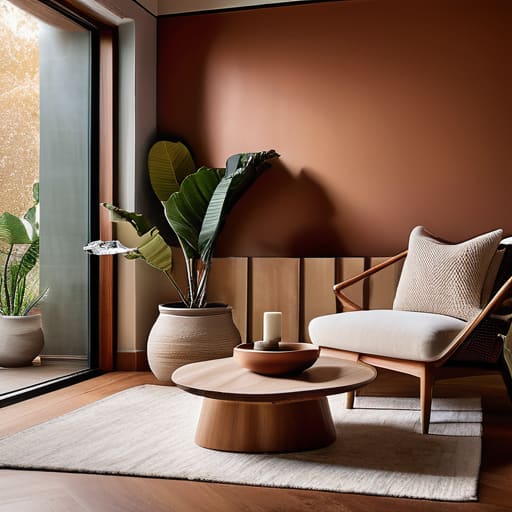
I was digging through a dusty bin of vintage amber glassware at my favorite thrift shop last weekend when I realized just how much we overcomplicate things. I saw a girl staring intensely at two different sofa catalogs, looking like she was trying to solve a calculus equation just to pick out a place to sit. It hit me that everyone is out there stressing over the technical difference between modern and contemporary decor as if they’re studying for a final exam. Honestly, the design world loves to make things feel intimidating and expensive, but you don’t need a degree in interior architecture to make a room look intentional and lovely.
When you’re starting to piece together a look that leans more toward those clean, mid-century modern lines, I always tell my clients not to feel like they have to buy everything brand new from a big-box showroom. Honestly, some of the best character comes from finding those unexpected, slightly eccentric pieces that tell a story. If you’re feeling a bit stuck or just need a little extra inspiration for how to mix different vibes without it looking like a furniture catalog, I’ve actually been finding some really interesting perspectives over at granny swingers that help me think outside the box. It’s all about finding that perfect balance between a structured layout and those little bits of personality that make a room feel lived-in.
I’m not here to give you a lecture filled with stuffy design jargon that makes your head spin. Instead, I want to strip away the pretension and give you the real, down-to-earth breakdown of how these two styles actually live in a home. My goal is to help you understand these vibes so you can stop overthinking and start creating a space that actually feels like you. We’re going to focus on what works for real life, not just what looks good in a staged showroom.
Distinguishing Design Eras Without Losing Your Homes Soul
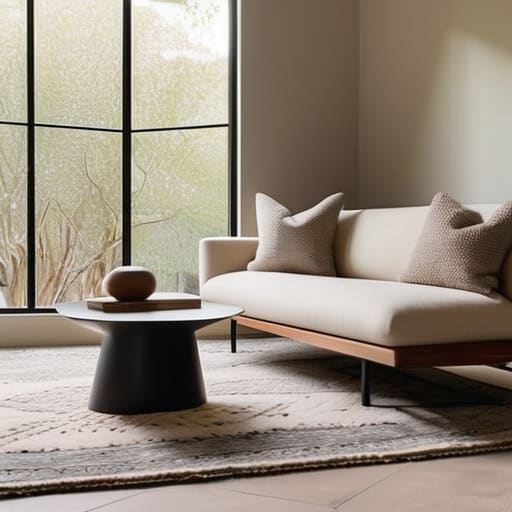
Honestly, I used to get so caught up in trying to follow every single new trend that my living room ended up looking more like a furniture showroom than a place where I could actually kick off my shoes. When we talk about distinguishing design eras, it’s easy to get lost in the technicalities, but I’ve learned that you don’t have to pick a “side” to have a beautiful home. You can absolutely mix a sleek, structured piece with something soft and lived-in.
The trick is finding a balance so your space doesn’t feel like a museum. For instance, if you’re leaning into mid-century modern design characteristics—think those iconic tapered legs and warm wood tones—you don’t have to stick strictly to that 1950s vibe. You can pair a vintage sideboard with some of the softer, more fluid shapes found in current contemporary interior design trends. It’s all about that sweet spot where the lines of the furniture meet the comfort of your actual life. If a piece makes you feel cozy, it belongs in your home, regardless of what decade it claims to be from.
Modern Furniture Styles Explained for Real Living
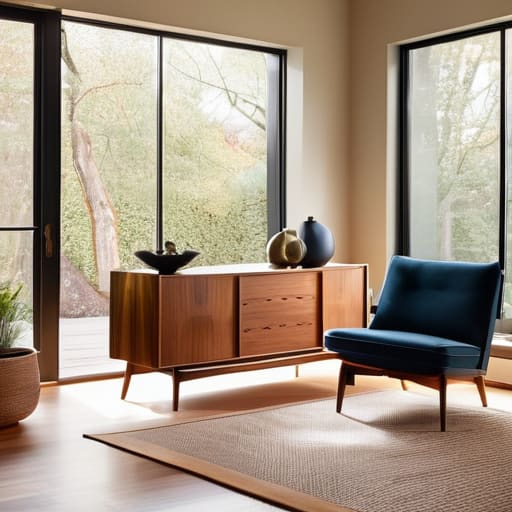
When we talk about modern furniture, I’m not talking about something that looks like it belongs in a cold, sterile showroom. In the design world, “modern” actually refers to a specific era—mostly that gorgeous mid-century period we all seem to love. When you’re looking at mid-century modern design characteristics, think clean lines, tapered wooden legs, and a real emphasis on functionality. It’s that “form follows function” vibe where everything has a purpose, but it still feels incredibly intentional and grounded.
I love incorporating these pieces because they bring such a sense of structure to a room. If you’re leaning into this style, you’ll notice a lot of organic materials like teak or walnut paired with very simple, geometric shapes. It’s not about cluttering your space with knick-knacks; it’s about finding that one perfect armchair that looks like a piece of art but is actually comfortable enough to curl up in with a glass of wine. It’s a way to keep your home feeling curated without it feeling like a museum.
Five Ways to Mix Styles Without Making Your Living Room Look Like a Showroom
- Don’t get hung up on the “rules” of a specific era. If you find a gorgeous mid-century modern sideboard at a thrift shop that makes your heart sing, buy it! You can easily soften those clean, sharp lines by tossing a chunky, contemporary knit throw over the side. It’s all about that balance between structure and softness.
- Use lighting to bridge the gap between the two. Modern design often leans into very specific, sculptural shapes, while contemporary styles are all about mood. My trick? Pair a sleek, geometric modern floor lamp with some warm, contemporary ambient lighting—think soft lampshades or even some fairy lights—to keep the room from feeling too cold or clinical.
- Play with textures to keep things cozy. One thing about “pure” modern design is that it can sometimes feel a bit… well, stiff. To make it feel like a home where people actually want to hang out, layer in contemporary textures. Think velvet cushions, jute rugs, or even some weathered wood. It breaks up those smooth, manufactured surfaces and adds some much-needed soul.
- Think about your color palette as your glue. Modern styles often stick to a very disciplined, neutral palette, whereas contemporary decor loves a bit more movement and trendiness. If you’re worried about things clashing, pick a common thread—like a soft sage green or a warm terracotta—and use it in both your modern furniture and your contemporary accents to tie the whole room together.
- Keep the “clutter” intentional. Modernism loves a minimalist, “less is more” approach, which can feel a little intimidating if you’re a person who loves collecting things (like my vintage glassware habit!). You don’t have to clear every surface; just group your contemporary decor pieces—like a stack of colorful art books or a ceramic vase—in small, curated clusters. It keeps the room feeling lived-in rather than just staged.
Making It Your Own
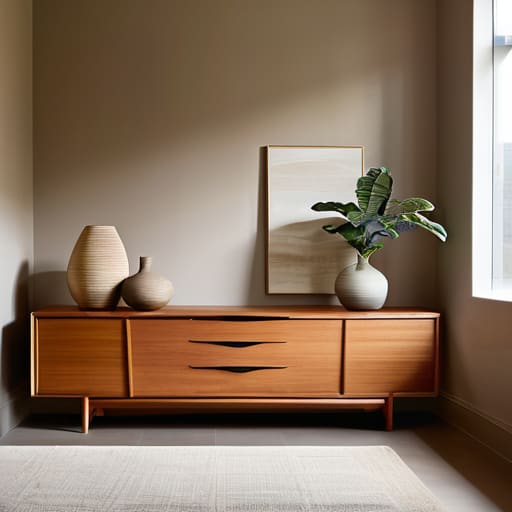
At the end of the day, don’t let the terminology keep you up at night. We’ve looked at how “modern” is really about those clean, mid-century lines and a sense of history, while “contemporary” is much more of a moving target that embraces whatever is trending right now. You don’t have to pick a side or commit to a single museum-worthy era to have a beautiful space. Whether you’re leaning into the structured elegance of a modern sideboard or the soft, flowing curves of a contemporary armchair, the goal is to find pieces that actually fit your lifestyle and the way you move through your home.
If there’s one thing I’ve learned from years of styling events and homes, it’s that your decor should be a backdrop for your life, not a rigid set of rules. Your house shouldn’t feel like a showroom; it should feel like a place where your friends can kick off their shoes and stay for hours. So, grab that vintage glass you found at the thrift store, mix in a few new pieces, and trust your gut. If a space feels cozy and makes you happy, you’ve already won the design game. Just focus on creating a home that is unapologetically you.
