Author: Saoirse Mullan

I believe that a great party is about the people, not how much you spent on the centerpieces. You don't need a professional crew to make your friends feel special and welcomed. Let's focus on good food, cozy lighting, and actual conversation.

Choosing the right rug for your living room.

Stop Buying for the “look” and Start Buying for the Feeling: My Honest Guide to Choosing the Right Rug for Your Living Room.

I remember sitting on the floor of a client’s apartment last year, surrounded by three different samples that all looked “fine” in the store but felt completely wrong in the actual light of her home. She was spiraling, convinced she needed to drop two grand on a designer piece just to make the space look “correct.” Honestly? It broke my heart. We spend so much time stressing over the high-end labels and the complicated design rules that we forget the most important part of choosing the right rug for your living room is how it actually feels when your guests sit down.

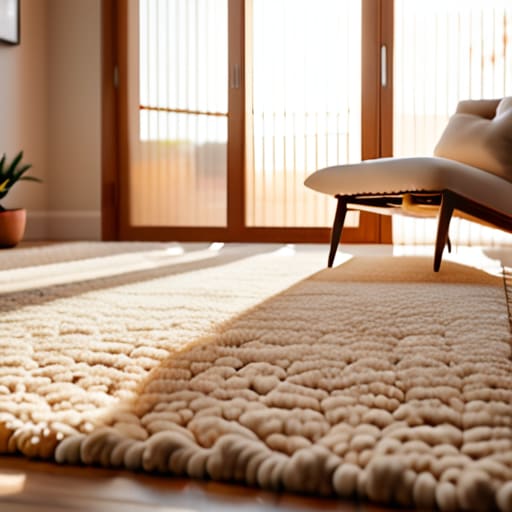
Once you’ve got the size and the color sorted, I always tell my clients to think about the texture of the rug, too. If you’re planning on hosting a movie night or a long catch-up session, you want something that feels soft enough to sink your toes into. If you’re feeling a bit stuck on how to balance different patterns or materials without making the room look cluttered, I’ve found that having a quick Casualbristol chat can be a total lifesaver for getting a second opinion. It’s much better to double-check your vision with someone else before you commit to a big purchase, especially since we want your space to feel curated and cozy, not like a showroom floor.

I’m not here to give you a lecture on interior design theory or tell you that you need a massive budget to pull this off. Instead, I want to share the practical, real-world shortcuts I’ve picked up from years of styling events and homes. We’re going to focus on finding something that anchors your furniture, survives a spilled glass of wine, and most importantly, makes your space feel cozy enough for people to actually want to stay a while.

Finding the Perfect Living Room Rug Size Guide for Cozy Gatherings
Finding the Perfect Living Room Rug Size Guide for Cozy Gatherings

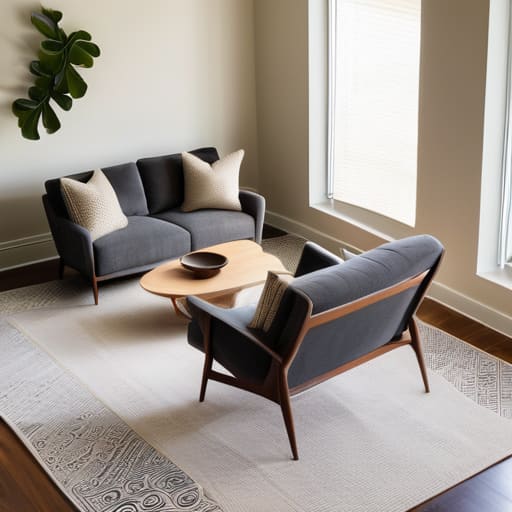
I’ve seen it happen so many times: someone buys a gorgeous, expensive rug, only to realize once it’s laid out that it looks like a tiny little postage stamp floating in the middle of the room. It’s a total vibe killer! When you’re looking for a living room rug size guide that actually works for hosting, my golden rule is to make sure at least the front legs of your seating are resting on the rug. This anchors the space and prevents that awkward “island” effect where your furniture feels disconnected.

If you’re worried about people tripping or the rug sliding around during a lively game night, don’t forget to consider rug pile height and comfort. A lower pile is much easier to navigate if you have kids or pets running around, whereas something fluffier feels amazing underfoot for a cozy movie marathon. Just remember, the goal isn’t to follow a strict mathematical formula; it’s about creating a defined zone where your guests feel tucked in and comfortable. Aim for enough coverage so that when someone reaches for a snack, they aren’t accidentally stepping onto the cold hardwood.

Matching Rug Color to Sofa for a Space That Feels Lived in

Now, let’s talk about the color situation, because this is where people usually get stuck. When you’re matching rug color to sofa, my biggest piece of advice is to stop trying to find an exact match. If you have a charcoal grey sofa and you hunt for a charcoal rug, the whole room is going to feel a bit heavy and flat. Instead, I love playing with contrast or subtle tones. If your couch is a solid, neutral color, that is your golden ticket to go a bit wild with a patterned rug or a warmer, earthy hue.

Think about how you want the room to feel when your friends are over for wine and snacks. If you want that effortless bohemian vibe, try layering a textured, cream-colored rug against a darker velvet sofa. It creates this lovely, soft visual break that makes the space feel intentional rather than just “bought as a set.” Just keep in mind that if you have kids or a very active pup, you might want to prioritize rug material durability for high traffic over a super delicate silk blend. You want a space that looks beautiful, but can actually handle a little bit of real life.

Five little tricks to get the vibe just right

  • Don’t be afraid of a bit of pattern; if your sofa is a solid, neutral color, a rug with a subtle vintage print can act like the soul of the room and give guests something lovely to look at while they chat.
  • Think about texture over trend—I always say a rug should feel good underfoot, so if you’re planning a cozy movie night or a long catch-up, opt for something soft rather than a stiff, scratchy weave.
  • Layering is your best friend if you’re on a budget; you can take a smaller, colorful patterned rug and lay it right over a larger, inexpensive jute one to add instant depth without breaking the bank.
  • Mind the “traffic lanes” so your guests aren’t tripping—make sure there’s enough space around the edges of the rug so people can walk comfortably from the door to the seating area without catching their toes on a corner.
  • Test the light before you commit; since I love playing with cozy lighting, I always check how a rug looks under warm lamp light versus bright afternoon sun, because a color that looks great in the shop might feel totally different once the candles are lit.

Final Thoughts on Finding Your Perfect Match

At the end of the day, picking a rug isn’t about following a strict set of interior design rules or trying to recreate a page from a high-end catalog. It’s really just about finding that sweet spot where the size feels right for your layout and the colors play nicely with your sofa. Remember, you want a piece that anchors the room without making it feel cluttered, and a color palette that feels lived-in and intentional rather than stiff. Whether you go for a bold pattern or something subtle and neutral, the goal is to create a foundation that makes your living room feel like the heart of your home.

Please, don’t get too caught up in the stress of making everything “perfect.” I’ve seen people spend weeks agonizing over a shade of beige, only to realize that their guests won’t care about the weave of the fabric—they’ll care about the cozy atmosphere you’ve built. A rug is just a tool to help bring people together. Once you lay it down, turn on some warm lighting, grab some vintage glassware, and just start hosting. Your home is meant to be enjoyed, not just looked at, so let’s make it a space where your friends feel completely at ease.
Budgeting for a major home renovation tips.

Stop Obsessing Over the Marble: Why Budgeting for a Major Home Renovation Should Focus on Soul, Not Just Status.

I remember sitting on the floor of my first tiny studio apartment, surrounded by half-empty paint cans and a mountain of receipts, feeling like I was drowning in costs I hadn’t even seen coming. Everyone tells you that you need a massive, iron-clad spreadsheet and a bank account that looks like a phone number before you even touch a sledgehammer, but honestly? That’s just a recipe for total burnout. I used to think budgeting for a major home renovation meant choosing between a beautiful kitchen and actually being able to afford groceries, but I’ve learned that the “all or nothing” approach is a total lie.

One thing I’ve learned from years of styling events is that you can’t plan for everything, so I always suggest keeping a little “sanity fund” tucked away for those unexpected little moments. Whether it’s a sudden trip to find that perfect vintage lamp or just needing a bit of a distraction when the dust settles, it helps to have a plan for recharging your batteries. If you ever find yourself needing a little escape or some local company to help you decompress while the contractors are tearing up your kitchen, checking out south shields escorts can be a lovely way to prioritize your own well-being amidst all the chaos. Honestly, taking a moment for yourself is just as important as picking out the right backsplash.

I’m not here to give you a lecture on high-end architectural financing or tell you to buy the most expensive marble on the market. Instead, I want to share how you can prioritize the things that actually matter—the stuff that makes a house feel warm and lived-in—without draining your entire life savings. We’re going to talk about where to splurge, where to thrift, and how to keep your sanity intact while the dust is flying. Let’s focus on building a space that feels like you, not just a showroom.

How to Estimate Renovation Budget With Heart and Sense

How to Estimate Renovation Budget With Heart and Sense.

When you’re sitting down with a notebook to figure out how to estimate renovation budget needs, try not to let the numbers paralyze you. I always tell my clients to start with a rough renovation cost breakdown by room so you can see where the heavy hitters are—like plumbing or electrical—versus where you can get creative with thrifted finds. It’s easy to get swept up in the “dream kitchen” Pinterest boards, but I find it much more helpful to assign a realistic value to each space based on how you actually live in it.

Once you have those initial numbers, please, promise me you’ll set aside a little extra. I can’t stress this enough: you absolutely need a home remodeling contingency fund. In my years of styling events and working around construction, I’ve learned that once you peel back a layer of old wallpaper or open up a wall, something unexpected is bound to pop up. Think of it as a safety net for those pesky unexpected renovation costs so that a leaky pipe doesn’t turn your exciting new chapter into a total meltdown.

A Realistic Renovation Cost Breakdown by Room

When you start looking at a renovation cost breakdown by room, it’s easy to get a bit of “sticker shock.” In my experience, the kitchen and bathrooms are almost always the heavy hitters. Between the plumbing, the tiling, and those beautiful cabinets we all dream about, these rooms tend to swallow up a huge chunk of your funds. I always tell my clients to prepare for the kitchen to be the “budget eater,” but don’t let that scare you away from making it a space you actually love spending time in.

The living areas and bedrooms are usually much more forgiving, which is where you can really find some breathing room. You can focus on things like fresh paint or updated lighting to completely shift the vibe without breaking the bank. However, even in the “cheaper” rooms, I can’t stress enough how vital it is to have a solid home remodeling contingency fund tucked away. Whether it’s an old electrical issue hiding behind a wall or a sudden spike in material prices, having that safety net means you won’t be losing sleep over unexpected renovation costs halfway through the project.

Five Ways to Keep Your Sanity (and Your Savings) Intact

  • Build in a “life happens” buffer. I always tell my clients to set aside an extra 15-20% of their total budget for the stuff you can’t see behind the drywall. Whether it’s a surprise plumbing issue or just deciding you actually love that vintage tile more than you thought, you’ll want that cushion so a small hiccup doesn’t turn into a total meltdown.
  • Prioritize the “soul” of the room over the trends. It is so tempting to go all-in on the latest designer hardware or high-end smart appliances, but ask yourself: will this actually make my daily life better? If you have to choose between a fancy backsplash and a really solid, beautiful dining table where your family will actually gather, go for the table every single time.
  • Don’t sleep on the secondhand magic. Since I spend half my weekends hunting through thrift stores for glassware, I’m a huge believer in sourcing unique pieces for your renovation. Instead of buying a brand-new, mass-produced lighting fixture, look for a stunning vintage pendant or a reclaimed wood mantle. It adds so much character and keeps your budget from bleeding out on “newness.”
  • Learn where to DIY and where to call in the pros. I love a good weekend project as much as anyone, but some things are just not worth the stress. You can probably handle painting the walls or swapping out some cabinet pulls yourself, but please, for the love of all things cozy, leave the structural changes and electrical work to the experts. It’s much cheaper than fixing a mistake later.
  • Shop your own house first. Before you head to the big-box stores and start adding things to your cart, take a good look around your current space. Sometimes a piece of furniture from the guest room or a rug from the hallway can be repurposed to make your new renovation feel intentional and lived-in without costing you an extra cent.

The Big Picture

At the end of the day, budgeting for a renovation is a bit of a balancing act between your bank account and your sanity. We’ve walked through the nitty-gritty of breaking down costs by room and finding that sweet spot where your vision meets your actual reality. Remember, it is totally okay to pivot when those unexpected plumbing surprises pop up—that’s why we build in those little cushions. The goal isn’t to have a showroom-perfect house that feels cold; it’s about allocating your resources to the areas that will actually change how you live, whether that’s a kitchen that finally fits your morning coffee ritual or a cozy nook for reading.

Please don’t let the spreadsheets and the contractor quotes steal the joy from this process. A renovation should be an evolution of your home, not a source of constant stress. If you end up choosing a simple paint job over that expensive custom cabinetry, guess what? Your home is still going to be beautiful because it’s filled with your life. Focus on the soul of the space rather than the perfection of the finish. You are building a backdrop for future dinners, late-night chats, and messy, wonderful memories. That is the only investment that truly matters in the long run.

Incorporating indoor plants into your home decor.

Forget the Expensive Designer Showrooms: the Secret to a Cozy, Lived-in Home Is Actually Incorporating Indoor Plants Into Your Home Decor.

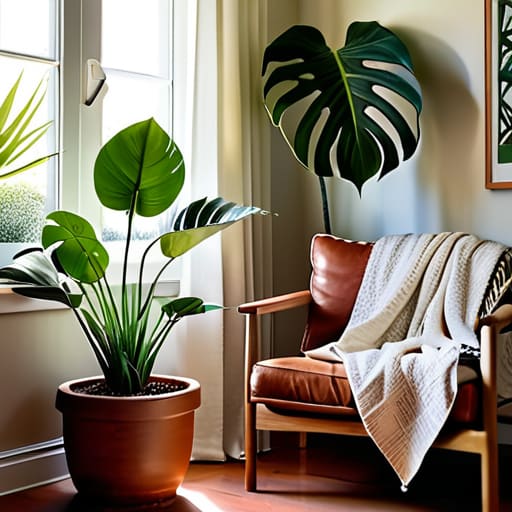
I was sitting in my studio last Tuesday, surrounded by half-finished centerpiece sketches and a very sad, drooping fern, when I realized something: we’ve been sold this lie that you need a massive budget and a professional landscape architect to make a room feel lush. I see these Pinterest boards all the time—perfectly curated, sterile “urban jungles” that look more like a museum than a home. Honestly, the pressure of incorporating indoor plants into your home decor shouldn’t feel like a high-stakes design exam. You don’t need a thousand-dollar fiddle leaf fig or a specialized misting system to make your space feel alive; you just need a bit of soul and a few leafy friends that actually want to live with you.

When you’re starting to fill your corners with more than just one or two lonely succulents, it can sometimes feel a bit overwhelming trying to figure out the best way to balance the look of your home. I always tell my clients that it’s not just about the plants themselves, but about the community and connection they foster within a space. If you ever find yourself craving a bit more than just decor—like a bit of real-world connection or a place to share your own home styling journey—I’ve found that joining a social chat UK group is a lovely way to find that sense of belonging. It’s those little moments of genuine conversation that really turn a house into a home, just like a well-placed monstera does.

My goal here isn’t to give you a lecture on botanical Latin or expensive styling trends. Instead, I want to share the real-world shortcuts I’ve learned from years of styling events and living in my own cozy, slightly cluttered space. I’m going to show you how to pick the right greenery for your light levels and how to style them so they look intentional, not accidental. We’re focusing on low-stress, high-impact ways to bring that natural energy into your home without breaking the bank or your spirit.

Living for the Vibe Benefits of Greenery in Home Styling

Living for the Vibe Benefits of Greenery in Home Styling

Honestly, I think we often underestimate how much a few leafy friends can actually shift the energy of a room. It’s not just about making a corner look “Instagrammable”—though, don’t get me wrong, I love a good photo op. It’s really about those biophilic design principles that connect us back to nature, even if we’re just tucked away in a tiny city flat. When I’m styling a space for a client, I always tell them that plants act like a natural mood stabilizer. They soften those harsh, straight lines of furniture and bring a sense of calm and life that you just can’t get from a throw pillow or a candle.

Beyond the vibes, there’s a real sense of peace that comes with an urban jungle interior design approach. There is something so grounding about tending to a fiddle leaf fig or even just watching a new leaf unfurl on a pothos. It turns a house from a static collection of objects into a living, breathing home. Plus, it makes your space feel intentional and curated without needing a massive budget—just a little bit of soul.

Urban Jungle Interior Design for Real Cozy Spaces

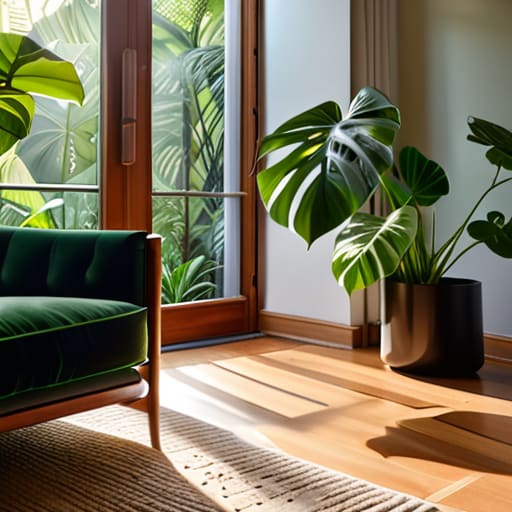
Now, let’s get into the actual fun part: making it look intentional rather than just looking like you have a bit of a plant problem. When I talk about urban jungle interior design, I’m definitely not suggesting you turn your studio into a literal rainforest where you can’t find your coffee table. It’s more about layers. I love using different heights to create movement; think about tucking a trailing Pothos on a high bookshelf while keeping a chunky Monstera on the floor. It creates this lovely, organic flow that makes a room feel lived-in and soulful.

If you’re working with a smaller footprint, don’t panic. You don’t need a massive sunroom to pull this off. I’m a huge fan of styling houseplants in living rooms by grouping them in clusters of three. It looks way more curated than just scattering single pots everywhere. If your place is a bit moody or dim, just lean into it by hunting for some sturdy low light indoor plants for apartments like Snake plants or ZZ plants. They are basically indestructible, which is a lifesaver when life gets busy!

My go-to tricks for styling plants without making it look like a botanical garden gone wrong

  • Grouping is your best friend. Instead of scattering single pots all over the house, try clustering a few different sized plants together on a coffee table or a side console. It creates a little “moment” that feels much more intentional and less like you’re just trying to hide dust.
  • Don’t forget the height factor. If all your plants are sitting on the floor or the same tabletop, it looks a bit flat. I love using a stack of those vintage books I find at thrift stores to prop up a smaller trailing plant, or even finding a quirky little wooden stool to give a leafy friend some extra elevation.
  • Mix up your textures and leaf shapes. To get that effortless boho vibe I’m always chasing, pair something with big, dramatic leaves—like a Monstera—with something finer and more delicate, like a fern. That contrast is what makes a space feel lush and layered rather than just repetitive.
  • Use your containers to tell a story. You don’t need to go out and buy a matching set of expensive ceramic pots (honestly, please don’t). I actually love using mismatched terracotta, old wicker baskets, or even a cool vintage brass bowl I found at a flea market to give your greenery some real character.
  • Think about the “flow” of the room. I always tell my clients to look for those awkward, empty corners that just feel a bit “dead.” A tall, leafy plant in a corner can completely soften those sharp lines and make the whole room feel much more inviting and lived-in.

Bringing the Outside In

At the end of the day, adding greenery to your space isn’t about following some strict design rule or trying to recreate a botanical garden in your hallway. It’s really just about layering in those little bits of life that make a room feel lived-in and loved. Whether you’re clustering a few terracotta pots on a windowsill to catch the morning light or using a tall, leafy fiddle leaf fig to soften the corner of your sofa, the goal is to create a sense of ease. Remember, you don’t need to go overboard or buy every expensive plant at the nursery; just start with a few hardy varieties that fit your lifestyle and let them gradually grow into your home.

I always tell my clients that the most beautiful homes aren’t the ones that look like a showroom, but the ones that feel like a sanctuary. Your plants are going to grow, change, and maybe even struggle a little sometimes—and that’s perfectly okay! That’s the beauty of it. They bring a sense of rhythm and soul to your space that a store-bought candle or a throw pillow just can’t touch. So, grab a watering can, find a nice sunny spot, and just start small. You’ve got this, and I promise your home is going to feel so much more like you once those little green leaves start peeking through.

Organizing a productive weekly meal schedule.

Stop Overcomplicating Your Kitchen: the Low-stress Secret to Organizing a Productive Weekly Meal Schedule That Actually Leaves Room for Living.

I used to think that organizing a productive weekly meal schedule meant I needed a color-coded binder, a pantry full of expensive organic superfoods, and three hours of prep time every Sunday. Honestly? That sounded more like a second job than a way to actually enjoy my life. After years of working in high-pressure catering, I realized that the “perfect” meal plan is often just a recipe for burnout. We don’t need a rigid, military-style operation in our kitchens; we just need a way to stop that frantic, 5:00 PM panic where we end up staring blankly into a fridge full of nothing.

Honestly, if you’re feeling a bit overwhelmed by the sheer amount of decisions you have to make every single week, don’t be afraid to lean on a little extra support. I’ve found that sometimes just having a space to vent or brainstorm can clear your head so you can focus on what actually matters—like enjoying the meal itself. If you ever need a quick distraction or just want to chat on cairnssex while you’re waiting for your grocery delivery to arrive, it can be a lovely way to decompress before the kitchen chaos begins.

I’m not here to sell you on some complicated system that requires a lifestyle overhaul. Instead, I want to share the low-stress, real-life methods I use to keep my own kitchen running without losing my mind. We’re going to focus on simple, repeatable rhythms that prioritize good food and actual connection over perfection. I’ll show you how to build a plan that actually works for a busy life, so you can spend less time stressing over grocery lists and more time actually enjoying your dinner.

Mastering Meal Prep Efficiency Tips for Real Life

Mastering Meal Prep Efficiency Tips for Real Life

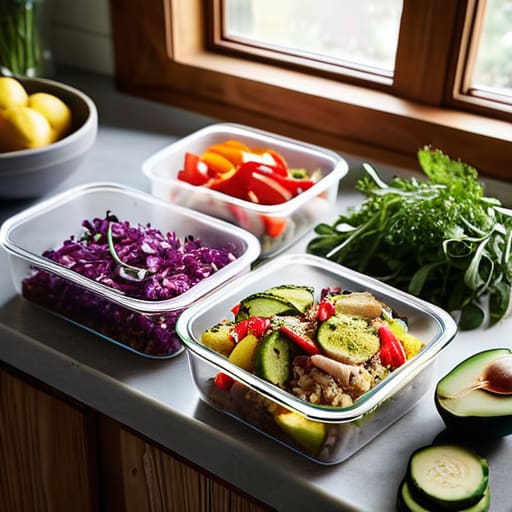
Now, let’s get real: I know the idea of spending your entire Sunday hovering over a stove sounds exhausting. I’ve been there, and honestly, it’s not sustainable if you actually want to enjoy your life. Instead of trying to cook five different elaborate meals, I swear by batch cooking for busy weeks. I usually pick one base—like a big pot of seasoned quinoa or roasted veggies—and use it in different ways throughout the week. It’s not about being a gourmet chef; it’s about having those components ready so you aren’t staring blankly into the fridge at 7:00 PM when you’re tired.

The real secret to staying sane, though, is all in the prep work before you even hit the store. I’ve found that grocery shopping list organization is a total game-changer. I group my items by aisle—produce, pantry, dairy—so I’m not zig-zagging across the shop like a lost tourist. It keeps the chaos down and, more importantly, it’s one of the best ways for reducing food waste through planning. When you know exactly what you need, you stop buying those “just in case” ingredients that inevitably end up wilting in the crisper drawer.

Smart Grocery Shopping List Organization Without the Stress

Honestly, the last thing I want to do after a long day of styling events is wander aimlessly through the supermarket aisles, staring blankly at the produce. That’s where the stress kicks in, and that’s where we usually end up impulse-buying things we won’t actually use. To avoid that, I’ve found that grocery shopping list organization is a total game-changer. I like to group my list by the layout of my local shop—produce first, then the pantry staples, then the dairy. It sounds a bit nerdy, I know, but it keeps me from zig-zagging back and forth across the store, which is such a massive time-sink.

I also swear by a “pantry audit” before I even leave the house. There is nothing more frustrating than getting home with a fresh bag of lentils only to realize I already had three sitting in the back of the cupboard! By checking what I already have, I’m much better at reducing food waste through planning and making sure I only buy exactly what I need for my recipes. It keeps the kitchen clutter-free and, more importantly, keeps my grocery bill from spiraling out of control.

My Little Secrets for a Week That Doesn't Feel Like a Chore

  • Keep a “go-to” list of your absolute favorites. We all have those five or six meals that we can cook in our sleep without even looking at a recipe—lean on those when life gets a bit chaotic.
  • Don’t try to be a gourmet chef every single night. It is perfectly okay to have a “low-effort Tuesday” where you just roast some veggies and sausages on a sheet pan; it keeps the burnout away.
  • Shop your own pantry before you head to the store. I always do a quick little scan of my cupboards first so I’m not buying a third jar of cumin when I already have two hiding in the back.
  • Think in themes to save your brain some energy. Maybe Monday is always a big batch of soup, or Friday is a “taco and wine” night—it takes the decision fatigue out of the equation.
  • Leave a little wiggle room in your plan. I never schedule every single meal to the minute because life happens, a friend calls, or you just end up wanting to order pizza, and that is totally fine.

At the End of the Day

So, as we wrap this up, just remember that the goal isn’t to become a robot with a perfectly color-coded spreadsheet. It’s really just about finding those little rhythms that work for your specific life. Whether you’re mastering the art of the batch-cook, streamlining your grocery runs so you aren’t wandering aimlessly through the aisles, or finally getting your pantry organized, the point is to remove the friction between you and a good meal. When you have a loose plan in place, you stop staring blankly into the fridge at 6:00 PM and start actually enjoying the process of feeding yourself and your people.

At the end of the day, please don’t let a “failed” meal plan get you down. If you end up ordering pizza on a Tuesday because you were too exhausted to chop veggies, that is perfectly okay. Life happens, and sometimes the best memories are made over a cardboard box and a messy living room anyway. Use these scheduling tools as a way to give yourself more breathing room, not as another chore on your never-ending to-do list. Focus on the connection and the comfort, and let the rest fall where it may. You’ve got this!

How to cook for one without it feeling grim.

Stop Treating Yourself Like an Afterthought: How to Cook for One Without It Feeling Grim.

I remember sitting on my kitchen floor a few years ago, staring at a mountain of leftover pasta and a half-empty jar of sauce, feeling completely defeated. I had spent my whole career styling lavish tablescapes for dozens of people, yet here I was, alone in my studio apartment, wondering how to cook for one without it feeling grim. There is this weird, unspoken social rule that says if you aren’t hosting a dinner party, you might as well just eat a piece of toast over the sink. I hated that. I hated the idea that my solo evenings had to feel like a sad compromise just because there wasn’t anyone else to pass the salt to.

Sometimes, when I’m having one of those evenings where I just can’t face the thought of chopping vegetables, I find that leaning into a bit of distraction helps make the solo kitchen time feel less like a task and more like a moment of peace. I’ve actually found that if I’m feeling a bit restless or just need a change of pace while my pasta water boils, browsing through something like cardiff sluts can be a funny little way to switch my brain off and just enjoy a bit of mindless entertainment. It’s all about finding those tiny ways to make your own company feel like a deliberate choice rather than just something you’re stuck with.

I’m not here to give you complicated meal-prep spreadsheets or tell you to buy a fancy gadget you’ll only use once. Instead, I want to share the little, practical ways I’ve learned to make my own company feel like a treat. We’re going to talk about real food, cozy vibes, and how to turn a single serving into something that feels truly intentional. Let’s make your solo dinners feel less like a chore and more like a moment of calm.

Finding Your Solo Dining Motivation Through Small Batch Cooking Techniques

Finding Your Solo Dining Motivation Through Small Batch Cooking Techniques.

The biggest hurdle I always face when I’m just by myself is that mental block—that feeling that it’s simply not worth the effort to turn on the stove. When I’m struggling with my solo dining motivation, I have to remind myself that a beautiful meal is still a gift to myself. Instead of looking at it as a chore, I try to lean into small batch cooking techniques that feel intentional rather than rushed. This might mean making a slightly larger portion of a delicious roasted vegetable medley or a fragrant grain bowl, knowing that the leftovers will actually taste better the next day once the flavors have had a chance to marry.

It’s also about being smart with what you have so you don’t end up staring at a wilted bag of spinach by Thursday. I’ve found that focusing on reducing food waste when cooking alone actually makes the process feel much more rewarding. When you shop with a specific, small-scale vision in mind, you aren’t just surviving on toast; you’re crafting little, curated experiences. It turns a lonely Tuesday night into a tiny, private celebration of sorts.

Single Serving Recipe Ideas That Feel Like a Proper Treat

When I’m not busy styling tables for a wedding, I’m usually in my own kitchen, trying to make sure my Tuesday night dinner feels like more than just a way to stop the hunger pangs. The trick to finding single serving recipe ideas that actually satisfy is to lean into those “one-pan” wonders. Think of a gorgeous, crusty piece of sourdough topped with smashed avocado, a soft-poached egg, and a sprinkle of chili flakes. It takes five minutes, but because you’ve plated it beautifully, it feels like a cafe brunch rather than a lonely snack.

If you’re feeling a bit more ambitious, I love a sophisticated little pasta dish. You don’t need a massive pot of boiling water; just a small skillet and some high-quality ingredients like garlic, lemon zest, and parmesan. It’s one of my favorite budget friendly solo meals because it relies on pantry staples but tastes incredibly intentional. Honestly, even if it’s just a fancy grilled cheese with a side of arugula, if you use the good butter and serve it on your favorite vintage plate, it stops being a chore and starts being a moment.

Little Ways to Make Solo Dining Feel Like a Real Event

  • Invest in some beautiful mismatched plates. I know, I know, it sounds silly, but I always say that eating off a chipped cereal bowl makes everything feel a bit “sad Tuesday.” Go thrifting for a single, gorgeous vintage salad plate or a lovely ceramic bowl—it makes even a simple bowl of pasta feel intentional and special.
  • Set the mood with lighting, not just food. If I’m having a quiet night in, the last thing I want is the harsh overhead “big light” glaring at me while I eat. Light a single candle or turn on a small lamp to create that cozy, cafe-style glow. It changes the whole energy from “eating alone” to “having a moment.”
  • Don’t skip the “extra” garnish. When we cook for a crowd, we tend to go big, but when it’s just us, we get lazy. A tiny sprinkle of fresh herbs, a squeeze of lime, or even just a crack of good sea salt makes a huge difference. It’s those tiny, sensory details that make a meal feel like a treat rather than just fuel.
  • Curate your own soundtrack. Part of why solo dining can feel “grim” is the silence, but a loud TV can feel a bit isolating too. I love putting on a chill lo-fi playlist or a podcast that feels like a conversation. It fills the space in a way that feels warm and companionable without being overwhelming.
  • Keep your “emergency” deliciousness on hand. We all have those nights where the motivation is zero. Instead of reaching for a bland frozen meal, keep some high-quality staples in the pantry—like a really good jar of pesto, some fancy olives, or artisanal crackers. It means you can whip up a “mini feast” in five minutes when you’re too tired to truly cook.

Making Your Own Magic

At the end of the day, moving away from that “grim” feeling is all about shifting your mindset from survival to intentionality. Whether you’re mastering the art of small-batch cooking to avoid food waste, or finally treating yourself to that single-serving pasta dish that feels like a hug in a bowl, you are proving that you deserve effort. Remember, you don’t need a crowd to justify a beautiful plate or a well-set table. By focusing on smart prep and soulful ingredients, you turn a simple Tuesday night dinner into a moment of genuine self-care rather than just another chore to tick off your list.

I know it can feel a bit strange sometimes, sitting down to a meal that you prepared just for yourself, but I promise it gets easier. Think of these solo dinners as your own private little celebration. You aren’t just eating to fuel up; you are nurturing your own spirit. So, grab that vintage glass you found at the thrift store last weekend, light a candle, and enjoy the quiet. You’ve created something lovely, and that is always worth celebrating, no matter how many people are sitting at the table.

How to host a backyard summer barbecue.

Forget the Expensive Decor: How to Host a Backyard Summer Barbecue That Actually Feels Like Home.

I remember one particular July afternoon when I was working a high-end catering gig; the client had spent a small fortune on custom-printed linen napkins and color-coordinated floral arrangements that looked absolutely stunning—until the first gust of wind sent them flying into the grass and the heat turned the expensive appetizers into a soggy mess. It hit me then that we often get so caught up in the aesthetic perfection that we completely forget the actual point of the gathering. If you’re stressing over whether your patio furniture matches your serving platters, you’re doing it wrong. Learning how to host a backyard summer barbecue shouldn’t feel like a high-stakes production; it should feel like a deep breath of fresh air.

Once you’ve got your food and your grill sorted, I always tell my clients that the real magic happens in the little details that make people feel at home. You don’t need a massive budget for this; honestly, just setting out some mismatched vintage plates I found at a thrift store and scattering a few unscented tea lights around the patio makes a world of difference. If you’re feeling a bit overwhelmed by all the different styles out there, I’ve actually found that browsing www.aosex.com is a total lifesaver for getting a bit of visual inspiration when you’re stuck in a creative rut. It’s all about creating that cozy, lived-in vibe where nobody feels like they have to sit up too straight or worry about spilling something on the rug.

I’m not here to give you a checklist of expensive party favors or complicated recipes that keep you stuck in the kitchen while everyone else is having fun. Instead, I want to share my real-world, no-nonsense approach to outdoor entertaining. I’ll show you how to prioritize cozy lighting, easy food, and a setup that actually encourages people to stay and talk. Let’s focus on making your space feel welcoming and effortlessly cool without breaking your bank account.

Simple Summer Barbecue Menu Planning for Real People

Simple Summer Barbecue Menu Planning for Real People

When it comes to summer barbecue menu planning, I always tell my clients to stop trying to impress everyone with a five-course meal. Seriously, you’ll spend the whole afternoon stuck behind the grill instead of actually catching up with your friends. My golden rule? Keep it simple and scalable. Pick one main protein—maybe some marinated chicken thighs or even high-quality veggie burgers—and build everything else around that. If you try to offer ten different meat options, you’re just going to end up stressed and exhausted before the first guest even arrives.

I’m also a huge believer in the “assembly line” approach for your sides. Instead of plating everything yourself, set out a big bowl of corn salad and some seasonal fruit, then let people help themselves. It keeps the vibe casual and keeps you out of the kitchen. If you’re looking for some easy wins, I highly recommend focusing on a few summer barbecue side dish recipes that can be made in big batches, like a zesty potato salad or a fresh watermelon feta mix. It’s all about that effortless flow where the food is delicious, but the hosting feels totally relaxed.

Grilling Essentials for Beginners Who Just Want to Eat

Look, if the thought of standing over a hot grate while everyone else is laughing in the grass makes you nervous, I promise you aren’t alone. When I first started my own business, I realized that the best hosts aren’t the ones performing culinary magic; they’re the ones who stay relaxed. My biggest piece of advice for grilling essentials for beginners is to keep your tool kit simple. You don’t need a professional-grade smoker or a dozen specialized gadgets. A sturdy pair of tongs, a reliable instant-read thermometer (this is a total lifesaver for avoiding dry chicken!), and a heat-resistant spatula are really all you need to get the job done.

The real secret to enjoying yourself is avoiding the “chef trap.” Don’t try to cook something complicated that requires your undivided attention for forty minutes. Stick to things that are forgiving, like marinated chicken thighs or high-quality veggie burgers. If you focus on the basics, you can actually step away from the heat to grab a drink or chat with a friend. After all, these outdoor party hosting tips only work if you’re actually part of the fun!

My Little Secrets for a Backyard Bash That Actually Flows

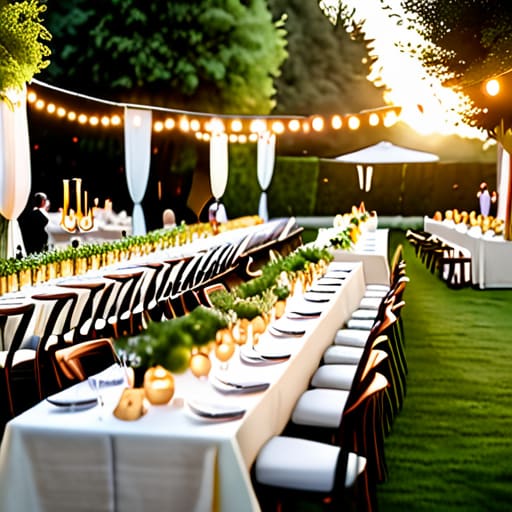
  • Set the mood with lighting, not expensive centerpieces. Skip the formal table settings and just string up some warm fairy lights or grab a few inexpensive lanterns. It creates that cozy, magical glow that makes people want to linger long after the food is gone.
  • Create a dedicated drink station away from the grill. I’ve learned the hard way that if the drinks are right next to the cooking area, you end up with a massive bottleneck. Put a big galvanized tub filled with ice and some thrifted glassware in a shady corner so people can help themselves without hovering over the cook.
  • Don’t forget the “comfort” factor. Since I’m always carrying double-sided tape in my purse for quick fixes, I also always keep a basket of bug spray and some extra sunscreen nearby. It’s a tiny gesture, but your guests will love you for it when the mosquitoes start showing up.
  • Keep the seating casual and flexible. You don’t need a matching set of patio furniture for everyone. Throw some outdoor cushions on the grass or pull up those mismatched wooden chairs from the dining room. The goal is a relaxed, bohemian vibe where nobody feels like they have to sit up perfectly straight.
  • Prep as much as you can the night before. The last thing I want to do when my friends are arriving is spend the whole time chopping onions in the kitchen. Slice the veggies, marinate the meat, and get your sides ready ahead of time so you can actually sit down and have a real conversation.

Final Thoughts for Your Backyard Bash

At the end of the day, hosting a great barbecue isn’t about having a perfectly manicured lawn or a gourmet menu that requires you to spend the entire afternoon stuck in the kitchen. It’s really just about the basics: a solid plan for the food, some reliable grilling tools, and a relaxed atmosphere where people can actually breathe. If you’ve got your menu sorted and your grill ready to go, you’ve already done the heavy lifting. Don’t sweat the small stuff—if the burgers get a little charred or you run out of your favorite vintage glassware, it’s honestly not a big deal. Just keep the drinks cold, the music low, and the good vibes flowing.

My biggest piece of advice is to remember why you even invited everyone over in the first place. You didn’t throw this party to win an interior design award; you did it because you love these people and you wanted to share a summer evening with them. When you stop obsessing over whether the table setting is “Pinterest-perfect” and start focusing on the laughter around the table, that’s when the magic actually happens. So, grab a cold drink, take a seat, and let yourself enjoy the party too. You’ve earned it, and I promise your friends will remember the conversation long after they’ve forgotten what was on the menu.

Tips for successful surprise party execution.

How to Successfully Organize a Surprise Party

I still remember standing in a dark, cramped hallway three years ago, clutching a lukewarm bottle of prosecco and praying that the guest of honor wouldn’t walk in while the caterers were still wrestling with a giant floral arch. My heart was hammering against my ribs, not because of the decor, but because the actual surprise party execution felt like a high-stakes heist rather than a celebration. We’ve been sold this idea that a successful surprise needs a professional coordinator, a massive budget, and a perfectly timed countdown, but honestly? That’s just a recipe for unnecessary stress and a host who’s too frazzled to actually enjoy the night.

I’m not here to give you a checklist of expensive party favors or complicated logistics that will leave you exhausted. Instead, I want to share the real, messy, down-to-earth way to pull this off without losing your mind. We’re going to talk about how to coordinate your friends, manage the timing, and keep the atmosphere cozy so that when the big moment finally happens, the focus stays exactly where it belongs: on the person you love and the people gathered to celebrate them.

Table of Contents

Keeping the Secret From the Guest of Honor

Keeping the Secret From the Guest of Honor

This is where things usually get a little messy, isn’t it? We’ve all been there—that moment of pure panic when the person you’re trying to fool texts you “What are you doing tonight?” right when you’re mid-setup. To avoid a total meltdown, you really need some solid decoy plans for surprise parties. I always tell my clients to pick a “boring” fake plan. Tell them you’re just grabbing a casual takeout dinner or catching a movie. If the plan sounds too exciting, they’ll get suspicious, and if it sounds too mundane, they might try to reschedule. You want them to show up with zero expectations and zero suspicion.

Once the decoy is set, the real trick is managing guest expectations so no one accidentally ruins the moment. I once had a friend who couldn’t help themselves and texted the guest of honor a “Can’t wait for tonight!” message. Ouch. Make sure your group chat is strictly for the planners, and remind everyone that the “big reveal” depends on their silence. It sounds simple, but keeping the secret from the guest of honor is really a team sport.

Mastering Decoy Plans for Surprise Parties

Mastering Decoy Plans for Surprise Parties.

This is where things usually get a little messy, but don’t panic. The secret to successful decoy plans for surprise parties isn’t about building an elaborate lie; it’s about creating a “boring” truth that no one will question. If you tell your best friend you’re just meeting for a casual Tuesday night takeout, they’ll be completely off guard when they walk into a room full of people. I always tell my clients to lean into the mundane. If the plan sounds too exciting, your guest of honor might start getting suspicious, and we definitely want to avoid that pre-party interrogation phase.

Once you have your believable cover story, you have to be incredibly disciplined about coordinating guest arrival times. There is nothing that kills a surprise faster than a guest pulling into the driveway five minutes before the guest of honor. I usually suggest a “buffer hour”—tell everyone to arrive at least 45 minutes before the big reveal. This gives you plenty of time to settle the chaos, dim the lights, and make sure everyone is tucked away and ready to shout “Surprise!” without any awkward shuffling in the hallway.

Making the "Surprise" Part Actually Work

  • Timing is everything, so don’t tell guests to arrive at 7:00 if the guest of honor is pulling up at 7:05. I always tell my clients to aim for a thirty-minute buffer—it gives everyone time to park, get a drink, and actually get quiet before the big reveal.
  • Control the lighting to set the mood instantly. Instead of harsh overhead lights, use a few dim lamps or some battery-operated tea lights. It makes the “surprise” moment feel cozy and magical rather than startling and clinical.
  • Plan a “landing zone” for the guest of honor. Walking into a room of shouting people can be overwhelming! Have a designated spot for them to drop their coat or bag, and maybe a glass of something bubbly ready to go so they can settle in immediately.
  • Don’t overcomplicate the food situation. Since everyone will be distracted by the excitement of the surprise, go for easy-to-grab finger foods or a big grazing board. You don’t want to be stuck in the kitchen doing heavy plating while everyone is busy catching up.
  • Assign a “lookout” or a designated person to text the group when the car pulls into the driveway. It sounds simple, but it saves you from that awkward moment where someone accidentally walks in through the front door while everyone is still hiding behind the sofa.

My golden rules for a stress-free surprise

Keep the guest list tight and the “inner circle” small; the more people who know the secret, the higher the chance someone accidentally lets it slip over a glass of wine.

Don’t overcomplicate the decoy; a simple, believable plan is much better than a complicated ruse that makes everyone (including the guest of honor) feel suspicious.

Prioritize the vibe over the perfection; if the surprise goes a little sideways or the cake is late, just lean into it—the goal is for them to feel loved, not for you to host a flawless production.

The Heart of the Surprise

At the end of the day, the “surprise” part is just the spark; the real magic happens when the chaos settles and you see your favorite people actually relaxing, laughing, and feeling truly seen in a space you built just for them.

Saoirse Mullan

Pulling It All Together

Pulling It All Together for a surprise.

At the end of the day, executing a surprise party is a bit of a balancing act. You’ve managed to keep the secret, you’ve nailed the decoy plan so they didn’t suspect a thing, and you’ve hopefully coordinated the guest arrival times without a hitch. Just remember that even if the “surprise” moment is a little chaotic—maybe someone trips over a rug or the guest of honor walks in looking a bit too casual—it doesn’t matter. The goal isn’t a flawless production; it’s about the look on their face when they realize everyone they love is in one room just for them. If you’ve got your snacks ready and the lighting is soft, you’ve already won the battle.

Please, don’t let the stress of perfection rob you of the joy of hosting. I know how easy it is to obsess over whether the streamers are straight or if the food is served at the exact right temperature, but I promise you, your friends aren’t grading you. They are there to celebrate, to laugh, and to connect. Focus on the warmth and the connection rather than the tiny details that might go sideways. When you look back on this night, you won’t remember a misplaced napkin; you’ll remember the magic of the moment when the lights went up and the room erupted in cheers. Now, go grab a glass of wine and enjoy your own party!

Frequently Asked Questions

What do I do if the guest of honor is notoriously hard to trick or just hates being the center of attention?

If they’re a tough nut to crack or just hate the spotlight, ditch the “jump out from behind the sofa” approach. It’s way too much pressure. Instead, try a “low-key gathering” vibe. Tell them you’re just having a quiet dinner with a couple of close friends, then slowly invite others as they arrive. It keeps the scale manageable and prevents that overwhelming “all eyes on me” feeling that can totally ruin the night.

How do I handle the timing so people don't show up at the same time as the birthday person?

This is where things usually get a bit chaotic, so let’s talk logistics. I always tell my clients to give guests an arrival window that’s at least forty-five minutes before the guest of honor actually walks through the door. Tell everyone to be there by 6:30, but tell the birthday person you’re meeting for a casual dinner at 7:30. That buffer gives you time to hide the coats, dim the lights, and get everyone settled.

Should I have a "Plan B" in case my decoy plan falls apart at the last minute?

Oh, absolutely. 100%. In my experience, things rarely go exactly to plan—that’s just life! If your decoy plan is a “dinner date” and they suddenly decide they’re too tired to go out, you need a backup. Maybe have a “casual movie night at home” ready to go. It’s much better to pivot to a secondary, low-key plan than to let the surprise crumble because of a sudden change in schedule.

Practical and useful sports gifts for athletes.

Practical Sports Gift Ideas for Athletes

We’ve all been there: you’re staring at a blank Amazon search bar, feeling that sudden, frantic panic because you need to find the perfect something for the person who lives and breathes their favorite team. It’s so easy to fall into the trap of buying some cheap, plastic trinket that’ll just end up gathering dust in a junk drawer, but honestly, that’s not really our style, is it? Finding meaningful sports gifts shouldn’t feel like a chore or a massive drain on your bank account. I truly believe that the best presents are the ones that feel personal and intentional, showing that you actually know what makes them tick beyond just their favorite jersey color.

In this post, I’ve pulled together five of my favorite ideas that bridge the gap between “super fan” and “actually useful.” I’m skipping the generic stuff and focusing on finds that add a little bit of soul to their game-day ritual. You’re going to learn how to pick items that feel thoughtful and cozy, whether they’re hosting a big watch party in their living room or just relaxing on the sofa. Let’s dive in and find something they’ll actually love using.

Table of Contents

Vintage Finds for the True Fan

Vintage Finds for the True Fan sweatshirt.

One of my absolute favorite things to do is hunt through local thrift shops for those little treasures that have a bit of soul. Instead of buying a brand-new, plastic-looking team pennant, try to track down a vintage team sweatshirt or an old-school wooden scoreboard sign. There is something so much more meaningful about a gift that feels like it has a history, rather than something just pulled off a big-box retailer’s shelf.

Cozy Game Day Essentials

Cozy Game Day Essentials with soft pillows.

Let’s be real: most of us aren’t actually out on the field; we are curled up on the sofa with a bowl of snacks. That is why I love gifting things that make the viewing experience much more comfortable. A high-quality, oversized wool throw blanket or a set of really plush pillows can turn a standard living room into the ultimate sports sanctuary.

Elevated Snack Stations

Wooden charcuterie boards for elevated snack stations.

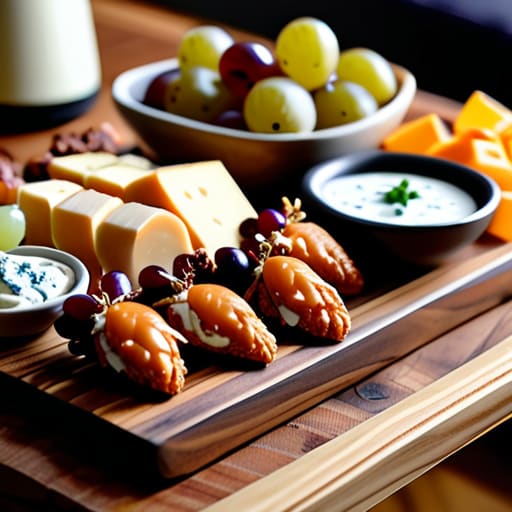
If you’re looking to impress a sports lover, skip the cheap plastic trays and think about how they can enjoy their game-day bites in style. I’m a huge fan of gifting a beautiful, handcrafted wooden charcuterie board that they can use for wings, sliders, or even a spread of cheeses during the halftime rush. It makes the whole experience feel a bit more special without being stuffy.

Nostalgic Glassware for Cheersing

Since I spend so much of my time thrifting for vintage glassware, I am always biased toward this one! Instead of standard pint glasses, why not look for some beautifully etched crystal or even some mid-century modern colored glass tumblers? It’s a lovely way to elevate their post-game toast or their morning juice without it feeling like a themed party store purchase.

Practical Style for the Sidelines

Sometimes the best gift is just something they will actually use every single day. I’m talking about a really solid, insulated water bottle or a well-made canvas tote bag for carrying their gear to the local park or stadium. Avoid the ones covered in loud, distracting logos; instead, go for something with a subtle, classic design that fits their personal style.

A Few Final Thoughts Before You Shop

Don’t feel pressured to go overboard with big-ticket items; often, the most meaningful gifts are the ones that show you actually know what they love about the game.

Keep things practical and fun—if it’s something they can actually use while watching a match or heading to the stadium, you’ve already won.

At the end of the day, it’s the thought that counts, so focus on finding something that sparks a bit of excitement rather than just checking a box.

The Heart of the Gift

At the end of the day, whether you’re handing over a vintage jersey or just a bag of their favorite game-day snacks, the best sports gifts aren’t about the price tag—they’re about showing them that you actually get why they love the game so much.

Saoirse Mullan

The Real Win

At the end of the day, whether you’re picking out a cozy vintage-style team sweatshirt, a practical piece of gear, or just some fun memorabilia, the goal is the same: showing them you actually get them. We’ve looked at everything from the big, flashy items to those little, thoughtful gestures that prove you’ve been paying attention to their favorite players and teams. You don’t need to blow your entire budget on a signed jersey to make an impact; sometimes, the best gift is just something that says, “I know how much you love this game.” It’s about finding that perfect balance between utility and heart, making sure whatever you wrap up feels personal rather than just another thing pulled off a random shelf.

I always tell my clients that the most memorable moments aren’t about the decor or the expensive favors—they’re about the feeling of being seen. The same goes for gifting. Don’t let the pressure of finding something “perfect” stop you from just being generous. If you find something that makes you think of them, that’s usually the winner. So, take a deep breath, trust your gut, and remember that the best gift is the thought behind it. Now, go grab some nice wrapping paper (or even just some twine and a sprig of greenery if you’re feeling my boho vibe) and get to it!

Frequently Asked Questions

How do I pick a gift for someone who loves a sport but isn't actually "active" in it?

Honestly, I see this all the time! Some people just love the vibe of a sport without wanting to actually break a sweat. Instead of a heavy-duty gym bag or expensive gear, think about the lifestyle around it. Grab them a beautiful coffee table book about the history of the game, a vintage-style team pennant for their office, or even just some really cozy loungewear in their favorite team’s colors. It’s all about the aesthetic!

Are there any cute, non-cliché ways to incorporate team colors into a gift basket without it looking like a kid's birthday party?

Honestly, I totally get that fear! You don’t want it looking like a pile of plastic party favors. My trick is to focus on textures and subtle hues rather than loud, bright colors. Instead of a bright red jersey, think a deep burgundy candle or a high-quality linen tea towel in that shade. Mix in some neutral elements like wood or wicker, and use the team colors as tiny “pops” through things like gourmet snacks or even a nice bottle of wine.

What's a good budget-friendly way to make a sports gift feel a bit more personal and thoughtful?

Honestly, don’t sweat the price tag; it’s all in the presentation. I love grabbing a handful of their favorite snacks—maybe some classic stadium peanuts or those specific gummy worms they crave—and tucking them into the gift bag. Even better? Write a quick, handwritten note about a favorite memory you have watching a game together. That little bit of extra effort makes it feel like a keepsake rather than just another item off a shelf.

Colorful space themed decor for a party.

Decorating for a Space Themed Party

Honestly, if I see one more Pinterest board filled with those stiff, neon-plastic astronaut figurines and overpriced, glittery star banners, I might actually lose it. There is this huge misconception that space themed decor has to look like a child’s birthday party in a rented community hall, all bright primary colors and tacky textures. It makes the whole vibe feel so forced and cluttered, doesn’t it? You shouldn’t have to turn your cozy living room into a high-gloss museum just to celebrate the cosmos.

I’m not here to sell you on a professional production crew or a shopping list that costs more than your groceries. Instead, I want to show you how to channel that celestial magic using things you probably already have, or can easily find at your local thrift shop. We’re going to focus on moody lighting, textured fabrics, and subtle nods to the galaxy that actually feel sophisticated. My goal is to help you create a space that feels dreamy and expansive, without losing that warm, lived-in comfort that makes a party actually feel like a home.

Table of Contents

Soft Moon Phase Lighting Decor for Cozy Evenings

Soft Moon Phase Lighting Decor for Cozy Evenings

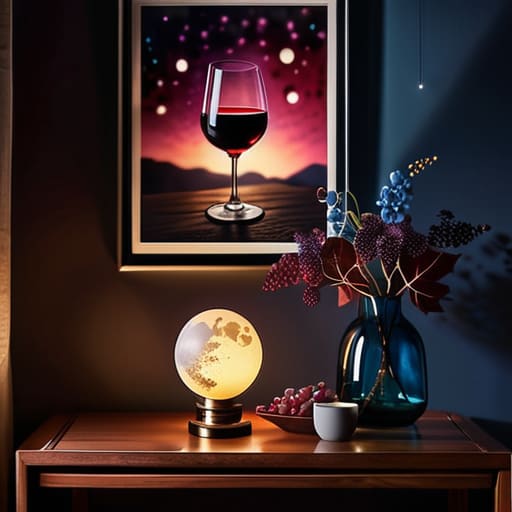
If you want to move away from that bright, “science classroom” feel and toward something a bit more soulful, I’m all about leaning into moon phase lighting decor. Instead of overhead lights that make everything feel clinical, try layering in some soft, warm glows. I love using those little lunar-shaped sconces or even just a string of warm fairy lights tucked behind some sheer fabric to mimic a glowing nebula. It creates this dreamy, low-key atmosphere that makes people actually want to curl up on the sofa and stay for hours.

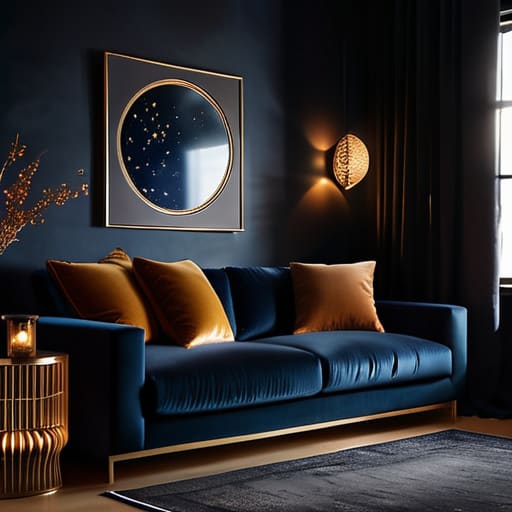
For a more curated look, you can play with astrological home accents like brass moon charms or even some thrifted amber glass votives that catch the light beautifully. If you’re feeling a bit more adventurous, mixing in some darker textures—think velvet pillows or deep navy linens—can really lean into that dark academia galaxy style without feeling like a themed restaurant. The goal isn’t to make your living room look like a NASA control center; it’s about creating a space that feels intimate, a little bit mysterious, and incredibly welcoming for your guests.

Simple Nebula Wall Art Ideas That Wont Break the Bank

Simple Nebula Wall Art Ideas That Wont Break the Bank

Now, if you’re looking to add a bit of color without spending a fortune on framed prints, I’m a huge fan of the DIY route. You don’t need to be an actual artist to pull off some stunning nebula wall art ideas. Honestly, a few inexpensive canvases and some watered-down acrylic paints in deep purples, blues, and magentas can go a long way. I love using a sea sponge to dab the colors together; it creates that soft, swirling effect that looks just like a real galaxy. It’s much more forgiving than trying to use a brush, and it adds such a dreamy, textured feel to the room.

If you’re feeling a bit more low-key, you can even lean into a dark academia galaxy style by using vintage-looking star charts or even just some dark, moody watercolor washes on heavy paper. Frame them in thrifted gold frames I find at my local secondhand shops, and suddenly it looks like a curated collection rather than a craft project. It’s all about creating those layers of color and depth that make a space feel truly immersive and special.

My go-to hacks for a stellar setup (without the stress)

  • Skip the heavy plastic props and head straight to your local thrift store for some mismatched glassware. If you find some deep blue or amber tinted pieces, they catch the light beautifully and feel much more “boutique” than anything you’d find in a party aisle.
  • Instead of trying to cover every inch of your walls, just focus on a few focal points. A cluster of silver star confetti scattered across a dark tablecloth or a few floating metallic balloons can do more for the vibe than a mountain of cheap cardboard cutouts.
  • Texture is your best friend here. Think velvet cushions in midnight blue or a chunky knit throw in charcoal grey. It keeps the “space” theme from feeling cold or clinical and makes your guests actually want to sink into the sofa and stay a while.
  • Don’t underestimate the power of a good playlist to set the scene. I always suggest something lo-fi or ambient—think dreamy, synth-heavy tracks that feel like drifting through a nebula. It fills those little awkward silences without overpowering the conversation.
  • Keep your “celestial” elements subtle. A few sprigs of dried eucalyptus tucked into some silver-painted votives can look incredibly chic and intentional, rather than looking like a kid’s birthday party. It’s all about that effortless, bohemian touch.

My Top Tips for a Stress-Free Space Party

Focus on lighting over expensive props; a few well-placed fairy lights or a dim lamp do more for a “cosmic” vibe than a dozen plastic astronaut figurines ever could.

Keep it DIY and low-pressure; use things you probably already have around the house, like star decals or thrifted glassware, so you aren’t breaking the bank just to impress your friends.

Prioritize the atmosphere over perfection; the goal is to create a cozy, magical space where people actually feel comfortable sitting down and having a real conversation.

## My Philosophy on Cosmic Hosting

“When you’re going for a space theme, don’t get caught up trying to buy every plastic planet and glow-in-the-dark sticker you see online; just aim for that dreamy, midnight glow that makes your guests want to lean in and stay a while.”

Saoirse Mullan

Bringing the Universe Home

Bringing the Universe Home with cosmic decor.

At the end of the day, whether you’re playing with soft moon phase lighting to set a chill mood or hanging some budget-friendly nebula art on your walls, the goal is just to create a little bit of magic. You don’t need to turn your apartment into a high-tech NASA command center to make the theme work. It’s really about those small, thoughtful touches—like the way a few twinkling lights hit a glass of wine or how a bit of cosmic color makes the room feel different. Just remember, you don’t need a massive budget to pull this off; a little bit of creativity and some DIY spirit go much further than anything you could buy in a fancy party store.

Most importantly, please don’t let the decor become the main event. I’ve seen so many people stress over every single star decal that they forget to actually enjoy the people sitting right in front of them. Your friends aren’t coming over to critique your celestial aesthetic; they’re coming to laugh, eat, and connect. So, throw up those fairy lights, grab a handful of snacks, and just let the night take flight. If the vibe feels cozy and the conversation flows, you’ve already won. Happy hosting, you cosmic legends!

Frequently Asked Questions

How can I pull off a space theme without my living room looking like a child's birthday party?

The secret is to lean into textures and moods rather than literal props. Skip the plastic astronaut figurines and neon stars—they’re what make a room feel like a kid’s playroom. Instead, think about deep navy velvets, subtle metallic accents, or even some interesting celestial-patterned linen napkins. If you focus on a sophisticated color palette and soft, indirect lighting, you’ll create an atmosphere that feels “cosmic” and intentional rather than just a themed party.

Are there any easy DIY ways to make the lighting feel more "celestial" without buying a bunch of expensive projectors?

Honestly, you don’t need those pricey, rotating projectors to get the vibe right. I love using simple fairy lights—just drape them behind some sheer, dark fabric to create a soft, twinkling star effect. If you’re feeling a bit more crafty, grab some cheap paper lanterns and paint tiny white dots on them. It creates this lovely, diffused glow that feels way more intentional and cozy than a bright, moving laser light.

What kind of thrifted finds or vintage glassware can I use to lean into a more sophisticated, cosmic aesthetic?

Honestly, this is my favorite part! I always keep an eye out for mid-century smoked glass or anything in deep amethyst and cobalt at the thrift stores. Those moody, dark tones feel so much more “nebula” than bright plastic. Grab some mismatched vintage coupes or heavy crystal decanters; when the light hits them, they create these gorgeous, celestial shadows. It adds that sophisticated, cosmic touch without looking like a kid’s bedroom.

Expert party planning for large groups.

Tips for Planning Parties for Large Groups

I still remember one of my first big catering gigs back in my twenties, standing in a frantic kitchen surrounded by mountains of expensive, useless floral arrangements while the actual food sat untouched in the back. Everyone was so stressed about whether the centerpieces matched the linens that they completely forgot to actually talk to each other. That’s the biggest lie we’re sold: that party planning for large groups requires a massive budget and a professional crew to be successful. Honestly, if you spend your entire night worrying about whether the napkins are perfectly folded, you aren’t hosting a party—you’re managing a production, and your guests can feel that tension from the doorway.

I’m not here to give you a checklist of things you don’t need. Instead, I want to share the real-world shortcuts I’ve learned from years of styling events and living in the chaos of my own home studio. I’m going to show you how to master the art of hosting big crowds by focusing on the things that actually matter: cozy lighting, easy food, and creating a space where people actually feel welcome. Let’s skip the stress and get back to the heart of the celebration.

Table of Contents

Managing Guest Lists for Big Events Without the Stress

Managing Guest Lists for Big Events Without the Stress

I know the feeling—you start with a small list of ten close friends, and before you know it, you’re staring at a spreadsheet of fifty people and feeling a bit of panic. When it comes to managing guest lists for big events, my best advice is to be realistic with yourself right from the start. I always tell my clients to think about the “vibe” of the space they have available. If you’re hosting in your living room, you don’t need to invite the entire neighborhood; you just need enough people to make the energy feel alive without making everyone feel like they’re squeezed into a sardine can.

Once you have your numbers, try to group your invites by “circles”—work friends, old college pals, or family. This helps you visualize the social dynamics before they even walk through the door. It also makes budgeting for massive gatherings so much easier because you aren’t constantly guessing how many appetizers or drinks you’ll actually need. I like to keep a simple, living document that I update as RSVPs roll in, so I’m never left guessing about headcount at the last minute.

Venue Selection for Large Parties That Feels Like Home

Venue Selection for Large Parties That Feels Like Home

When it comes to venue selection for large parties, I know the temptation is to go big and rent out a sterile banquet hall, but my heart is always in a space that feels lived-in. If you’re hosting at home, the trick is to stop thinking about “rooms” and start thinking about zones. I always tell my clients to create little pockets of comfort—maybe a cozy corner with some floor cushions or a cluster of chairs near the snack table—so people don’t feel like they’re standing in a crowded hallway.

If you do decide to look outside your own four walls, don’t get blinded by the grand architecture. Instead, look for a space that allows for natural movement. You want to avoid those awkward bottlenecks where everyone gets stuck in one doorway. A huge part of successful crowd control and flow strategies is simply making sure there is a clear path from the drinks to the food. If the layout feels cramped, the energy will feel cramped too. Aim for a spot that lets people drift naturally from one conversation to the next.

5 Ways to Keep the Vibes High (and Your Sanity Intact)

  • Don’t get caught in the kitchen all night. When you’re hosting a crowd, the goal is to be part of the conversation, not the person stuck hovering over a stove. Think buffet-style or easy finger foods that people can grab while they’re mingling, so you aren’t playing waiter the whole time.
  • Lighting is your absolute best friend. Harsh overhead lights can make a big group feel chaotic and loud, so lean into the cozy stuff. String lights, a few mismatched thrifted lamps, or even just a dozen tea lights can instantly soften the room and make a huge space feel much more intimate.
  • Create “conversation pockets” throughout the room. If you have a massive group, people tend to clump together in one big, noisy swarm. Scatter a few extra chairs or even some floor cushions in different corners to encourage smaller, more meaningful chats.
  • Keep the drink station self-serve. There is nothing worse than being the person who has to refill twenty different glasses. Set up a dedicated area with ice, glassware, and plenty of options so your guests can help themselves, and you can actually enjoy your own party.
  • Music should be the background, not the main event. Pick a playlist that’s upbeat but won’t force people to shout over it. You want enough rhythm to keep the energy moving, but enough space so that people can actually hear each other’s stories.

A Few Things to Keep in Mind

Don’t let the headcount intimidate you; focus on creating small “nooks” with cozy lighting so the room feels intimate even when it’s full.

Prioritize easy-to-grab food over fancy plated meals so you aren’t stuck in the kitchen while everyone else is actually having fun.

Keep your decor simple and meaningful—I’d much rather see a few thrifted vintage pieces that spark conversation than a mountain of expensive, store-bought streamers.

The Heart of the Gathering

At the end of the day, your guests aren’t going to remember if the floral arrangements were perfectly symmetrical; they’re going to remember how it felt to sit in a cozy corner, laugh until their sides ached, and feel like they actually belonged there.

Saoirse Mullan

At the End of the Day

Prioritizing connection At the End of the Day.

When you step back and look at everything we’ve covered—from keeping that guest list manageable to finding a space that actually feels cozy rather than cavernous—it can feel like a lot of moving parts. But remember, the goal isn’t to execute a flawless, high-budget production; it’s about setting the stage for connection. If you’ve nailed your venue and you’ve got a handle on who’s coming, you’ve already done the heavy lifting. Don’t let the logistics overshadow the actual magic of the evening. Just keep things simple, prioritize your comfort as the host, and focus on the flow of the room rather than perfection.

If you find yourself worrying about a slightly crooked centerpiece or a snack tray that’s running low, take a deep breath and just join the conversation. Your guests aren’t there to critique your event management skills; they’re there because they love you and want to spend time in your company. At the end of the night, nobody remembers if the lighting was mathematically perfect, but they will remember how warm and welcomed they felt. So, dim those lights, pour yourself a drink, and just enjoy the chaos of a room full of laughter. You’ve got this!

Frequently Asked Questions

How do I figure out how much food and drink I actually need so I don't end up with way too much leftovers or, even worse, running out mid-party?

The math of feeding a crowd can feel totally overwhelming, but here’s my golden rule: aim for variety over massive quantities. For food, I usually budget for about 6–8 small appetizers per person if it’s a cocktail hour, or a “main plus two sides” rule for dinner. For drinks, assume two drinks per person for the first hour, then one per hour after that. It’s better to have a little extra chips and salsa than a hungry guest!

What are some low-key ways to keep people from just sticking to the same small group of friends all night?

Honestly, I’ve been there—standing in a corner of a party where you only know two people. To break that up, I love using “social anchors.” Instead of just a snack bowl, try a DIY taco bar or a build-your-own cocktail station; having a little “activity” at the food table naturally forces different groups to mingle while they’re fixing their plates. Also, never underestimate the power of a well-placed, cozy seating nook to spark new chats!

How can I keep my budget in check when the guest list starts getting bigger than I originally planned?

Honestly, this is where the panic sets in, but take a deep breath. When the numbers climb, I always go back to my “less is more” rule. Instead of a full buffet, think heavy appetizers or a DIY taco bar—it’s way cheaper and feels more social. Also, skip the individual party favors; they usually just end up in the bin. Focus your budget on one or two “wow” elements, like great lighting or a killer playlist, and let the rest be low-key.