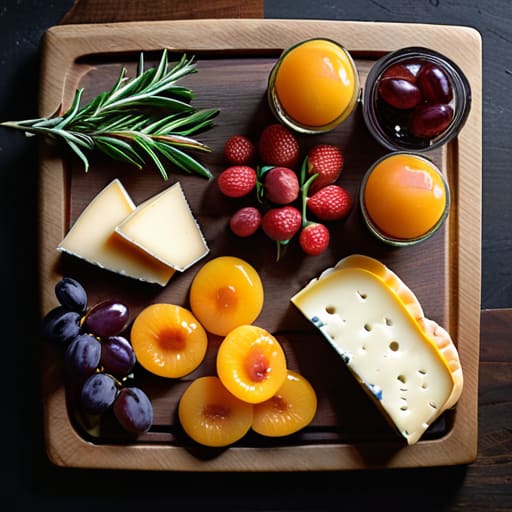
Honestly, if I see one more photo of a “luxury” charcuterie spread that looks more like a piece of expensive modern art than actual food, I might just lose it. We’ve all seen them—those hyper-stylized, over-engineered grazing boards that require a professional tweezers kit and a massive budget just to assemble. It feels so performative, doesn’t it? Like you’re spending your entire party hovering over a wooden slab, worrying about the exact angle of a rosemary sprig, instead of actually connecting with the people in your living room. To me, that’s not hosting; that’s just unpaid labor.
I’m here to tell you that you can skip the stress and the designer price tags without sacrificing the vibe. In this guide, I’m sharing my real-world, no-nonsense approach to building grazing boards that actually taste good and, more importantly, feel easy. I’ll show you how to use what you already have in your pantry and a few thrifted bowls to create a spread that invites people to dig in, linger, and stay for a second glass of wine. Let’s get back to the heart of hosting.
Table of Contents
Artisan Meat and Cheese Selection Without the Stress
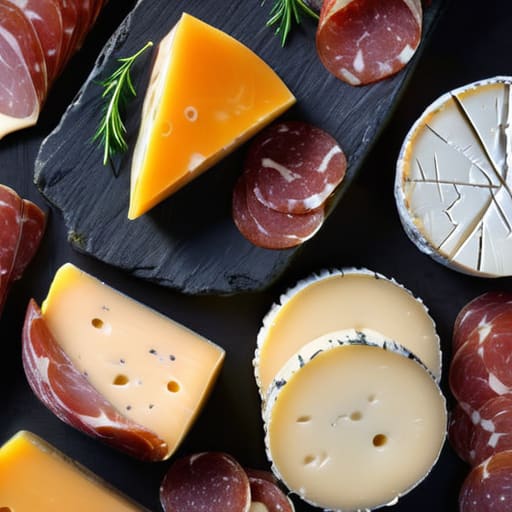
Now, let’s talk about the heavy hitters: the meats and cheeses. I know, I know—walking down the deli aisle can feel incredibly overwhelming when you’re staring at twenty different types of salami and a wall of brie. But here is my secret: don’t overthink it. You don’t need to source rare, cave-aged cheeses from a tiny mountain village to make this work. When I’m putting together an artisan meat and cheese selection for a client, I always aim for a mix of textures and “vibes.” Think one hard cheese like a sharp cheddar, one soft one like a creamy goat cheese, and maybe something funky like a blue.
For the meats, I love a good variety of folds and shapes. Instead of just laying slices flat, try ribboning your prosciutto or folding your salami into little little bundles; it adds so much dimension to your party food presentation ideas without costing an extra cent. Just remember to balance the saltiness of the meats with something mild in the cheese category so your guests aren’t reaching for water every two minutes!
Savory Snack Platter Components for Real Connection
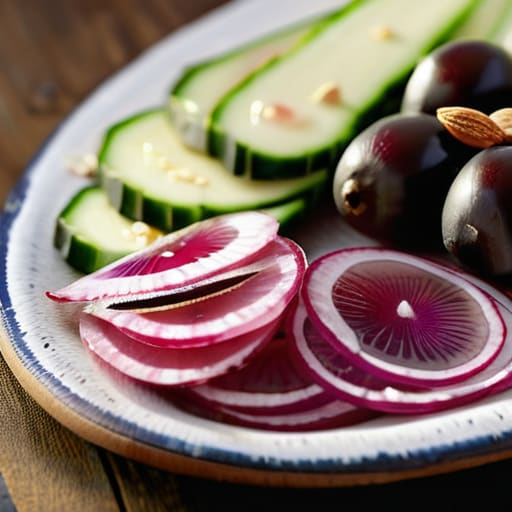
Once you’ve got your meats and cheeses sorted, it’s time to think about the little things that actually fill the gaps and keep people nibbling. I’m a huge fan of adding texture and salt to the mix. Think about salty olives, crunchy Marcona almonds, or even some quick-pickled veggies to cut through all that richness. These savory snack platter components aren’t just filler; they’re the little bites that people end up hovering over while they’re deep in a conversation.
I also love playing with different “vibe” elements to keep things interesting. If you’re feeling a bit more rustic, maybe toss on some dried apricots or figs. If you want something a bit more substantial, a handful of rosemary-salted crackers or some toasted sourdough slices can make the spread feel much more like a meal. My best party food presentation ideas usually involve just piling things in small, mismatched bowls I’ve found at thrift stores. It keeps the look relaxed and prevents the whole setup from feeling too precious or stiff.
Five Little Tricks to Make Your Board Look (and Feel) Like a Dream
- Don’t be afraid of a little “clutter.” The secret to that lush, effortless look is filling in every single tiny gap with something small—think a handful of loose grapes, some almonds, or even a few sprigs of fresh rosemary. If you can see the bottom of the board, just add more snacks!
- Mix up your textures so people actually want to keep nibbling. You want that perfect balance of something crunchy (like those sea salt crackers I love), something creamy (a soft brie is a lifesaver), and something juicy (fresh figs or sliced pears) to cleanse the palate.
- Think about color, but keep it natural. I always try to scatter a few pops of red or deep purple through the spread—maybe some pomegranate seeds or dried cranberries—just so it doesn’t look like one big, beige blob of food. It makes the whole thing look so much more intentional.
- Use what you already have in your kitchen. You don’t need a set of matching ceramic ramekins; I love using mismatched vintage bowls I’ve found at thrift stores for the olives or honey. It adds so much character and keeps things feeling cozy rather than stiff.
- Prep your components ahead of time so you aren’t stuck in the kitchen all night. Slice your cheeses and wash your fruit an hour before guests arrive, then just do the final “assembly” once you’ve poured yourself a glass of wine. You want to be part of the conversation, not the person hovering over a cutting board!
My Golden Rules for a Stress-Free Spread
Don’t get caught up in perfection; a little bit of overlap and a few crumbs actually make the board look more inviting and lived-in.
Focus on variety over volume—it’s much better to have three really good cheeses than a mountain of mediocre stuff that nobody actually wants to eat.
Keep the flow in mind by placing the most popular items, like crackers or grapes, in spots that are easy for guests to reach without awkward stretching.
The Magic in the Mess
“At the end of the day, I don’t care if the brie is perfectly sliced or if the grapes are arranged in a neat little line; I just want to see a board that looks lived-in, where people feel comfortable grabbing a handful of olives and actually leaning in to hear a good story.”
Saoirse Mullan
Bringing It All Together
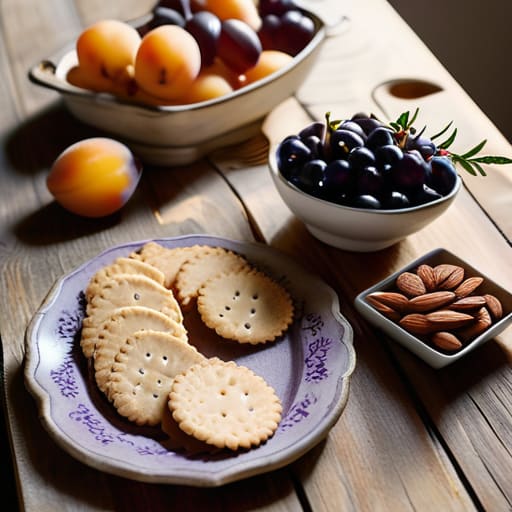
At the end of the day, building a grazing board doesn’t require a culinary degree or a massive budget. Once you’ve picked out some lovely cheeses, layered in your savory snacks, and added those little touches of crunch and sweetness, you’re basically ready to go. Just remember that it’s all about the flow of the board—don’t worry if it looks a little messy or if the crackers aren’t perfectly aligned. The goal isn’t a museum exhibit; it’s a delicious, accessible spread that invites people to linger. If you find yourself running low on space, just grab another wooden board or even a few of those vintage mismatched plates I love so much to keep the variety going.
More than anything, I want you to remember that your guests are coming to see you, not to judge your plating skills. A grazing board is just a tool to help break the ice and get the conversation flowing. When the lights are low, the wine is poured, and everyone is happily picking at a piece of brie, that’s when the real magic happens. So, stop stressing over the perfect arrangement, grab a roll of tape if a garnish needs securing, and just focus on the connection. You’ve got this, and your friends are going to love it simply because you hosted them.
Frequently Asked Questions
How do I keep everything looking fresh and not all wilted if the party lasts a few hours?
Honestly, this is the question I get most often! My biggest tip? Don’t put everything out at once. I like to prep the “base” layers—like the nuts, dried fruits, and hard cheeses—well in advance, but I wait until guests actually arrive to add the delicate stuff like sliced berries or soft cheeses. If you’re using grapes or herbs for decor, keep them in a small bowl of ice water until the very last second.
Do I really need those expensive specialty cheeses, or can I just use what's in my fridge?
Oh, absolutely not! Please, don’t feel like you have to drop a fortune at a high-end deli just to host a nice night. Honestly, some of my favorite boards are built from what’s already in the fridge. A good block of sharp cheddar, some creamy brie, or even those nice crackers you picked up last week work perfectly. It’s all about the variety and how you arrange it—not the price tag on the label.
What's the best way to arrange everything so it looks "effortless" rather than just a messy pile of food?
The secret to that “effortless” look is all about layering and movement. Don’t try to make it symmetrical—that feels too stiff. Instead, start by placing your bowls or small ramekins first to create “anchors,” then weave your cheeses and meats around them. Fill the gaps with smaller bits like nuts or dried fruit so no wood is peeking through. It’s not a mess if there’s a flow; it’s just abundance!
