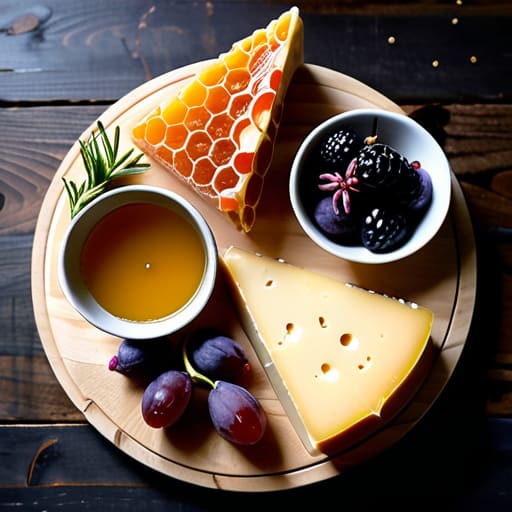
I’ve been there—standing in the middle of my kitchen, staring at a pile of groceries and feeling that sudden, overwhelming panic that my hosting skills are failing me. We’ve all felt it, that pressure to make everything look like a Pinterest board perfection before the doorbell rings. But honestly? The stress of trying to curate the “perfect” spread often kills the very vibe you were trying to create in the first place. I used to spend way too much time stressing over every single placement, but I’ve realized that the best charcuterie board ideas aren’t about achieving some unattainable, high-end aesthetic; they are about creating a welcoming centerpiece that invites people to relax and actually eat.
In this post, I’m stripping away the intimidation and sharing five of my favorite, go-to ways to build a spread that feels intentional but totally effortless. I’m going to walk you through some simple combinations that focus on texture, flavor, and—most importantly—real connection. Whether you’re hosting a cozy movie night or a small birthday gathering, these five tips will help you build a beautiful spread without needing a professional styling crew. Let’s get into it!
Table of Contents
The "Thrifty Vintage" Spread
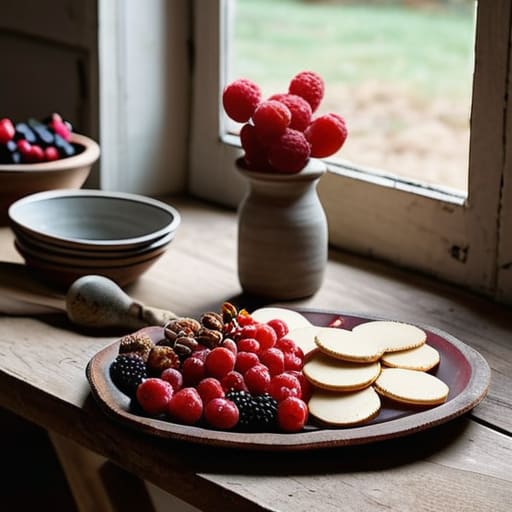
One of my absolute favorite things to do is hunt through local thrift stores for mismatched, beautiful vintage plates and small wooden boards. Instead of trying to make everything look perfectly uniform, I lean into the character of the pieces. You might have a chipped ceramic saucer next to a rustic oak plank, and honestly, that’s where the magic happens. It makes the whole setup feel lived-in and approachable rather than like a stiff museum display.
The Low-Maintenance Grazing Table
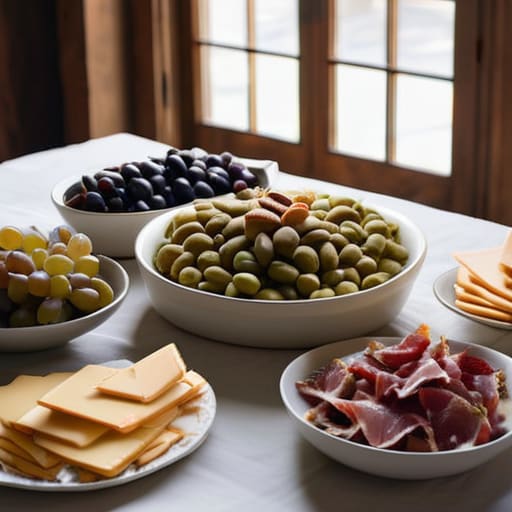
If you’re hosting a bigger group and the thought of plating individual boards makes you want to hide in your studio, just go for a grazing table. I usually clear off my dining table, lay down some parchment paper (it makes cleanup a dream!), and just start grouping things together. I like to use large bowls for olives and nuts and spread out different types of crackers in little clusters. It’s all about abundance without the stress.
The Sweet & Salty Sunset Board
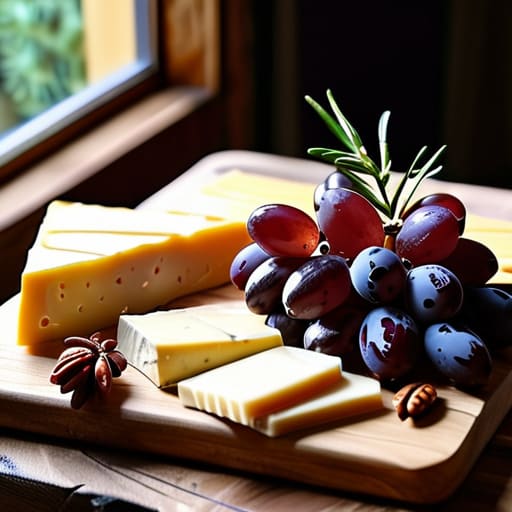
Sometimes, I find that a traditional savory board can feel a bit heavy, especially if you’re hosting a late afternoon get-together. I love creating a “transition” board that plays with the balance of salt and sugar. Think creamy brie topped with a generous drizzle of honey, paired alongside some salty prosciutto and maybe a few dark chocolate squares. It’s a total crowd-pleaser because it hits every single taste bud.
The "Build-Your-Own" Bruschetta Station
This is my go-to when I want to actually spend time talking to my guests instead of hovering over a platter. Instead of doing all the assembly work myself, I set out small bowls of toppings and let everyone play chef. I’ll provide toasted baguette slices, a bowl of creamy goat cheese, some balsamic glaze, and a fresh tomato basil mixture. It turns the food into an interactive activity that breaks the ice immediately.
The Cozy Fireside Charcuterie
When the weather gets a bit chilly, I love to pivot toward flavors that feel like a warm hug. This is less about delicate finger foods and more about hearty, comforting bites. I’m talking about smoked meats, thick slices of sourdough, and perhaps a really good, nutty Gruyère. I like to arrange these on a larger wooden board to give it a grounded, rustic feel that matches a cozy living room setup.
My Golden Rules for Stress-Free Grazing
Don’t sweat the perfection; a little bit of overlap and some scattered nuts or berries makes the board look intentional rather than messy.
Focus on the “vibe” over the price tag—a handful of good olives and some thrifted wooden boards beat an expensive, sterile platter any day.
Prep as much as you can before guests arrive so you aren’t stuck in the kitchen while everyone else is actually having fun.
The Heart of the Table
“At the end of the day, I don’t care if your brie is perfectly sliced or if your grapes are color-coordinated; I just want a spread that invites people to linger a little longer and actually stay for the conversation.”
Saoirse Mullan
The Heart of the Spread
At the end of the day, whether you’re leaning into a massive, decadent cheese mountain or keeping things light with a simple fruit and nut platter, the goal is the same. You don’t need to spend a fortune on artisanal truffle honey or imported cheeses that nobody can pronounce to make a mark. Just remember to mix up your textures, play with a few different colors, and—my personal favorite rule—always leave enough room for extra crackers. As long as you have a little bit of variety and a nice wooden board to tie it all together, you are well on your way to a successful spread that feels both intentional and completely effortless.
I know how easy it is to get caught up in the “perfect” aesthetic you see on social media, but please, don’t let that stop you from hosting. The best memories I’ve ever made at a party didn’t happen because the food looked like a work of art; they happened because the atmosphere was relaxed enough for everyone to actually unwind. So, grab that board, pile on the snacks you actually love eating, and get ready to enjoy the company of your favorite people. After all, the most important ingredient in any gathering is simply showing up for each other.
Frequently Asked Questions
Do I really need to buy all those expensive specialty cheeses, or can I just use what's already in my fridge?
Oh, absolutely not! Please don’t feel like you need to drop a fortune at a fancy deli just to host a little get-together. Honestly, some of my favorite spreads are just “fridge cleans-outs” that happen to look great. Grab that sharp cheddar, a bit of brie, or even some good old gouda you already have. As long as you have a little variety in texture and maybe a handful of crackers, your friends won’t mind one bit.
How do I keep everything from looking like a total mess if I'm using a smaller platter or even just a regular dinner plate?
Honestly, I get so nervous about this! When you’re working with a tiny plate or just a standard dinner dish, the trick is to think in “clusters” rather than spreading everything out. Instead of trying to fit everything, pick just two cheeses, one meat, and maybe a handful of grapes. Group them tightly together so there’s no awkward empty space. It makes the little plate look intentional and curated, rather than just a messy snack.
Is there a way to make a board that actually stays fresh if the party is going to last a few hours?
Oh, I get asked this all the time! There is nothing worse than seeing your beautiful brie turn into a puddle or your crackers get all sad and soggy. My biggest tip? Keep the “wet” stuff—like olives, honey, or jam—in tiny little ramekins rather than letting them touch the cheese directly. Also, try to keep the board out of direct sunlight. If it’s a long one, I usually keep the extras in the fridge and do a quick “refresh” halfway through!
