I still remember one of my first big catering gigs back in my twenties, where I watched a coordinator spend forty minutes trying to arrange these tiny, delicate porcelain spoons for a formal soup course. The guests were standing around awkwardly, looking more stressed than hungry, while the “elegant” setup just felt stiff and unapproachable. Honestly, the idea that a soup station has to be this high-maintenance, intimidating affair is such a myth. When you’re hosting at home, the last thing you want is a setup that feels like a museum exhibit instead of a place to actually get cozy.
I’m not here to tell you how to host a five-star gala; I want to show you how to create a warm, inviting soup station that actually works for your real life. I’m going to share my favorite ways to keep things hot without the stress, how to style it using those gorgeous vintage bowls you find at thrift stores, and most importantly, how to layout your space so people can actually talk to each other while they eat. Let’s skip the fancy fluff and focus on making your guests feel truly cared for.
Table of Contents
Simple Self Service Soup Bar Setup for Real Connection
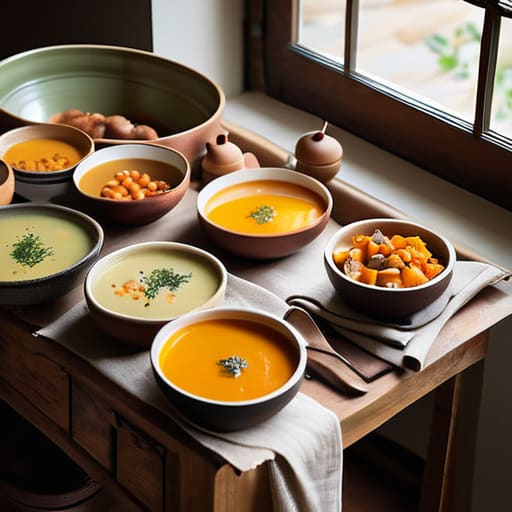
When it comes to a self-service soup bar setup, I always tell my clients to ditch the idea that everything needs to look like a high-end hotel banquet. You don’t need fancy catering soup station equipment to make this work; in fact, I think it feels much more inviting when you use what you already have in your kitchen. Grab your favorite ceramic crocks or even those mismatched vintage bowls I’m always hunting for at thrift stores. The goal is to create a flow where people can easily scoop their portion and move toward the seating without feeling like they’re standing in a cafeteria line.
To really elevate the vibe, I’m a huge fan of focusing on soup toppings and garnishes to add that extra bit of magic. Instead of just one big pot, set out little ramekins filled with things like toasted sourdough croutons, a drizzle of truffle oil, or even some fresh microgreens. It turns the meal into a little interactive moment. When you prioritize these small, thoughtful details, you’re not just serving food—you’re creating a cozy, tactile experience that encourages everyone to linger a little longer at the table.
Smart Soup Station Menu Planning Without the Stress
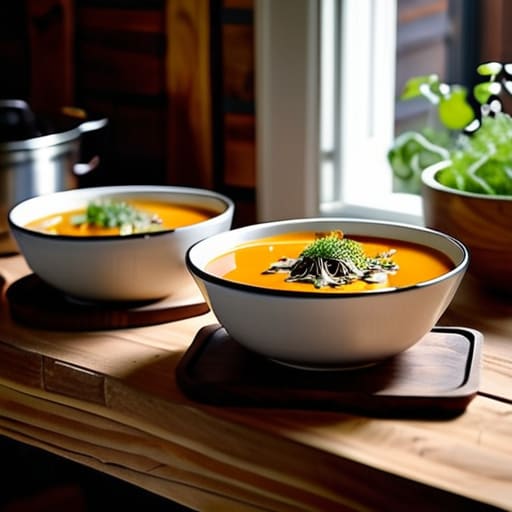
When it comes to soup station menu planning, my golden rule is to keep it simple so you aren’t stuck in the kitchen while everyone else is laughing in the living room. I always recommend picking two distinct bases—maybe one creamy, like a roasted butternut squash, and one lighter, broth-based option like a classic tomato or a veggie minestrone. This ensures there is something for everyone, regardless of dietary needs, without you having to cook five different pots.
To really make it feel special, don’t underestimate the power of soup toppings and garnishes. Instead of just offering salt and pepper, set out little mismatched bowls filled with things like homemade sourdough croutons, a drizzle of high-quality olive oil, or even some crispy chickpeas. It’s these tiny, thoughtful details that turn a basic meal into something that feels curated. Plus, letting guests customize their own bowls is such a great way to keep the vibe relaxed and interactive. Just make sure you have enough small spoons and napkins handy!
Little Details That Make a Big Difference
- Don’t forget the “crunch factor.” I always keep a few bowls of toasted sourdough cubes or salty croutons on the side; having that texture makes even the simplest broth feel like a real meal.
- Keep your toppings organized but pretty. Instead of messy plastic containers, use those mismatched vintage bowls I found at the thrift store last weekend to hold your cheese, herbs, and seeds.
- Think about the flow of the room. Place your spoons and napkins at the very end of the station so people aren’t trying to juggle a heavy bowl and a napkin at the same time while they’re looking for a seat.
- Warmth is everything. If you can, keep your soup in a slow cooker or a heavy Dutch oven on low heat—there is nothing worse than a lukewarm bowl of soup when you’re trying to get cozy.
- Label things clearly, especially if you have friends with dietary needs. A little handwritten note saying “Vegan” or “Gluten-Free” saves your guests from having to ask you every five minutes while you’re trying to enjoy your own party.
A Few Quick Tips Before You Start Ladling
Don’t forget the lighting; dim the overheads and grab a few unscented tea lights to keep the vibe cozy while people are hovering around the station.
Keep the “messy” stuff contained by having plenty of napkins and a small little bin tucked nearby so people aren’t wandering around with dripping spoons.
Focus on the flow—make sure there’s enough space for someone to grab a bowl without blocking the person who’s currently busy picking out their toppings.
## Why I'm Obsessed with the Soup Station
“Forget those stiff, formal sit-down dinners where everyone’s too worried about their posture to actually talk. A soup station is different—it’s cozy, it’s approachable, and it lets your guests grab a warm bowl and just… be. It’s about creating a little pocket of comfort that says, ‘I’m so glad you’re here, now go get cozy.'”
Saoirse Mullan
Bringing It All Together
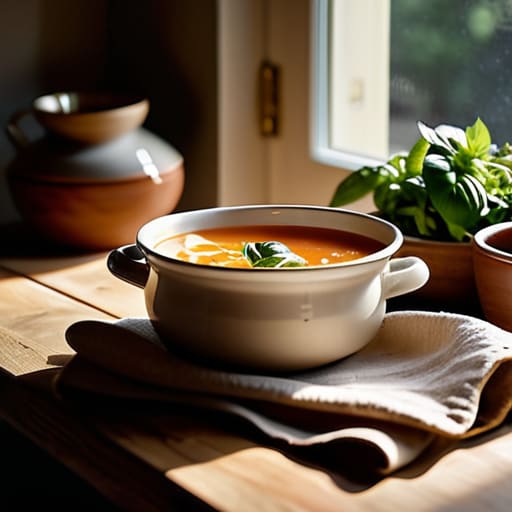
At the end of the day, setting up a soup station is really just about making things easy for yourself and your guests. Whether you’re focusing on a smart menu that won’t leave you stuck in the kitchen all night, or you’re arranging your toppings in those cute vintage bowls I’m always hunting for at thrift stores, the goal is the same: flow. By keeping the setup simple and the service self-sufficient, you’re removing those little hurdles that usually get in the way of a good time. Remember, a well-placed ladle and a few cozy bowls of garnish can turn a basic meal into a seamless, self-service experience that lets everyone feel right at home.
If you’re feeling a little nervous about hosting, just take a deep breath and remember my golden rule: the magic isn’t in the perfection of the display, it’s in the warmth of the welcome. Your friends aren’t coming over to critique your garnish placement or your station layout; they’re coming to share a warm bowl of something delicious and catch up with you. So, dim the lights, light a few candles, and don’t worry if a little bit of broth splashes on the tablecloth. Focus on the connection and the conversation, and I promise your guests will leave with their hearts—and their bellies—completely full.
Frequently Asked Questions
What kind of bowls should I use so they don't look too formal but still feel special?
Honestly, I’d steer clear of anything too shiny or matching. If you have a collection of mismatched vintage bowls from my latest thrift haul, use those! There’s something so cozy about a little variety. If you don’t want to hunt through flea markets, just grab some stoneware in earthy tones—think matte finishes rather than high-gloss. It feels intentional and warm, but nobody’s going to feel like they need to sit up straight just to eat.
How do I keep the soup actually hot for more than twenty minutes without it getting weird?
Honestly, this is my biggest fear—serving lukewarm soup! To keep things cozy without it getting “weird” or crusty, skip the stovetop and go for a slow cooker on the “warm” setting. If you want to look a bit more chic, use a heavy ceramic crock or even a small fondue pot. Just remember to give it a little stir every so often so the bottom doesn’t scorch. It keeps the vibe flowing!
Is it better to do one big pot of soup or offer a couple of different options for my guests?
Honestly, it depends on your crowd, but I’m a big fan of offering two different options if you can swing it. I usually do one “safe” crowd-pleaser—like a creamy tomato or a classic potato—and then one slightly more adventurous or hearty option, like a spicy lentil. It makes everyone feel seen without you spending all night in the kitchen. If you’re feeling overwhelmed, though, just stick to one amazing pot!
