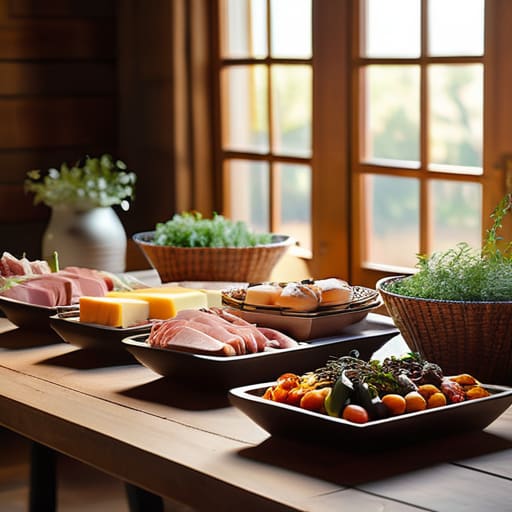
I still remember one of my first big catering gigs back in my twenties, standing in a massive, sterile hotel ballroom watching a server struggle to keep a dozen silver chafing dishes looking “perfect.” Everything was so stiff, so expensive, and honestly? So incredibly boring. People were barely eating because they were too busy worrying about which fork to use or if they were making a scene by standing up. We’ve been sold this lie that hosting a big group requires a formal, seated production, but when it comes to buffet style food, the goal shouldn’t be a museum display—it should be actual connection.
I’m not here to give you a list of fancy recipes that require a culinary degree and three assistants to plate. Instead, I want to share what I’ve learned from years of styling real, messy, beautiful gatherings in living rooms and backyards. I’m going to show you how to pull together buffet style food that feels abundant and relaxed, without breaking your spirit or your bank account. Let’s focus on smart setups and easy-to-grab bites so you can actually spend your night talking to your guests instead of hovering over a serving spoon.
Table of Contents
Smart Buffet Layout Design for Natural Flow
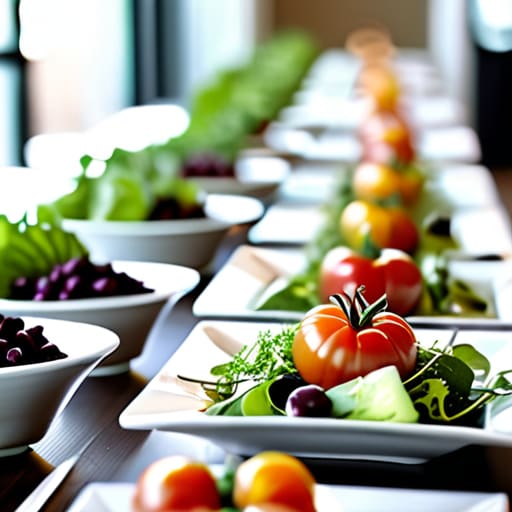
When it comes to buffet layout design, the biggest mistake I see is creating a massive bottleneck right at the start. If you put your most popular dish—like those little sliders everyone loves—at the very beginning of the line, your guests will be stuck there for ten minutes while the line stalls. I always suggest starting with the “boring” stuff like plates, napkins, and maybe a simple salad. This keeps the movement steady and ensures people aren’t hovering awkwardly while waiting for the main event.
I’m also a huge fan of using interactive food stations to break things up. Instead of one long, intimidating table that stretches across the entire living room, try setting up two smaller zones. You could have a main spread in the dining area and a separate little grazing station near the drinks. It’s a total game-changer for the vibe; it prevents that awkward “conga line” feeling and actually encourages people to drift around the room. Plus, it makes the whole setup feel much more intentional and cozy rather than just a cafeteria setup.
Catering Menu Planning That Prioritizes Connection
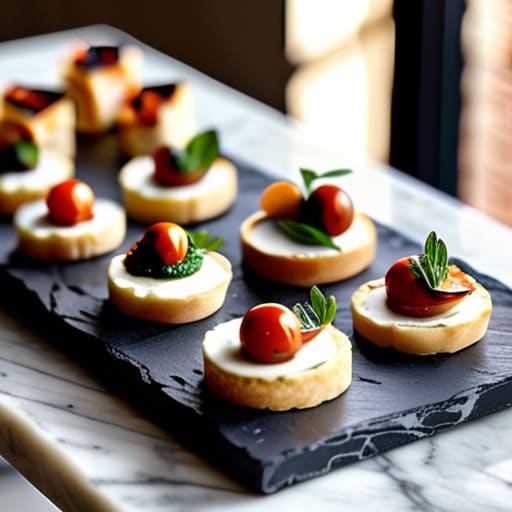
When it comes to catering menu planning, my biggest piece of advice is to stop trying to impress everyone and start thinking about how people actually eat. I’ve seen so many hosts stress over a massive, complicated spread that ends up being a nightmare to navigate. Instead, aim for dishes that are easy to scoop and even easier to eat while standing up. Think about one-handed bites or things that don’t require a steak knife to tackle. If your guests are constantly struggling with heavy plates or messy sauces, they’re going to spend more time looking at their forks than at each other.
I’m also a huge fan of incorporating interactive food stations to break things up. Rather than one long, intimidating line, setting up a taco bar or a DIY bruschetta station creates little pockets of activity. It gives people a reason to move around and chat while they customize their plates. It turns the act of getting food into a shared experience rather than just a chore. Just remember to keep an eye on the temperature of your dishes—self-service food safety is key, especially if you’re letting things sit out while everyone is busy catching up.
My Little Secrets for a Stress-Free Spread
- Don’t forget the “hidden” essentials. I always keep a roll of double-sided tape in my purse for decor, but for a buffet, your best friend is a stack of extra napkins and a few extra serving spoons hidden near the back. There’s nothing worse than a guest realizing they can’t actually scoop the potatoes!
- Keep the heavy hitters at the end. I’ve learned the hard way that if you put the most popular dish—like that amazing mac and cheese everyone loves—right at the start, the line moves slow and the tray is empty by the time the fifth person arrives. Put the proteins and the crowd-pleasers toward the middle or end to keep the flow moving.
- Label everything (especially the spicy stuff). I love using little pieces of cardstock or even some of my thrifted vintage brass holders to mark what’s what. It’s not just about being fancy; it’s about making sure your friend with the nut allergy or the one who can’t handle heat feels totally safe and included.
- Ditch the tiny, fussy portions. If you’re serving something that requires a tiny little fork or a lot of careful maneuvering, skip it. I’m all about food that’s easy to grab and carry back to a cozy corner of the sofa. We want people eating and chatting, not performing surgery on their plates.
- Use height to your advantage. You don’t need to rent expensive risers; I often use sturdy old books or even wooden crates from my studio to create different levels on the table. It makes the spread look intentional and lush, and it actually makes it much easier for people to see what’s available without leaning over everyone else.
My Golden Rules for a Stress-Free Buffet
Keep the flow moving by placing plates at the very start and cutlery at the very end—nobody wants to be awkwardy trying to spear a salad while balancing a heavy plate.
Don’t overcomplicate the menu; stick to foods that are easy to scoop and don’t require a whole set of steak knives, so your guests can actually focus on the conversation.
Use varying heights with thrifted platters or even some sturdy wooden crates to make the spread look intentional and lush without needing to spend a fortune on rentals.
The Magic of a Messy Buffet
Honestly, I’d take a slightly cluttered buffet line filled with real, soulful food over a perfectly manicured plated dinner any day; when people are standing around a table picking out their favorites, that’s when the best stories and the loudest laughs actually happen.
Saoirse Mullan
Bringing It All Together
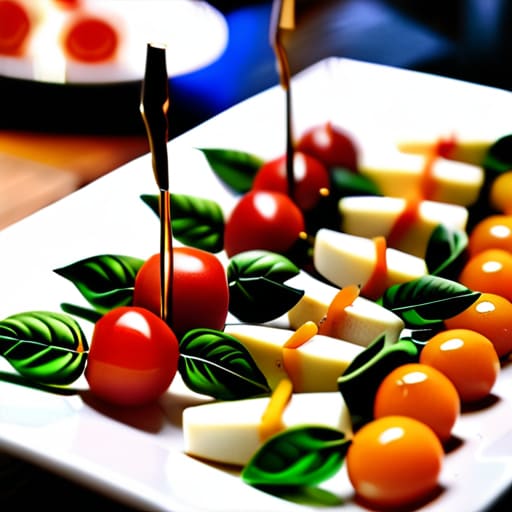
At the end of the day, pulling off a successful buffet is really just about managing the logistics so you can actually enjoy your own party. By focusing on a smart layout that prevents those awkward bottlenecks and choosing a menu that invites people to mingle rather than just fuel up, you’ve already done the heavy lifting. Remember, it’s not about having a perfectly curated spread that looks like a magazine cover; it’s about making sure the flow feels natural and the food is easy enough for guests to handle while they’re busy catching up. If you keep things simple and prioritize functional design, you’ll find that the service part of the evening just sort of takes care of itself.
If you’re feeling a little nervous about the setup, just take a deep breath and remember why you’re hosting in the first place. Your friends aren’t coming over to critique your buffet line or judge your choice of serving platters; they’re coming to spend time with you. When you strip away the pressure to be “perfect,” you leave room for the stuff that actually matters—the belly laughs, the deep conversations, and the cozy atmosphere that makes a house feel like a home. So, grab a glass of something tasty, dim the lights, and just let it happen. You’ve got this!
Frequently Asked Questions
How do I stop that awkward bottleneck at the start of the line so people aren't stuck waiting forever?
Oh, the “buffet bottleneck”—I’ve seen it happen at so many weddings and dinner parties, and it’s such a mood killer! To fix it, my golden rule is to create two identical lines. If you have the space, set up two small stations with the same food. It’s a total game-changer. If you can’t do that, just put the plates at the very start of the line so people can grab them and move along quickly.
Is it possible to do a buffet without everything looking like a messy school cafeteria?
Oh, I hear you! There is nothing worse than a buffet that feels like a disorganized lunch line. The trick is to ditch the long, single-file rows of mismatched plastic trays. Instead, try grouping things on different levels using vintage wooden crates or even some of my favorite thrifted cake stands. It breaks up the visual “flatness” and makes everything look intentional and curated rather than just… dumped out on a table.
What's the best way to handle dietary restrictions without making my vegetarian or gluten-free friends feel like an afterthought?
Honestly, the biggest mistake is making the “special” meal feel like a consolation prize. Instead of having one lonely salad for your vegetarian guests, try making the entire buffet naturally inclusive. If you lean into things like Mediterranean spreads or taco bars, most of your dishes are already veggie or gluten-free friendly by default. That way, everyone is eating the same delicious food, and nobody feels like they’re sitting there with a side of plain steamed veggies.
