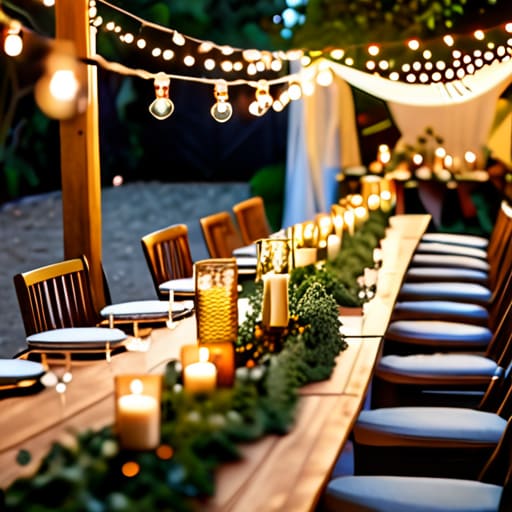
I still remember one of my first big catering gigs back in my twenties; I spent three hours obsessing over a rigid, formal floor plan that looked like something out of a corporate handbook. The tables were perfectly aligned, the chairs were spaced to the millimeter, and the whole room felt stiff and intimidating. As soon as the guests arrived, they hovered awkwardly near the entrance, too afraid to break the “perfect” symmetry to actually sit down and grab a drink. It was a total disaster because I had prioritized aesthetics over actual human connection, and I realized right then that traditional party seating arrangements are often the biggest buzzkill in the room.
I’m not here to tell you how to make your living room look like a staged showroom or how to rent expensive banquet furniture you don’t need. Instead, I want to share my honest, battle-tested approach to setting up your space so that people actually want to linger. We’re going to focus on creating cozy little pockets for conversation, making sure everyone has a comfortable spot to land, and keeping things completely effortless. Let’s ditch the formal rules and focus on making your guests feel truly at home.
Table of Contents
Social Interaction Layouts That Actually Encourage Deep Conversation
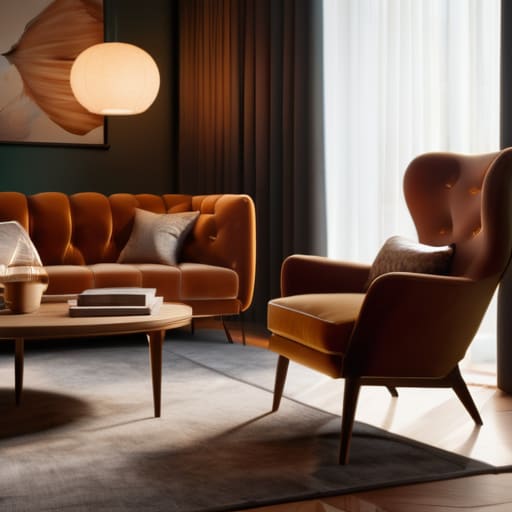
If you want people to actually talk instead of just staring at their phones, you have to ditch the idea of one massive, intimidating table. When everyone is lined up in a single row, you’re basically stuck talking to the person directly to your left or right for two hours. Instead, I love using small, clustered groupings—think a couple of mismatched armchairs here, a small bistro table there. These social interaction layouts act like little islands of intimacy where people feel safe to lean in and really listen.
You also want to think about the movement within the room. I’m a huge fan of mixing things up rather than sticking to a strict banquet style vs cocktail style approach. If you have a smaller living room, try pulling your dining chairs away from the wall and creating a loose circle. It might feel a bit more chaotic than a formal setup, but it makes the whole vibe feel much more intentional. Just make sure you leave enough breathing room so people don’t feel trapped; a little bit of elbow room goes a long way in making guests feel relaxed enough to stay for that second glass of wine.
Banquet Style vs Cocktail Style Choosing Your Cozy Vibe
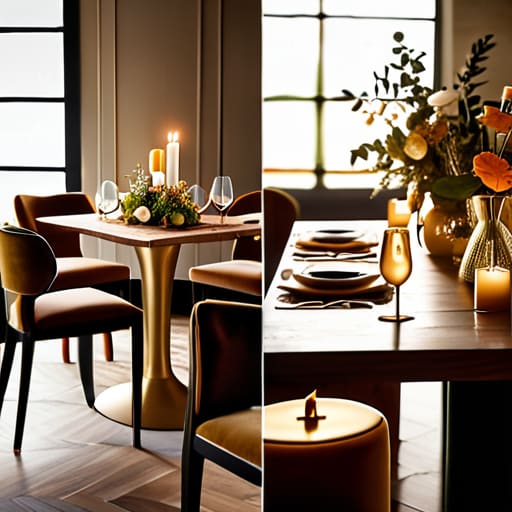
Now, this is where people usually get a bit stuck—deciding between a sit-down meal or a more casual mingle. When you’re weighing banquet style vs cocktail style, I always tell my clients to think about the energy they want to cultivate. Banquet style is lovely if you’re planning a long, slow dinner where the food is the star. It feels intentional and grounded, but just a heads-up: it can sometimes trap people in one spot for too long. If you go this route, make sure your dining room ergonomics allow for easy movement so people don’t feel like they’re stuck in a classroom setting.
On the flip side, if you want a night that feels breezy and alive, go for cocktail style. This is all about guest flow management; you want plenty of high-top tables or scattered lounge spots so people can drift from one group to another. It’s much more forgiving if your space is a little tight, too. Instead of worrying about a strict seating capacity calculator, just focus on creating little “pockets” of comfort where people can perch with a drink and a snack.
My little secrets for making sure nobody feels left out
- Don’t be afraid of the “nook” approach—if you have a corner with a couple of mismatched armchairs and a small side table, use it! It creates a little sanctuary for the guests who might be feeling a bit socially overwhelmed.
- Keep the “flow” in mind by leaving enough space between your seating clusters so people can actually wander around without bumping into someone’s drink. A cramped room always makes people feel a little more anxious than they need to be.
- Use varying heights to keep things interesting; if everyone is sitting at the exact same level, it can feel a bit like a classroom. Mix in some floor cushions or a low coffee table to break up the visual lines and make it feel more like a living room.
- Avoid the “long line” trap. If you’re using a long dining table, try to avoid seating people in a way that they can only talk to the person directly across from them. Scatter some smaller side tables nearby to encourage people to drift and mingle.
- Always, always check your lighting before people arrive. There is nothing that kills a cozy seating vibe faster than a harsh overhead light. Dim those lamps and maybe even toss a few battery-operated tea lights on the tables to keep the mood soft and inviting.
The quick cheat sheet for a cozy setup
Prioritize “conversation pockets” over perfect symmetry—it’s better to have a few small, cozy clusters of chairs than one giant, intimidating circle.
Match your layout to the energy you want; go for cocktail style if you want people moving around, or banquet style if you’re planning a long, lingering dinner.
Don’t forget the “soft” details like floor cushions or extra throw blankets to make your seating feel lived-in and welcoming rather than stiff.
The secret to a great night
“At the end of the day, your seating plan shouldn’t look like a classroom; it should feel like an invitation to stay a little longer and actually listen to each other.”
Saoirse Mullan
Making it Your Own
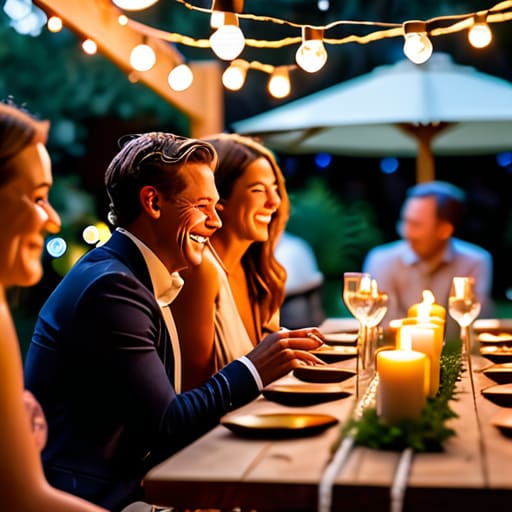
At the end of the day, whether you decide to go with the structured warmth of a banquet table or the breezy, “grab-a-drink-and-mingle” energy of a cocktail setup, the goal is the same: making sure your guests feel at home. Remember, you don’t need to follow a rigid blueprint to be successful. It’s about finding that sweet spot between functional flow and those little pockets of comfort where people can actually settle in. Just focus on creating a few natural gathering spots, keep the lighting soft, and don’t stress too much about the perfect symmetry. If people are leaning in to hear a story or laughing over a shared plate, you’ve already won the hosting game.
Please, don’t let the fear of a “messy” room stop you from opening your doors. I’ve seen some of the most beautiful, expensive setups feel totally cold and stiff, while a living room filled with mismatched thrifted chairs and floor cushions can feel like pure magic. Your friends aren’t coming over to critique your floor plan; they’re coming to see you. So, grab that roll of double-sided tape from your bag, tuck a few extra cushions behind the sofa, and just let the good times roll. The best memories happen in the unplanned moments between the seating arrangements.
Frequently Asked Questions
What do I do if I have a tiny living room and not enough actual chairs for everyone?
Honestly, don’t panic—this is where the “boho” in my style really comes in handy! If you’re short on chairs, embrace the floor. I love scattering some oversized floor pillows or even a few cozy thrifted poufs around a low coffee table. It instantly makes the room feel more relaxed and intimate. You can also grab some sturdy upturned crates or even a stack of coffee table books to create makeshift stools. Keep it low-key!
How do I stop people from getting "stuck" in one group all night?
The trick is to avoid “static” zones. If you have one big, heavy dining table, people tend to anchor there. Instead, try creating little “movement magnets.” Scatter a few small bistro tables, some floor cushions, or even a cozy nook with a lamp. When you mix up the seating heights and locations, it naturally nudges people to wander. It keeps the energy flowing without making anyone feel like they’re being forced to mingle.
Should I worry about having a designated spot for people to eat, or is it okay to just let them lounge?
Honestly, don’t sweat a formal dining setup too much. If you’re doing a casual get-together, letting people lounge is part of the charm! Just make sure there’s a balance. You don’t want people trying to balance a plate of pasta on their knees while slumped on a beanbag. I always suggest a mix: some cozy spots for lounging, but a few sturdy surfaces or a communal table nearby so nobody feels awkward holding their food.
