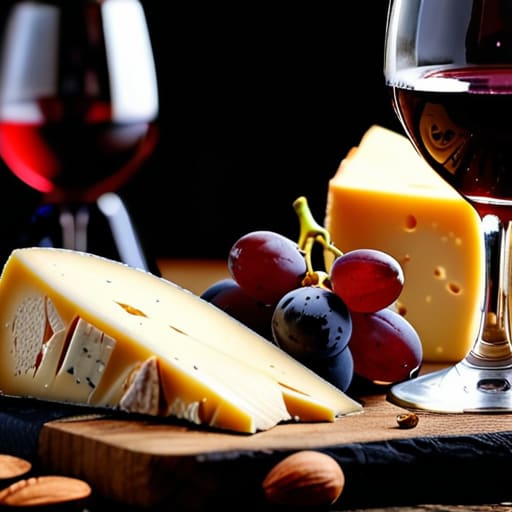
I was at this incredibly stuffy gallery opening last month, and I swear, people were treating the snack table like it was a sacred ritual. There was this one guy spending ten minutes lecturing a group about the “nuanced profiles” of certain cheese pairings, acting like you needed a PhD just to enjoy a bit of brie with some crackers. Honestly? It was exhausting. We’ve been sold this idea that hosting a proper spread has to be intimidatingly expensive or involve a ridiculous amount of pretension, but that’s exactly what kills the vibe of a good night.
I’m not here to give you a lecture on flavor chemistry or tell you to spend your entire paycheck at a specialty importer. My goal is to show you that great cheese pairings are actually about simple, delicious combinations that let you get off your feet and back into the conversation. I’m going to share the easy, tried-and-true pairings I use in my own home—the kind that work with whatever you can find at your local market. Let’s focus on food that actually tastes good and keeps the energy warm and easygoing.
Table of Contents
Understanding the Flavor Profiles of Artisanal Cheese
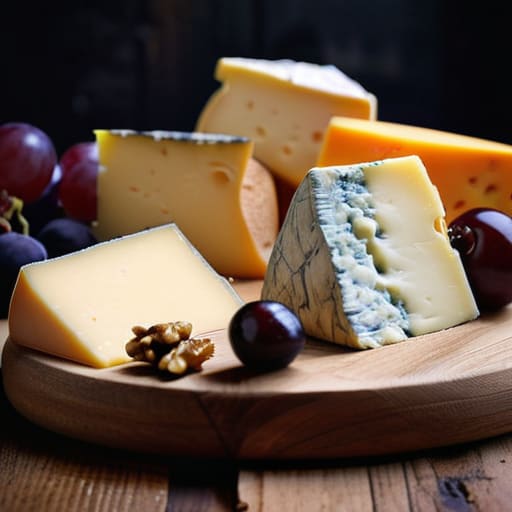
When you’re standing in the specialty aisle, staring at a wall of wedges, it can feel a bit overwhelming. But honestly, you don’t need to be a certified sommelier to get this. To keep things simple, I like to think about the flavor profiles of artisanal cheese in terms of intensity. You’ve got your light, milky, almost “cloud-like” cheeses—think fresh goat cheese or a creamy Brie—and then you have the heavy hitters, like an extra-sharp aged cheddar or a funky blue that really demands your attention.
A good rule of thumb I use when I’m working on a charcuterie board assembly is to make sure you aren’t serving everything at the same volume. If you have a really bold, pungent cheese, you’ll want something mild to balance it out so your guests’ taste buds don’t get totally exhausted. I also find that paying attention to the tasting notes for soft vs hard cheese helps a lot; soft cheeses tend to be more subtle and buttery, whereas hard cheeses often bring those lovely, salty, crystalline crunches that people just crave.
The Secret to Perfect Cheese and Fruit Combinations
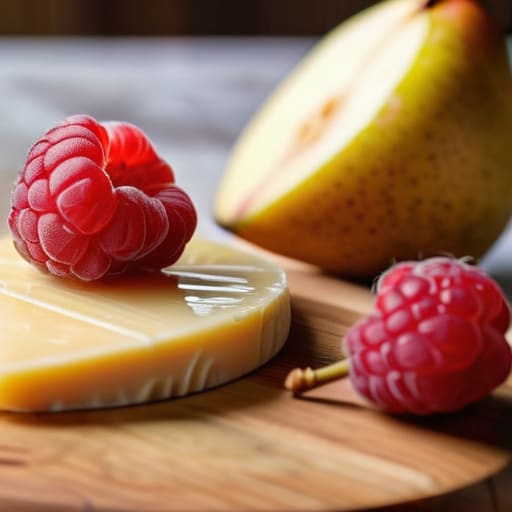
Now, let’s get into the fun part: pairing your cheeses with something sweet or juicy. I used to think you just threw whatever was in the crisper drawer onto a plate, but there’s a little bit of magic that happens when you match textures. The real secret to killer cheese and fruit combinations is balance. If you’ve picked out a really funky, pungent blue cheese, you need something like a ripe pear or some honey to cut through that intensity. On the flip side, if you’re serving a creamy brie, try pairing it with something tart like fresh raspberries or even some sliced figs to keep things from feeling too heavy.
When you’re working on your charcuterie board assembly, don’t be afraid to play with different moisture levels. I love adding a little bit of something jammy—like a fig spread or apricot preserves—to act as a bridge between a sharp cheddar and a handful of grapes. It’s all about creating those little flavor pops that make people go, “Oh, wow, that’s actually delicious!” Just keep it simple and let the natural sweetness of the fruit do the heavy lifting.
My little cheat sheet for a foolproof cheese board
- Don’t go overboard with too many varieties. I used to think more was better, but honestly, picking three or four really distinct textures—like one creamy brie, one sharp cheddar, and one crumbly blue—is way more impactful than a crowded board of mediocre options.
- Balance the salt with something sweet. If you’ve got a really salty, aged cheese, you absolutely need some honey, fig jam, or even just some sliced pears to act as a palate cleanser so your guests don’t feel overwhelmed.
- Think about the “crunch factor.” A cheese board can get a bit mushy if you aren’t careful, so I always make sure I have a mix of textures, like some thin, crisp crackers and maybe some toasted walnuts to add a bit of bite.
- Temperature is everything, so don’t pull the cheese straight from the fridge and serve it. Let it sit out on the counter for about thirty minutes before people arrive; it actually lets the flavors open up and makes the texture much more luscious.
- Keep it simple with your drinks. You don’t need a sommelier to pull this off—just having a decent bottle of bubbly or even a crisp cider on hand works wonders for cutting through the richness of the cheese.
My golden rules for a stress-free cheese board
Don’t feel like you have to buy the most expensive wedge in the shop—just aim for a mix of textures, like something creamy, something hard, and something a bit funky.
Keep the prep simple so you aren’t stuck in the kitchen all night; slice your cheeses ahead of time so you can actually grab a glass of wine and join the conversation.
Remember that the best pairings are the ones that actually taste good to you, so don’t be afraid to ditch the “rules” and serve what you know your friends will love.
Keep it simple
At the end of the day, you don’t need a gold-leafed cheese board to impress anyone; you just need a few good wedges, something sweet to balance the salt, and enough space on the table for everyone to actually lean in and talk.
Saoirse Mullan
Final Thoughts Before You Dig In
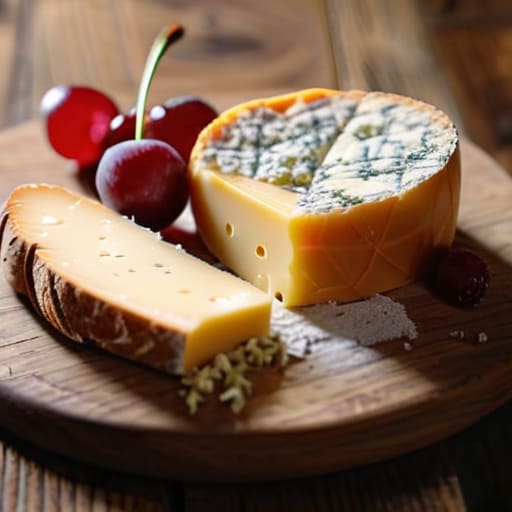
At the end of the day, building a cheese board doesn’t require a culinary degree or a massive budget. Just remember to balance those heavy, creamy textures with something bright and acidic, like a crisp fruit or a tangy jam. Whether you’re playing with the sharp contrast of an aged cheddar against sweet honey or finding that perfect middle ground between a funky blue and a salty cracker, the goal is simply to create a little bit of variety. Don’t feel like you have to follow every rule in a textbook, either. If you’ve got a few good cheeses, some crusty bread, and a handful of seasonal bits, you are already more than halfway to a successful spread.
Most importantly, please don’t let the stress of “getting it right” keep you stuck in the kitchen while everyone else is out in the living room. I’ve learned over the years that people won’t remember if your brie was sliced perfectly or if you used the “correct” type of grape; they’ll remember the way the room felt and the laughs you shared over a shared plate. So, grab a glass of wine, pull your favorite cheeses onto a wooden board, and just start hosting. The best memories aren’t made in a perfectly curated showroom—they’re made in the messy, delicious middle of a great conversation.
Frequently Asked Questions
Do I really need to buy all these different types of cheese, or can I just stick to a few crowd-pleasers?
Honestly? Please don’t feel like you need to go overboard. I’ve seen people stress themselves out trying to curate a twenty-cheese board, and half of it just sits there untouched. Stick to three or four solid options: something creamy like a Brie, a sharp aged Cheddar, and maybe a funky blue or a tangy goat cheese. It’s much more relaxed, easier on your wallet, and keeps the focus on the conversation rather than the menu.
Is there a way to do a cheese board that doesn't look like a total mess if I'm using mismatched vintage plates?
Honestly, that’s my favorite way to do it! Mismatched vintage plates are so much more soulful than a sterile slate board anyway. The trick is to lean into the “organized chaos.” Instead of trying to make everything symmetrical, group your plates by color or size to create little clusters. I usually scatter some loose grapes or sprigs of rosemary between the plates to bridge the gaps. It makes the whole spread look intentional, not messy.
What should I do if I have guests with allergies or people who aren't huge fans of strong-smelling cheeses?
Honestly, don’t let it stress you out! I always tell my clients: the goal is connection, not a culinary interrogation. Just keep a few “crowd-pleaser” options on hand—think a mild Manchego or a creamy Havarti—that won’t offend anyone’s nose. For allergies, I love using small, separate ramekins for nuts or honey so there’s no cross-contamination. Just label things clearly so your guests feel safe and can actually relax.
