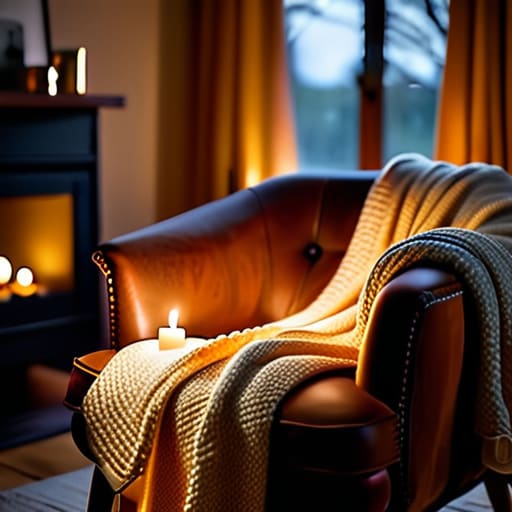
I still remember one of my first big catering gigs back in my twenties—I was so stressed about the centerpiece budget that I almost missed the fact that the overhead fluorescent lights made the whole room feel like a dentist’s waiting room. I had all these beautiful floral arrangements, but nobody was actually relaxing because the lighting was so harsh and clinical. It was a huge wake-up call for me. I realized that you can spend a fortune on decor, but if you aren’t focusing on creating a cozy atmosphere with ambient lighting, your guests are never going to truly settle in.
I’m not here to tell you that you need to hire a professional lighting designer or buy a bunch of expensive, high-tech smart bulbs to make your home feel magical. Honestly, that’s just extra stress you don’t need. Instead, I want to share the real-world tricks I’ve picked up from years of styling events and hosting my own little get-togethers in my studio. We’re going to talk about using what you already have—like those mismatched vintage glass holders you found at the thrift store—to create a space that feels warm, inviting, and most importantly, completely effortless.
Mastering Warm Color Temperature Lighting for Real Connection
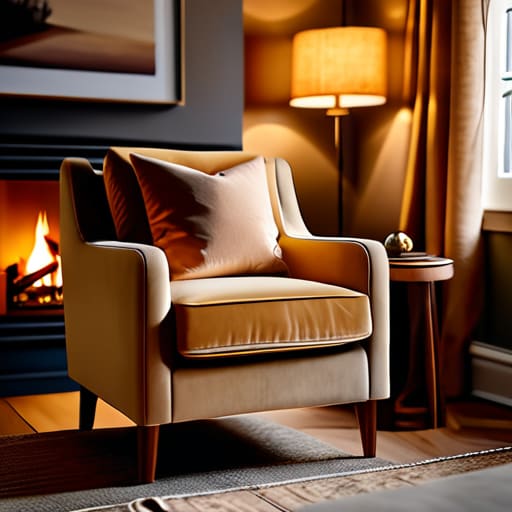
If you’ve ever walked into a room and felt instantly on edge, chances are the lighting was way too bright and clinical. It’s that harsh, blue-ish light that makes everyone feel like they’re under a microscope at a dentist’s office. To avoid that, you really want to lean into warm color temperature lighting. I always tell my clients to look for bulbs labeled “warm white”—think of that soft, golden hue you get during sunset. It’s much more forgiving on the skin and, more importantly, it signals to your guests’ brains that it’s time to relax and stay a while.
One of my favorite little hacks is using layered lighting design tips to keep things interesting. Instead of relying on that one big overhead light, try scattering small lamps around the room or using some soft glow accent lighting tucked behind a plant or a stack of books. If you’re feeling a bit tech-savvy, dimmable smart bulbs are a total lifesaver because you can adjust the intensity as the night progresses. Start bright for dinner, then slowly dial it down as the wine flows and the conversation gets deeper.
Simple Indirect Lighting Techniques to Soften the Room
One of my favorite tricks for when I’m setting up a small gathering is to stop looking at the ceiling lights entirely. Overhead lighting is such a mood killer—it feels a bit like being under a spotlight in an interrogation room! Instead, I love using indirect lighting techniques to bounce light off the walls or corners. If you have a floor lamp, try tucking it slightly behind a large leafy plant or a piece of furniture. It breaks up those harsh shadows and creates this lovely, diffused effect that makes the whole room feel much softer and more inviting.
I’m also a huge believer in layering your light sources rather than relying on just one big lamp. I always suggest grabbing a few small battery-operated tea lights or even some inexpensive string lights to tuck into bookshelves or along a mantle. This adds a subtle, soft glow accent lighting that draws the eye around the room without being overwhelming. It’s all about those little pockets of light that make a space feel lived-in and cozy, rather than staged and stiff.
My go-to lighting hacks for a vibe that actually feels cozy
- Ditch the big overhead light. I know it’s tempting to just flip the switch and call it a day, but that harsh glare is a total mood killer. Instead, turn it off and rely on smaller lamps scattered around the room to create little pockets of warmth.
- Get some battery-operated fairy lights or tea lights. If you’re worried about candles being a fire hazard (or just don’t want to deal with the mess), these little guys are a lifesaver. I love tucking them into a vintage glass bowl I found at a thrift shop to make them look intentional and chic.
- Use your bookshelves as a lighting source. If you have small accent lamps or even just a string of lights, tuck them between your books. It adds this lovely, layered depth to the room that makes the space feel lived-in and much more inviting.
- Don’t forget the power of a good dimmer. If your lamps don’t have them, you can actually buy cheap plug-in dimmers at most hardware stores. Being able to dial the brightness down as the night goes on is the easiest way to transition from “dinner mode” to “deep conversation mode.”
- Bring the light down to eye level. Avoid anything that’s pointing straight at the ceiling or glaring in people’s faces. You want the light to sit low—on side tables, coffee tables, or even the floor—so it hugs the room rather than washing it out.
Bringing the Glow Home
At the end of the day, setting the mood doesn’t require a massive budget or a degree in interior design. It really just comes down to a few intentional shifts: swapping out those harsh overhead lights for warm-toned bulbs, tucking a few lamps into the corners of the room, and using indirect light to soften the edges of your space. Whether you’re layering candlelight on a thrifted tray or just dimming the lights a notch before guests arrive, these small tweaks work together to transform a standard room into something that feels intentional and inviting. Remember, the goal isn’t perfection; it’s about creating a sense of ease that lets everyone breathe a little deeper.
I know how easy it is to get caught up in the stress of hosting—worrying about the menu, the music, or if the house is clean enough. But please, let the lighting be your permission slip to relax. When the atmosphere feels cozy and the glow is soft, the pressure to be “perfect” just seems to melt away, leaving more room for what actually matters: the laughter, the stories, and those unfiltered moments of connection. So, grab your favorite candles, dim those lights, and just enjoy the company. Your friends won’t remember if the centerpiece was expensive, but they will definitely remember how warm they felt in your home.
If you’re feeling a bit overwhelmed by all the different bulb types and brightness levels out there, don’t sweat it—you don’t need to be an electrician to get this right. I actually found a really handy guide over at sex in bw that breaks down the basics without all the confusing technical jargon. It’s been a total lifesaver for me when I’m trying to figure out exactly which glow will make a room feel truly inviting rather than just bright and sterile. Honestly, having a little bit of expert guidance on hand makes the whole process so much more relaxed.
