I used to think that a beautiful tablescape design required a massive budget and a team of assistants, mostly because that’s what I saw in those glossy, untouchable magazines during my years working in high-end catering. But honestly? Those towering, stiff floral arrangements are actually terrible for hosting. They block your view of the person sitting across from you and make everyone feel like they’re dining in a museum rather than a home. I’ve spent way too many nights watching guests try to awkwardly lean around a massive centerpiece just to ask for the salt, and let me tell you, it kills the vibe every single time.
I’m not here to teach you how to spend a fortune or follow rigid, formal rules that make your guests feel stiff. Instead, I want to share my favorite low-stress, high-impact secrets for setting a table that feels intentional but totally effortless. We’re going to focus on things like cozy lighting, mismatched vintage finds, and textures that invite people to actually stay a while. My goal is to help you create a space where the decor fades into the background and the conversation takes center stage.
Table of Contents
Embracing Minimalist Table Styling for Better Conversation
Embracing Minimalist Table Styling for Better Conversation
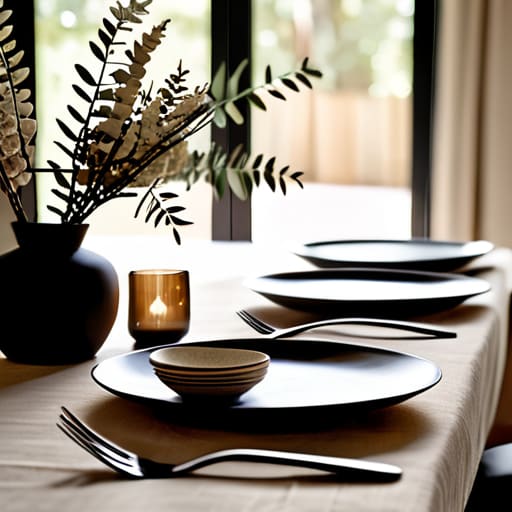
Honestly, I’ve seen so many beautiful setups where guests end up leaning around a massive, towering floral arrangement just to see the person sitting across from them. It’s lovely for a photo, but it’s a total buzzkill for actual connection. I’m a huge advocate for minimalist table styling because it clears the physical and mental clutter. When you strip away the excess, you’re essentially telling your guests that their presence is the most important thing on the table.
Instead of aiming for those intimidating, high-end luxury event table settings you see in magazines, try focusing on the basics. A few scattered tea lights, some simple linen napkins, and maybe a single branch in a vintage vase you found at a thrift shop is plenty. This approach keeps the focus on the food and the faces around the table. By keeping the center of the table low and open, you create an environment where eye contact is easy and the conversation can actually flow naturally without anyone feeling like they’re navigating an obstacle course.
Warm Seasonal Table Setting Ideas That Feel Like a Hug
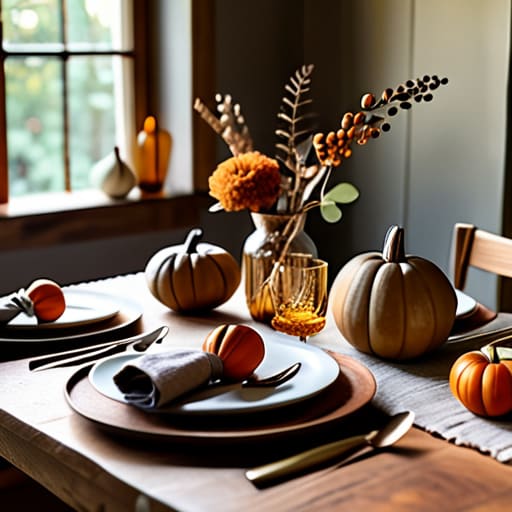
When the weather starts to turn, I love leaning into textures that make everyone want to linger just a little bit longer. For me, the best seasonal table setting ideas aren’t about buying a themed kit from a big-box store; they’re about bringing the outside in. In the autumn, I’ll grab some mismatched amber glass from my latest thrift haul and nestle it among a few dried eucalyptus branches or even some simple, unpolished mini pumpkins. It’s all about creating those warm, layered textures that make a room feel lived-in rather than staged.
If you’re hosting a cozy winter dinner, don’t feel pressured to aim for those stiff, luxury event table settings you see on Pinterest. Instead, focus on a soft color palette coordination—think deep forest greens, creamy linens, and plenty of unscented taper candles. I always say, the goal is to create an atmosphere that feels like a hug. When the lighting is low and the colors feel grounded, your guests will naturally relax, and that’s when the real magic happens.
My Little Secrets for a Table That Actually Works
- Don’t forget the lighting. I’m a firm believer that overhead lights are the enemy of a good vibe. Instead, scatter a handful of tea lights or some unscented taper candles around the table. It creates this soft, golden glow that makes everyone look better and feel instantly more relaxed.
- Mix and match your vintage finds. One of my favorite things to do is pull mismatched glassware from my thrift store hauls. You don’t need a set of twelve identical crystal goblets; a collection of different heights and textures actually makes the table feel more lived-in and less like a museum display.
- Keep the centerpieces low. There is nothing worse than trying to have a deep conversation while staring at a massive floral arrangement that blocks your view of the person sitting opposite you. If you’re using flowers, keep them tucked into small bud vases so everyone can actually see each other.
- Layer in some texture with linens. You don’t need expensive lace tablecloths to make an impact. A simple linen runner or even some textured cloth napkins can make the whole setup feel intentional and cozy rather than just “plates on a table.”
- Always keep a “fix-it” kit handy. This is my little quirk, but it’s a lifesaver: keep a roll of double-sided tape and some extra twine nearby. Whether a menu card won’t stay put or a napkin ring is acting up, you can fix those tiny little details in seconds without breaking the flow of the party.
Quick Tips for Your Next Gathering
Focus on the vibe, not the budget; a few thrifted glass pieces and some warm candlelight do more for the mood than expensive, stiff decor ever could.
Keep your centerpieces low so guests can actually see each other—the goal is meaningful conversation, not staring at a massive floral arrangement.
Don’t overthink it! Use what you have, add a bit of greenery, and remember that your friends are there for you, not for a perfect Pinterest setup.
My Golden Rule for Hosting
At the end of the day, your tablescape shouldn’t be a museum exhibit that people are afraid to touch; it should be a soft, inviting backdrop that makes your guests feel like they can lean in, grab a glass of wine, and stay for hours.
Saoirse Mullan
Bringing It All Home
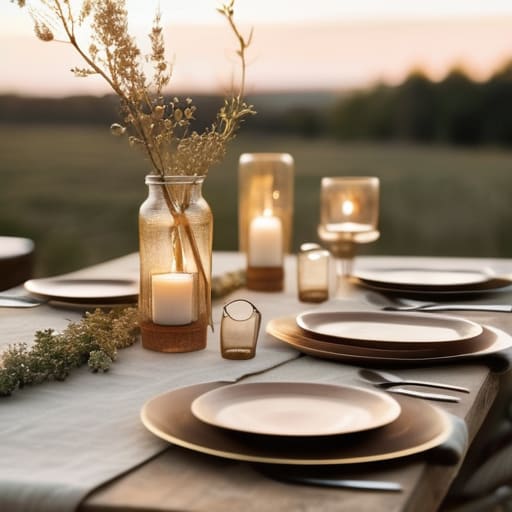
At the end of the day, whether you’re leaning into a super stripped-back minimalist look to keep the focus on the chatter, or you’re layering on all those cozy, seasonal textures that make a room feel lived-in, the goal is the same. You don’t need to spend your entire paycheck at a high-end home decor store to make an impact. Just remember to prioritize those intentional little touches—like a few mismatched vintage glasses from your latest thrift find or a handful of unscented tea lights—that make the setting feel curated rather than cluttered. It’s about finding that sweet spot where the decor supports the mood without getting in the way of the people sitting around the table.
If you find yourself stressing over whether the linen napkin is perfectly straight or if the centerpiece is too high, just take a deep breath and let it go. Your friends aren’t coming over to critique your styling skills; they’re coming to see you and to feel at home. The most beautiful tablescapes are the ones that feel relaxed and inviting, because they allow everyone to simply exhale and be present. So, light those candles, pour the wine, and focus on the magic that happens when good food meets even better company. You’ve totally got this!
Frequently Asked Questions
I love the idea of keeping it simple, but how do I stop a minimalist table from looking a bit empty or unfinished?
Oh, I hear you! There is a fine line between “intentional minimalism” and “I forgot to finish setting the table.” The secret is all in the textures. Instead of adding more stuff, add more depth. Think about layering a linen runner over your tablecloth, or using mismatched vintage glassware from my latest thrift haul. A few scattered tea lights or some loose greenery can fill those awkward gaps without cluttering the space or blocking anyone’s view.
Are there any specific thrift store finds I should keep an eye out for to add some character without breaking the bank?
Oh, I could talk about this for hours! Seriously, my thrift store runs are my therapy. Keep your eyes peeled for mismatched vintage glassware—the kind with those beautiful, chunky textures or soft amber tints. They catch the candlelight so perfectly. Also, don’t sleep on old brass candlesticks or even unique ceramic bowls. They add so much soul to a table without looking like you bought a “set” from a big-box store.
What’s your go-to trick for layering different textures, like linens and greenery, so everything feels cozy rather than cluttered?
Honestly, my biggest secret is starting with a “base layer” that has a bit of weight to it, like a heavy linen tablecloth. Once that’s down, I add something lighter—maybe a cheesecloth runner—to create some movement. When I add greenery, I try to tuck it directly into the folds of the fabric rather than just plopping it on top. It makes the textures feel intentional and nested, rather than just a bunch of stuff sitting on a table.
