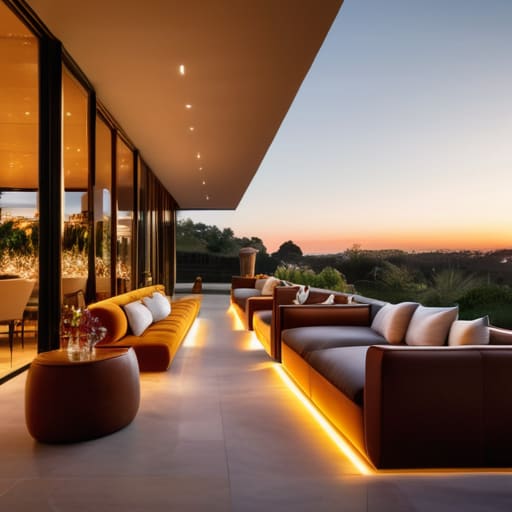
I’ll never forget one of my first big catering gigs back in the city; I spent three hours meticulously arranging heavy platters in a perfect line, only to watch a guest accidentally knock over a tray of champagne flutes because there was nowhere for anyone to actually stand. It was a total disaster, and it taught me that you can have the most stunning centerpieces in the world, but if your party flow and layout are a mess, your guests are going to spend the whole night feeling awkward and cramped. Honestly, there is nothing worse than a beautiful room that feels like a bottleneck.
I’m not here to give you a lecture on professional event architecture or tell you that you need to rent massive floor plans to make things work. Instead, I want to share the little, practical tweaks I’ve learned from years of styling real homes for real people. We’re going to focus on how to move furniture just enough to encourage conversation and how to set up your snack stations so people aren’t constantly bumping into each other. Let’s get your space ready for good vibes and actual connection, without the stress.
Table of Contents
Smart Buffet Station Positioning to Keep the Snacks Moving
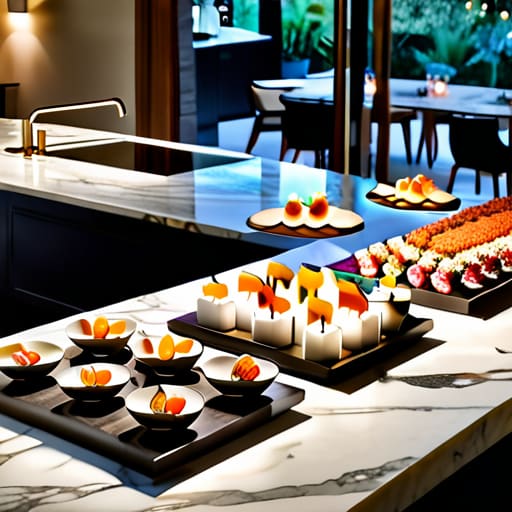
One of the biggest party killers is that awkward, slow-moving line where everyone is just standing there staring at the back of someone’s head. To avoid this, I always suggest thinking about your buffet station positioning as more than just a place to put the food. If you tuck the snacks in a tight corner, you’re essentially creating a bottleneck that kills the vibe. Instead, try pulling the table out into a more open area or even using a kitchen island. This helps with minimizing congestion areas because it allows people to approach the food from multiple sides, making the whole process feel way more fluid and less like a chore.
I also like to keep the “heavy hitters”—you know, the plates, the cutlery, and the napkins—at the very beginning of the line, but keep the drinks and desserts in a completely different spot. By separating the food from the bar, you’re naturally managing guest traffic patterns and preventing one massive cluster of people from hogging the entire room. It keeps the energy moving and gives everyone a reason to wander around and actually mingle.
Mapping Guest Traffic Patterns So Nobody Feels Stuck
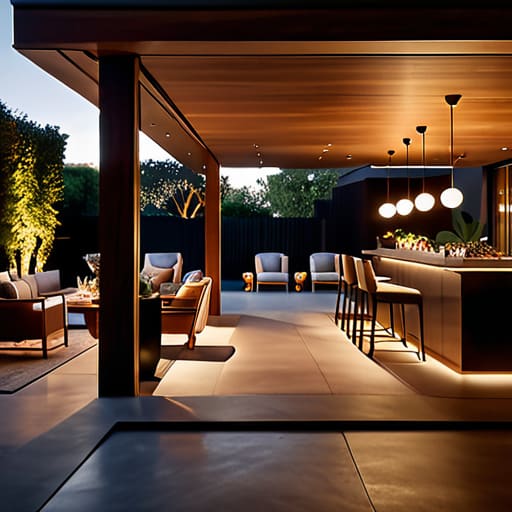
Once you’ve got your food stations set, you really need to think about the “invisible” paths your friends will take. I always tell my clients to imagine they are a guest walking through the door: where are they going to stand first? If you tuck your only seating area right next to the drinks, you’re going to create a massive bottleneck. To avoid this, try to spread out your socializing zones and seating so people aren’t all huddled in one corner. You want to create little pockets of space where someone can grab a drink and actually relax without feeling like they’re blocking the walkway to the bathroom or the snack table.
A big mistake I see is placing high-traffic items—like the bar or the main appetizer spread—in narrow hallways or tight corners. This is where you run into real issues with minimizing congestion areas. Instead, aim for an open loop. If you can guide people in a natural circle around the room, the energy stays light and fluid. It’s less about strict event floor plan optimization and more about making sure nobody feels trapped in a corner while trying to reach for a napkin.
Five ways to keep the vibes flowing (and the crowds moving)
- Don’t create a “dead end” by putting your only seating area in a corner; try to scatter a few extra chairs or floor cushions around so people can drift naturally from one little pocket of conversation to another.
- Keep the drinks away from the food! It sounds counterintuitive, but if the bar and the buffet are in the same spot, you’ll end up with a massive bottleneck that makes it impossible for anyone to actually grab a plate.
- Watch out for the “clutter trap”—if you have a tiny entryway, don’t pile all the coats and bags right where people are trying to walk in; it creates an immediate sense of chaos that can make guests feel a bit cramped the second they arrive.
- Use lighting to guide the way. You don’t need a spotlight, but having a dim lamp near the snack area or some fairy lights by the drinks tells people, “Hey, the action is over here!” without you having to say a word.
- Leave a little breathing room around your main furniture pieces. I know it’s tempting to squeeze every single chair into the room to fit more people, but if guests can’t turn around or pass someone without a full-on collision, the energy starts to feel a bit frantic.
My golden rules for a stress-free setup
Keep the “high-traffic” zones separate—don’t put the drinks right next to the food, or you’ll end up with a massive bottleneck that stops everyone from moving.
Create little pockets for conversation; a couple of cozy chairs tucked away from the main action can be a lifesaver for people who need a tiny break from the noise.
Prioritize accessibility over perfection; make sure there’s a clear path to the snacks and the bathroom so your guests aren’t constantly playing a game of human Tetris.
The secret to a great vibe
At the end of the day, I don’t care if your furniture is perfectly symmetrical; I just care that your guests aren’t constantly apologizing for bumping into someone while they’re trying to grab a drink. If people can move freely and find a cozy corner to settle into, you’ve already won.
Saoirse Mullan
Final Thoughts on Your Space
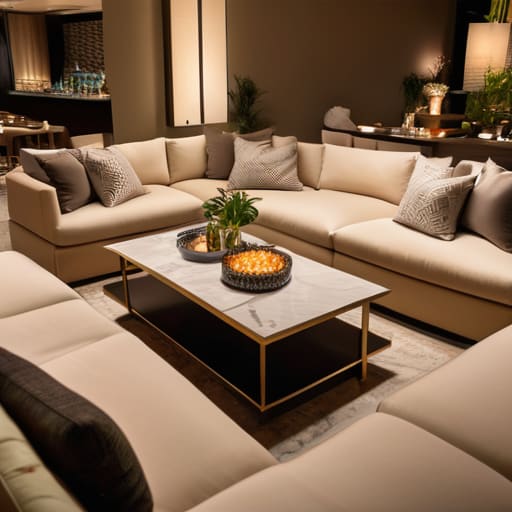
At the end of the day, setting up your home for a party isn’t about following a strict architectural blueprint. It’s just about those little tweaks we talked about—positioning your snack spread so it doesn’t become a bottleneck, and making sure there’s enough breathing room for people to wander without feeling like they’re in a crowded elevator. If you can keep the food accessible and the pathways clear, you’ve already done the heavy lifting. Remember, the goal is to minimize the friction so your guests can focus on the fun stuff, rather than wondering where the chips are or how to get past the sofa to reach the drinks.
Once the candles are lit and the first guest knocks on the door, I want you to take a deep breath and let go of any lingering perfectionism. You don’t need a professional crew or a perfectly manicured floor plan to host something beautiful. If a chair is slightly out of place or the buffet line gets a little long, it’s okay—it just means people are actually enjoying themselves. Focus on the warmth, the laughter, and the connection. When you prioritize comfort over a “picture-perfect” setup, you create a space where people truly feel at home. Now, go grab a drink and enjoy your party!
Frequently Asked Questions
What do I do if my living room is tiny and I'm worried people will be tripping over each other?
Oh, I’ve been there! When you’re working with a tiny footprint, less is definitely more. My first rule: clear the decks. Move that bulky armchair or the extra side table into the bedroom for the night—it sounds drastic, but you need every inch of floor space. Also, try “zoning” with rugs or even just grouping snacks in corners rather than one big central island. It keeps people from bunching up in one awkward spot!
Should I put the drinks in the same spot as the food, or keep them separate to spread people out?
Honestly, keep them separate! If you put the drinks right next to the food, you’ll end up with a massive bottleneck where people are bumping elbows just trying to grab a napkin. By setting up a little “drink station” on a side table or even a kitchen island, you naturally pull people into different parts of the room. It keeps the energy moving and prevents that awkward, crowded crush around the buffet.
How do I make sure the "wallflowers" actually feel comfortable joining a group instead of hovering in the corners?
Honestly, the best way to help those quieter guests is to avoid those awkward, empty corners. Instead of pushing all your seating against the walls, try creating little “conversation pockets” with a couple of cozy chairs or even just a cluster of floor cushions near a low table. If you place a small snack bowl or a drink station in a central, inviting spot, it gives people a natural reason to linger and chat without feeling like they’re “on display.”
