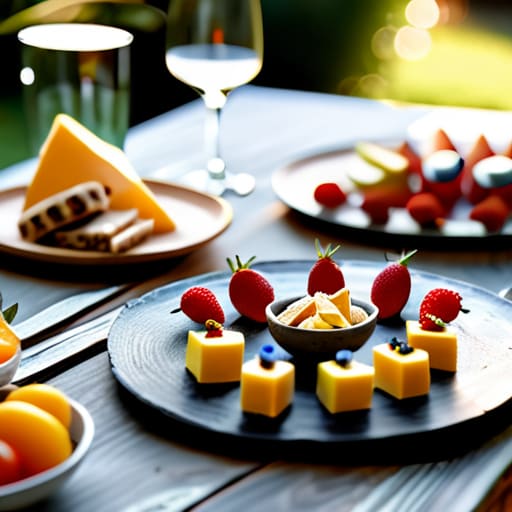
I still remember one of my first big catering gigs back in my twenties—I was sweating through my uniform, trying to coordinate a dozen different trays of tiny, overpriced hors d’oeuvres that nobody actually wanted to eat. Everyone was so focused on the “aesthetic” of the food that they forgot to actually enjoy it, and honestly, it felt so stiff. We get so caught up in the idea that high-end party catering options have to involve silver platters and complicated menus, but I’ve learned the hard way that fancy doesn’t always mean better. Most of the time, you’re just paying a premium for a presentation that keeps people from actually sitting down and relaxing.
I’m not here to sell you on some extravagant, budget-breaking service that leaves you feeling stressed and broke. Instead, I want to share what actually works when you’re hosting from your own home. I’ll be walking you through some realistic and delicious ways to feed your crowd, whether you’re DIY-ing a spread or hiring a local cook. My goal is to help you find the right balance so you can spend less time worrying about the menu and more time making memories with your favorite people.
Table of Contents
Affordable Party Food Ideas for Real Connection
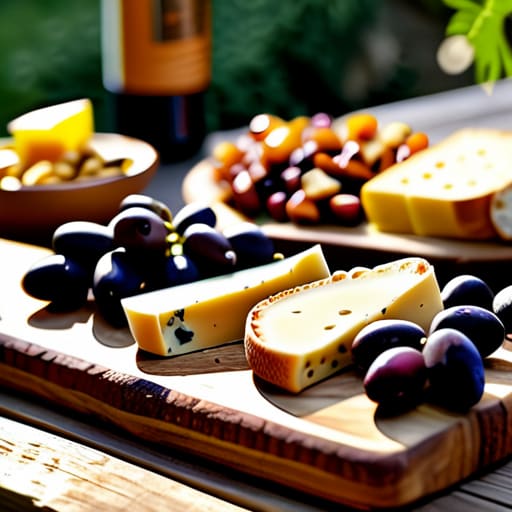
Honestly, I used to think you needed a massive budget to feed a crowd, but my years in catering taught me the opposite. If you want to keep things relaxed, skip the formal sit-down dinner and lean into affordable party food ideas like a “build-your-own” station. Think a gourmet taco bar or a massive grazing board filled with cheeses, nuts, and those funky olives I find at the thrift markets. It’s much more engaging than a stiff, plated meal; it gives people something to do with their hands while they chat.
When you’re deciding on the flow of the evening, I always suggest weighing the pros and cons of passed hors d’oeuvres vs buffet styles. If your space is a bit tight, a buffet is a lifesaver, but if you want to keep the energy moving, having a few easy-to-grab bites makes the room feel much more fluid. The goal isn’t to impress anyone with a five-course menu; it’s about creating a spread that feels abundant and approachable, so your guests can focus on the laughter rather than their forks.
Passed Hors Doeuvres vs Buffet Which Feeds the Soul
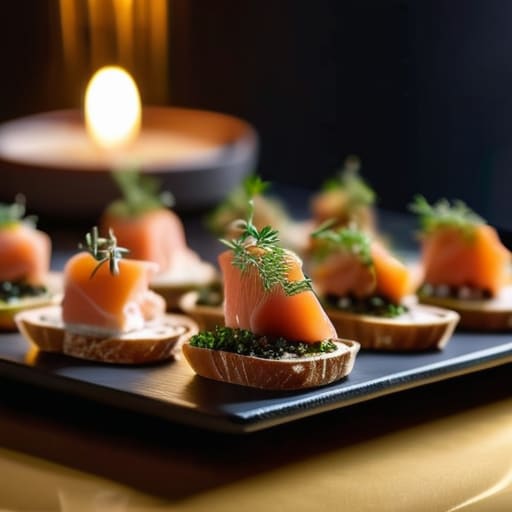
When you’re weighing up passed hors d’oeuvres vs buffet, it really comes down to the “vibe” you want to set for the evening. If I’m hosting a smaller, more intimate gathering where I want everyone to stay glued to their seats and actually finish a story, I lean toward passed bites. There’s something so lovely about a tray of warm, salty things making their way through the crowd; it keeps the energy moving without anyone having to stand in a line. It feels a bit more intentional, like you’re really looking after your guests.
On the flip side, if you’re looking at catering for large groups—say, a big housewarming or a milestone birthday—a buffet is your best friend. It’s much more relaxed and, honestly, a lot less stressful for the host. I love a good buffet because it lets people customize their plates based on how hungry they actually are. Just a little tip from my years in the industry: if you go the buffet route, try to keep the heavy lifting away from the main walkway so people aren’t bumping elbows while they’re trying to scoop up more potato salad.
My go-to rules for keeping the food easy and the vibes high
- Don’t try to do it all yourself. If you’re hosting, you should be holding a drink and chatting, not stuck in the kitchen hovering over a stove. If you can afford to order a few trays of something delicious from your favorite local spot, do it. It’s worth the peace of mind.
- Think about the “grab and go” factor. If people have to use a knife and fork just to get a bite of an appetizer, they aren’t going to mingle—they’re going to stay anchored to one spot. Stick to things that can be eaten with one hand so the other is free for a glass of wine or a handshake.
- Always, always check for the “hidden” guests. I know it’s a pain, but asking about allergies or dietary restrictions beforehand isn’t just polite—it’s essential. There is nothing worse than seeing a friend stand awkwardly by the snack table because everything has gluten or dairy in it.
- Use what you have to make it look intentional. You don’t need matching professional platters; I actually love using a mix of mismatched vintage bowls from my thrift finds. It makes the spread feel more like a cozy dinner at home rather than a stiff corporate event.
- Keep the “heavy lifting” for the end. If you’re doing a buffet, try to have the bulk of the food ready to go at once so people aren’t trickling in and out of the kitchen all night. You want everyone to settle in and stay settled.
My Golden Rules for Stress-Free Hosting
Prioritize flavor and “flow” over fancy presentation; if the food is easy to eat while standing and talking, you’ve already won half the battle.
Don’t feel pressured to do it all yourself—choose between a buffet for casual mingling or passed bites for a more intimate vibe, depending on your space.
Keep your budget focused on quality ingredients that people actually love, rather than spending a fortune on decor that doesn’t feed anyone.
The heart of the table
At the end of the day, your guests won’t remember if the salmon was served on fine china or a mismatched thrifted platter; they’ll remember how easy it felt to grab a bite and actually sit down to catch up.
Saoirse Mullan
Making It Your Own
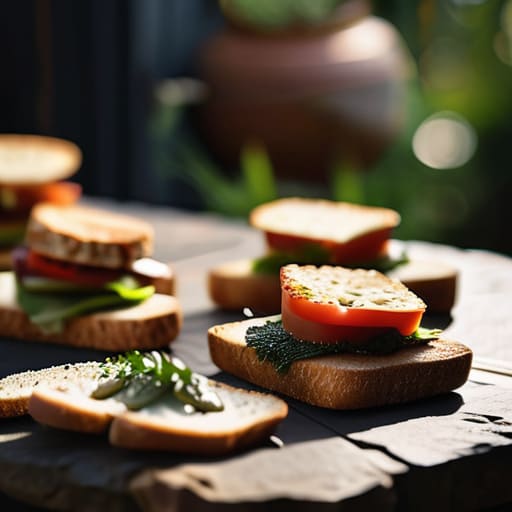
At the end of the day, choosing between a spread of DIY finger foods or a structured buffet isn’t about following a rulebook; it’s about deciding how you want your guests to actually move through your space. Whether you’re leaning into affordable, crowd-pleasing comfort foods or trying to decide if passed bites are worth the extra effort, the goal remains the same: removing the barriers between your friends and the food. You don’t need a massive budget or a formal catering contract to make a statement. Just focus on serving things that taste good and choosing a style that lets your guests relax, grab a plate, and settle in without feeling like they’re at a stiff corporate gala.
I know how easy it is to get caught up in the logistics and start stressing over the “perfect” menu, but please, take a breath and remember why you’re doing this in the first place. You aren’t hosting a competition; you’re hosting a gathering of people you love. If the sliders are a little late or the buffet line is a bit slow, it won’t matter if the vibe is warm and the conversation is flowing. So, grab that roll of tape from your purse, dim the lights, and trust your gut. The best parties aren’t the ones that look like a magazine spread—they’re the ones where everyone feels like they can truly be themselves.
Frequently Asked Questions
How do I figure out how much food to actually order so I don't end up with a mountain of leftovers or, even worse, hungry guests?
This is the question that keeps me up at night! Honestly, the secret is to plan for the “vibe” of the event. If it’s a cocktail hour with just nibbles, people eat way more than you’d think—aim for about 6-8 pieces per person per hour. For a full dinner, I usually budget for about 1.5 servings of the main dish. Always err on the side of a little extra; nobody ever left a party feeling sad because there was too much bread!
Is it better to hire a full catering team or just pay for a local restaurant to drop off large trays?
Honestly, it really depends on your budget and how much you want to actually enjoy your own party. If you’re just hosting a casual get-together, having a local spot drop off some big, delicious trays is a total lifesaver and keeps things low-stress. But, if you want to be a guest at your own event instead of playing waiter, hiring a team to handle the setup and cleanup is worth every penny.
What’s the best way to handle dietary restrictions without making my guests feel like a total hassle?
Honestly, I used to stress so much about this, but the secret is just being upfront early on. When you send out your invite, add a little note like, “Let me know if you have any allergies or dietary quirks so I can make sure there’s something delicious for you!” It makes people feel seen, not like a burden. Then, just label your dishes clearly. If everyone can eat the same taco bar, nobody feels left out.
