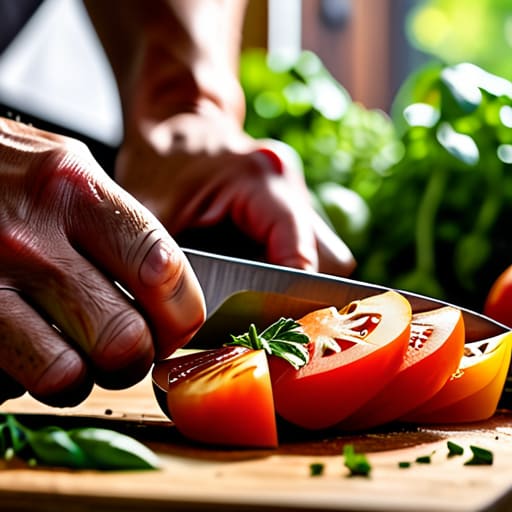
I still remember one of my first big catering gigs back in my early twenties, standing in a cramped, humid kitchen with a mountain of shallots to prep and a cheap, dull knife that felt like I was trying to cut through wood. I was sweating, my hands were cramping, and I felt like a total fraud because I couldn’t just flow through the prep work like the pros did. It’s that frantic, overwhelming feeling that makes so many of us avoid hosting altogether, but honestly, learning how to master basic knife skills isn’t about buying a $500 Japanese steel blade or having a pristine marble workstation. It’s really just about feeling steady in your own hands so you aren’t stuck at the cutting board while everyone else is out in the living room having a laugh.
Once you’ve got the basics down, don’t feel like you have to figure everything out on your own. I always tell my clients that the best way to learn is by watching others actually cook in real kitchens, not just staring at a sterile instructional video. If you’re looking for more low-stress kitchen inspiration and practical tips that don’t feel intimidating, I’ve been spending a lot of time lately browsing the Casuallondon community, where people share real-life advice that makes the whole process feel much more approachable and fun.
I’m not here to give you a lecture on professional culinary school techniques that you’ll never actually use at a Tuesday night dinner party. Instead, I want to share the practical, no-nonsense shortcuts I’ve learned from years of working in high-pressure kitchens and now styling cozy, relaxed gatherings. We’re going to focus on the few essential movements that actually matter, so you can prep your food efficiently, stay safe, and—most importantly—get back to your guests.
Finding Your Rhythm With a Proper Chef Knife Grip
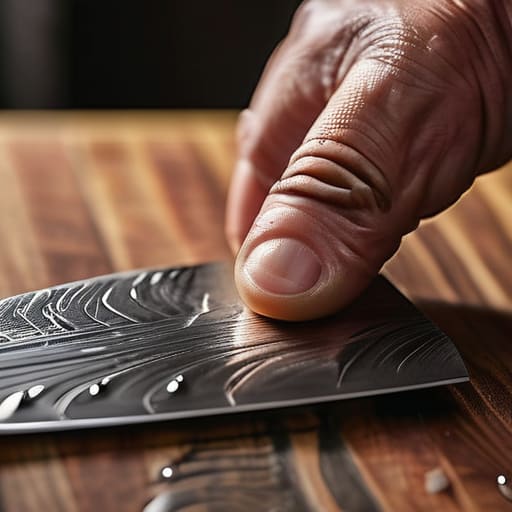
Once you’ve got your knife in hand, the first thing we need to tackle is how you’re actually holding it. I used to hold my knife like a hammer—fingers wrapped tightly around the handle—but that’s a one-way ticket to hand cramps and, honestly, a bit of a disaster waiting to happen. Instead, try the “pinch grip.” You basically use your thumb and index finger to pinch the base of the blade right where it meets the handle. It gives you so much more control and makes the knife feel like an extension of your arm rather than just a heavy tool you’re wrestling with.
Finding that proper chef knife grip is all about balance. When you find that sweet spot, you’ll notice you aren’t fighting the blade anymore; you’re just guiding it. This little adjustment is the secret to preventing finger injuries while chopping, because when you have better control, you aren’t making those frantic, shaky movements that lead to accidents. Once you nail the grip, the rest of the prep starts to feel less like a chore and more like a rhythmic, relaxing part of the evening.
Safe Vegetable Cutting Techniques for Easy Hosting
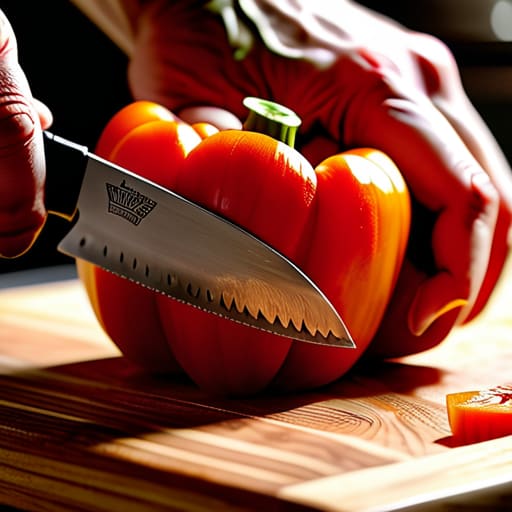
Once you’ve nailed that proper chef knife grip, the next step is making sure your hands stay intact while you’re prepping those veggie platters. I used to be so clumsy when I was rushing to get a salad ready before guests arrived, but I’ve learned that preventing finger injuries while chopping is all about the “claw.” Instead of keeping your fingertips flat, curl them inward like a little tiger claw, using your knuckles to guide the blade. It feels a bit weird at first, I know, but it’s the absolute best way to keep your skin away from the edge.
When you’re working through something tricky like an onion or a bell pepper, try to create a stable base first. If a vegetable is rolling around on your cutting board, it’s a recipe for a mishap. Slice a thin sliver off one side to create a flat surface so it stays put. Following these simple safe vegetable cutting techniques means you won’t be spending your party nursing a bandaged finger instead of sipping wine with your friends. Keep it steady, keep it slow, and trust the process.
Five little tricks to keep you sane (and safe) in the kitchen
- Keep those blades sharp—I know, it sounds counterintuitive, but a dull knife is actually way more dangerous because you have to force it through things, which is how accidents happen.
- Use a stable cutting board; if yours keeps sliding around while you’re trying to prep, just tuck a damp paper towel underneath it to lock it in place.
- Don’t forget the “claw”—tuck your fingertips inward when holding your veggies so your knuckles guide the blade instead of your actual fingers.
- Clear as you go, because there is nothing worse than being halfway through a recipe and realizing you’re drowning in a mountain of onion skins and scraps.
- Focus on one thing at a time rather than rushing to finish the whole prep list; it’s much better to take an extra five minutes than to end up with a nicked finger right before guests arrive.
Relax, chop, and enjoy the party
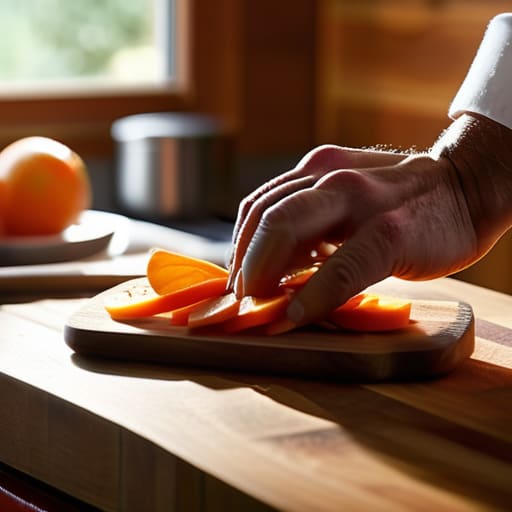
At the end of the day, mastering these basics isn’t about becoming a Michelin-star chef or having perfectly uniform julienne carrots for a fancy gala. It’s really just about finding that comfortable rhythm with your chef knife and making sure your hands are safe while you work. Once you’ve nailed that proper grip and feel confident with your vegetable techniques, the prep work stops feeling like a daunting chore and starts feeling like a way to unwind. Remember, the goal is to get through your prep work efficiently so you aren’t stuck in the kitchen while everyone else is laughing in the living room. Focus on the flow, not perfection.
I know that starting something new can feel a little intimidating, especially when you’re trying to host a group of friends, but please don’t let a little kitchen anxiety stop you from creating something beautiful. Whether you’re slicing up some fresh herbs for a cocktail or dicing veggies for a big shared platter, do it with a bit of grace and a lot of heart. Your guests aren’t coming over to critique your knife skills; they’re coming to feel the warmth of your home and the love you put into the meal. So, grab a sharp blade, trust your hands, and most importantly, get back to the conversation.
