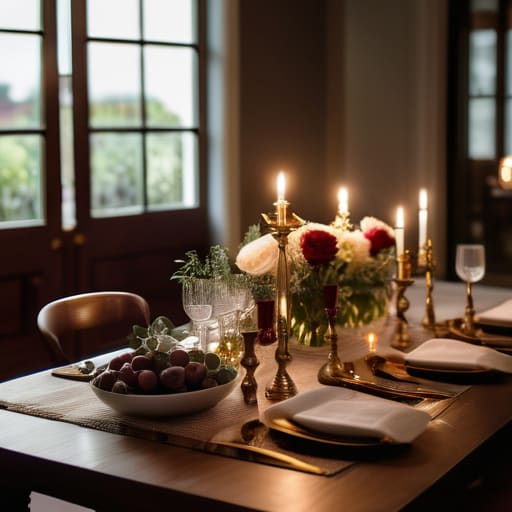
I used to think that hosting a themed dinner series meant I had to spend my entire paycheck on custom-printed menus and perfectly color-coordinated floral arrangements that would just die by Tuesday. Honestly, the sheer pressure to make every single night look like a spread from a high-end lifestyle magazine is exhausting and, frankly, a bit ridiculous. I’ve spent years in the catering industry watching people stress over the “perfect” aesthetic, only to realize that the guests were too busy laughing and eating to notice if the napkins matched the tablecloth.
If you’re tired of the performative hosting culture, I want you to take a deep breath. I’m going to show you how to pull off a themed dinner series that actually feels intentional without costing you a fortune or your sanity. We aren’t going to obsess over expensive props; instead, we’re going to focus on low-stress ways to build a vibe through cozy lighting, soulful music, and food that makes people want to linger long after the plates are cleared. Let’s get back to what matters: making your friends feel truly at home.
Table of Contents
- Creating Immersive Dining Concepts Without the Expensive Price Tag
- Using Gastronomy Storytelling to Connect Your Favorite People
- Five ways to keep your dinner series feeling cozy (and easy!)
- The Heart of the Matter: My Top Three Tips
- ## The Heart of the Table
- Bringing It All Together
- Frequently Asked Questions
Creating Immersive Dining Concepts Without the Expensive Price Tag
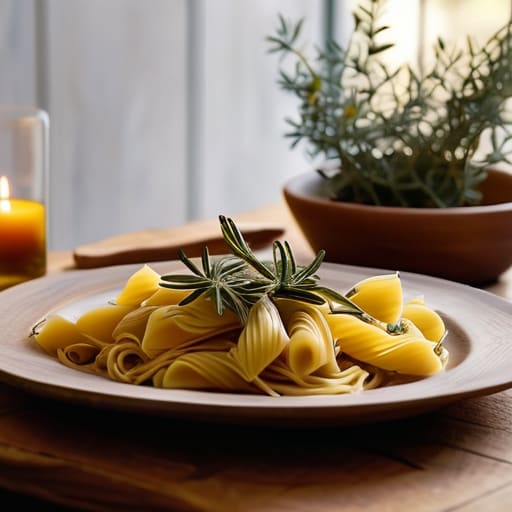
I know what you’re thinking—when we hear terms like “immersive dining concepts,” we immediately picture those high-end, white-tablecloth pop-ups where a single course costs more than my monthly grocery bill. But honestly? You can achieve that same sense of magic right in your own dining room without draining your savings. The secret isn’t in buying gold-rimmed plates; it’s about sensory storytelling. Instead of a massive budget, focus on a single, cohesive vibe. If you’re doing a Mediterranean night, don’t just serve pasta—scatter some dried oregano on the table, play some soft acoustic guitar, and use those mismatched amber glasses I found at the thrift store last weekend. It’s those tiny, intentional details that make people feel like they’ve stepped into another world.
You don’t need to hire a team for private chef dinner parties to make the food feel special, either. You can lean into gastronomy storytelling by picking a specific memory or season to center your menu around. If it’s autumn, let the menu reflect the harvest with earthy spices and warm colors. It’s about creating a mood, not a museum exhibit.
Using Gastronomy Storytelling to Connect Your Favorite People
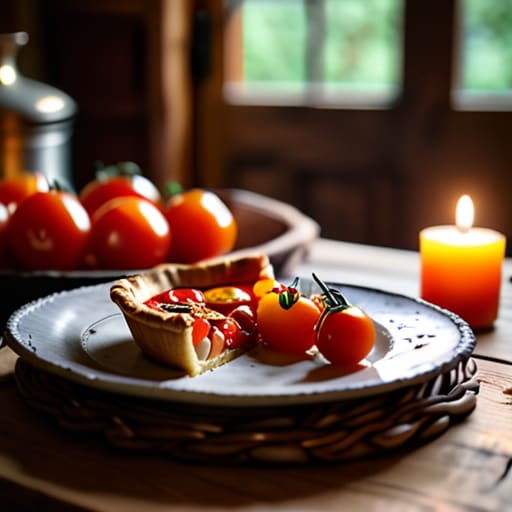
Instead of just putting a plate of pasta in front of someone, think about the story behind the meal. I’ve always felt that gastronomy storytelling is the secret sauce to a memorable night. Maybe you’re serving a dish that reminds you of a road trip you took in your early twenties, or perhaps you’re highlighting a specific heirloom tomato you found at the farmer’s market. When you share those little snippets of why a certain ingredient or recipe matters, you’re doing more than just feeding people—you’re inviting them into your world.
You don’t need to hire a team for private chef dinner parties to pull this off. You can easily mimic that high-end feeling by building a simple, cohesive narrative around your food. For example, if you’re doing a Mediterranean night, don’t just serve olives and feta; tell your friends about the specific seaside village that inspired your grandmother’s recipe. It turns a standard meal into a series of meaningful connections, making the evening feel intentional and deeply personal without requiring a massive budget.
Five ways to keep your dinner series feeling cozy (and easy!)
- Keep the menu simple so you aren’t stuck in the kitchen. Pick one “star” dish that fits your theme—like a big pot of slow-cooked ragu for an Italian night—and let everything else be easy assembly. If you’re too busy plating tiny garnishes, you’re missing out on the actual conversation.
- Use what you already have in your cupboards. I’m a huge fan of thrifting vintage glassware, but you don’t need a matching set of crystal to make things feel special. Mix and match different colored wine glasses or mismatched ceramic plates; it actually makes the table look more lived-in and intentional.
- Focus on “mood lighting” over bright overheads. This is my golden rule. Dim the lights, light a few unscented candles, or string up some fairy lights. It instantly softens the room and makes even a basic Tuesday night dinner feel like a real event.
- Create a low-key soundtrack that fits the vibe. If you’re doing a Mediterranean theme, find a breezy bossa nova playlist. If it’s a cozy winter series, go for some soft folk. Just keep the volume low enough that people don’t have to shout over their pasta.
- Don’t be afraid to let the theme be a little “rough around the edges.” You don’t need professional signage or custom menus. A few handwritten notes on some scraps of cardstock or even just telling your friends the “story” of the night when they arrive is more than enough to set the scene.
The Heart of the Matter: My Top Three Tips
Don’t sweat the expensive decor; focus on the vibe. Dim the lights, grab some mismatched vintage glassware from your local thrift shop, and prioritize cozy lighting over pricey centerpieces every single time.
Let the food tell the story. Instead of a complicated five-course meal, pick a theme that actually means something to your group—like a “childhood favorites” night—to get the conversation flowing naturally.
Keep it low-pressure so you can actually enjoy yourself. If you’re too busy playing host or fixing a centerpiece, you aren’t connecting with your guests, and that’s the whole point of bringing everyone together.
## The Heart of the Table
“At the end of the day, a themed dinner isn’t about having a perfectly coordinated color palette or matching linens; it’s about creating a little world where your friends feel safe enough to lose track of time and just be themselves.”
Saoirse Mullan
Bringing It All Together
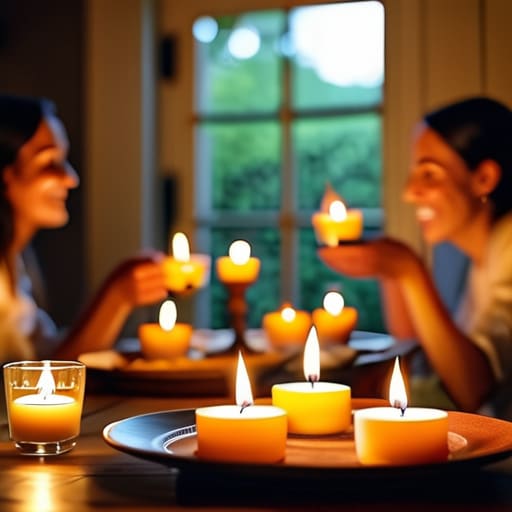
At the end of the day, hosting a themed dinner series isn’t about having a perfectly color-coordinated table or a menu that looks like it belongs in a Michelin-star magazine. It’s about the little things—the way a specific playlist sets the mood, how a simple, themed menu sparks a conversation, or even just the warm glow of some unscented tea lights scattered around the room. We’ve talked about keeping things budget-friendly and using food to tell a story, but don’t let the planning become a chore. If you focus on intentionality over perfection, you’ll find that your guests care way more about the vibe you’ve created than whether your napkins match the tablecloth perfectly.
So, please, stop waiting for the “perfect” moment or the “perfect” budget to start hosting. Your dining table is waiting, and your friends are probably craving that sense of connection just as much as you are. Grab those mismatched vintage glasses you found at the thrift store, dim the lights, and just start doing it. The best memories aren’t made in high-end banquet halls; they’re made in cozy living rooms, surrounded by good food and the people who make you feel most like yourself. You’ve totally got this!
Frequently Asked Questions
How do I pick a theme that isn't too cheesy or overwhelming to pull off?
Honestly, the best way to avoid that “tacky party store” vibe is to pick a mood rather than a costume. Instead of “Italian Night” with plastic tablecloths, think “Tuscan Summer Sunset”—focus on warm candlelight, mismatched vintage plates, and a big bowl of pasta. If you center the theme around a feeling or a specific memory rather than a literal trope, it feels intentional and cozy instead of overwhelming and cheesy.
I'm a terrible cook—can I still host a themed dinner series if I'm mostly using store-bought shortcuts?
Oh, absolutely! Please, let me stop you right there—you do not need to be a Michelin-star chef to be a great host. Honestly, some of my favorite nights involve a really good rotisserie chicken or high-quality store-bought pasta dressed up with some fresh herbs and fancy olive oil. It’s all about the presentation and the vibe. If the lighting is low and the wine is flowing, nobody is going to be auditing your kitchen skills!
What's the best way to handle dietary restrictions without totally ruining the "vibe" of the theme?
Honestly, this is the part that stresses everyone out, but don’t let it kill your mood! The trick is to make the “restricted” version feel like a deliberate choice, not an afterthought. Instead of making a separate, sad plate, try building your theme around naturally inclusive foods. Think a DIY taco bar or a Mediterranean spread—everything is modular, so guests can skip the feta or the gluten without feeling like they’re eating a different party.
