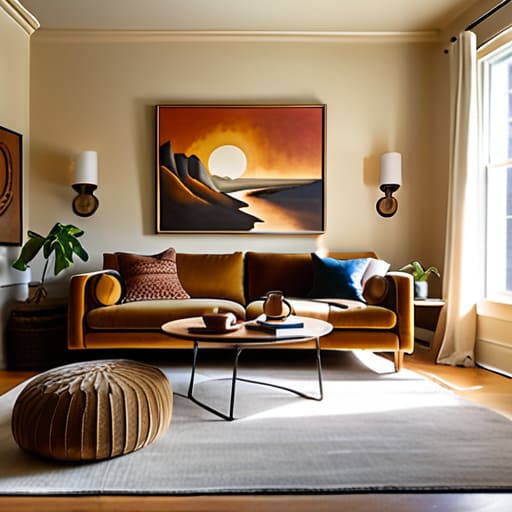
I still remember my first big gig as a freelance stylist, standing in a client’s living room with a handful of vintage prints and a mounting sense of dread. I had spent hours hunting for the perfect pieces, but the second I stepped back, everything felt… off. It wasn’t that the art was bad; it was that the placement felt totally disconnected from the room, like the pieces were just hovering awkwardly in space. I realized then that so many people fall into the trap of common mistakes when hanging wall art simply because they’re following outdated “rules” from interior design magazines instead of trusting their own eyes.
Look, I’m not here to give you a lecture on mathematical precision or tell you that you need a professional gallery installer to make your home look decent. My goal is to help you skip the frustration and the unnecessary trips back to the hardware store. I’m going to share the real-world fixes I’ve learned from years of styling cozy, lived-in spaces, so you can hang your favorite pieces with confidence. Let’s focus on making your walls feel warm and intentional, rather than just perfectly aligned.
Finding the Correct Eye Level for Artwork
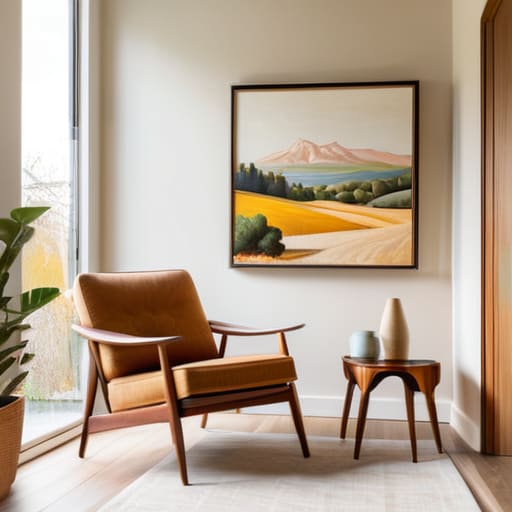
One of the biggest mistakes I see (and honestly, I’ve done it myself more times than I’d like to admit) is hanging art way too high. We’ve all been there—you step back, look at the wall, and suddenly your beautiful landscape looks like it’s trying to escape toward the ceiling. To avoid that awkward, museum-gone-wrong vibe, you really want to aim for the correct eye level for artwork. A good rule of thumb I always use is to place the center of the piece about 57 to 60 inches from the floor. This keeps the art right in the sweet spot where people can actually connect with it while they’re chatting.
If you’re working with a larger piece or a cluster of smaller ones, don’t feel like you have to follow a rigid ruler every single time. Instead, think about the furniture nearby. If you’re hanging something above a sofa, try to keep it a bit closer to the back of the couch so it feels like part of the room’s natural flow. It’s all about creating that cozy, intentional atmosphere rather than just filling up empty space.
Avoiding Crooked Picture Frames for a Cozy Vibe
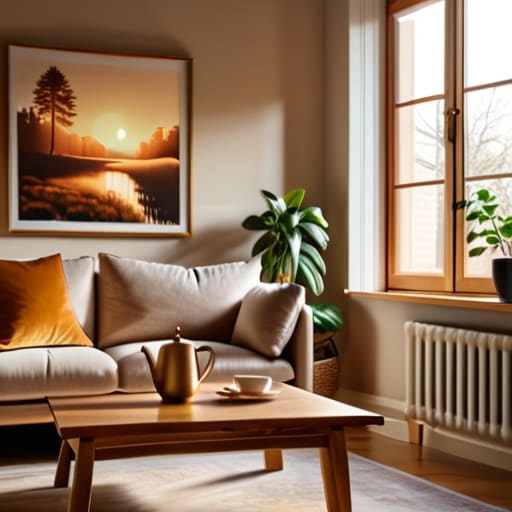
There is nothing that kills a cozy, curated vibe faster than a frame that’s leaning slightly to the left. I’ve been to so many lovely dinner parties where, mid-conversation, I found myself staring at a tilted landscape instead of listening to the host. It’s a total distraction! Avoiding crooked picture frames isn’t just about being a perfectionist; it’s about making sure the room feels intentional and calm rather than chaotic. Even if you’re going for that effortless, bohemian look, a frame that’s visibly sliding down the wall can make the whole space feel a bit neglected.
If you’re working with larger pieces, you really need to focus on hanging heavy frames securely so they don’t shift every time someone slams a door. I always recommend using a sturdy wall mounting hardware guide or even just a bit of my trusty double-sided tape behind the bottom corners of the frame to keep things locked in place. It’s a tiny, “secret” trick that keeps your art looking professional without needing a whole construction crew. Just take an extra second to double-check your level—your guests (and your eyes) will thank you.
Five Little Things That Make a Big Difference
- Stop treating your art like a gallery. I see people hanging tiny little prints way up high near the ceiling all the time, and it just feels disconnected from the room. Keep your pieces closer to your seating area so they feel like they’re part of the hang, not just floating aimlessly in space.
- Don’t go overboard with the “matching set” look. It’s tempting to buy a pack of six identical frames from a big-box store to make things easy, but it can end up looking a bit sterile. I love mixing in a thrifted vintage frame or two—it adds that lived-in, soulful character that makes a room feel cozy instead of staged.
- Mind the “floating” furniture problem. If you have a beautiful sideboard or a cozy velvet sofa, don’t hang your art way off in the distance. Your art should feel like it belongs to the furniture below it. A good rule of thumb I use is to keep the bottom of the frame a few inches above the piece of furniture so they feel like a single, intentional unit.
- Watch out for the “cluttered wall” trap. We all have that one wall we feel we have to fill, but sometimes less really is more. If you crowd too many pieces together without any breathing room, it starts to feel chaotic rather than curated. Give your favorite pieces a little space to actually breathe and be noticed.
- Light it right (or at least, don’t ignore it). There’s nothing that kills a mood faster than a glare from a ceiling light hitting a glass frame right in someone’s eyes. Before you hammer in that final nail, stand where your guests will be sitting and check for those annoying reflections. If it’s too bright, maybe try a small, warm lamp nearby instead.
Making It Your Own
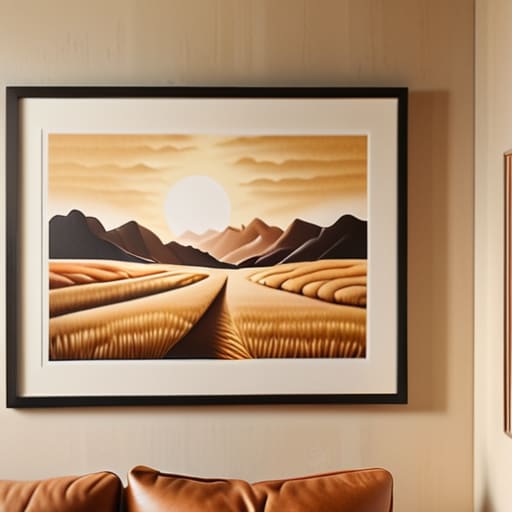
At the end of the day, decorating your home shouldn’t feel like a high-stakes math exam. We’ve talked about finding that sweet spot for eye level so your art doesn’t feel like it’s floating away, and we’ve covered how to keep things straight so your space feels intentional rather than chaotic. Just remember that even if a frame is a tiny bit tilted or a gallery wall is a little asymmetrical, it’s usually those tiny imperfections that actually give a room its character. Don’t let the fear of making a mistake keep you from finally getting those beautiful prints out of their shipping tubes and onto your walls.
My biggest piece of advice? Trust your gut over a measuring tape. If a piece of art makes you smile every time you walk past it, it belongs on your wall, regardless of whether it follows every single textbook rule to a T. Your home is meant to be a living, breathing space for you to enjoy, not a sterile museum meant for inspection. So, grab your hammer, maybe a little bit of that double-sided tape I’m always carrying around, and just start creating. The goal isn’t to have a “perfect” house; it’s to have a home that feels warm, welcoming, and completely yours.
Another thing that can totally kill the vibe of a room is when the art feels disconnected from everything else, like it’s just floating aimlessly in a sea of white wall. I always tell my clients to think about how the piece interacts with your furniture; if you have a low sideboard or a cozy reading nook, your art should feel like it’s part of the furniture arrangement rather than an afterthought. If you’re feeling a bit stuck on how to pull a specific room together or just need some fresh inspiration for your home’s layout, I’ve been spending a lot of time looking at tsladies augsburg lately for some really lovely aesthetic ideas that keep things feeling grounded and intentional.
