
I still remember one of my first big catering gigs where the client spent a small fortune on a professional clown, a bouncy castle, and a high-tech light show, only for the kids to spend the entire afternoon huddled in a corner playing with a cardboard box. It was such a heartbreaking waste of money. We get so caught up in the pressure to book expensive, flashy kids party entertainment that we completely forget what children actually do when they’re given a little bit of space and some simple tools. Honestly, if you’re feeling overwhelmed by the endless list of “must-have” performers and high-priced rentals, I want you to take a deep breath and just let it go.
In this post, I’m not going to sell you on any overpriced gimmicks or complicated schedules that leave you feeling like a stressed-out drill sergeant. Instead, I’m sharing my favorite low-stress, high-joy ideas that focus on real connection and simple fun. We’re going to talk about how to keep the little ones occupied without breaking your budget or your spirit, ensuring you actually get to enjoy a conversation (and a warm cup of coffee) while they play.
Table of Contents
- Why Professional Childrens Entertainers Arent the Magic Ingredient
- Choosing Birthday Party Themes for Toddlers That Feel Cozy
- My go-to tricks for keeping the little ones happy (without losing your mind)
- My golden rules for keeping it simple and sweet
- Keeping it real with the little ones
- Bringing it all home
- Frequently Asked Questions
Why Professional Childrens Entertainers Arent the Magic Ingredient

Don’t get me wrong, I’ve seen some incredible performers in my time working catering, but I’ve also seen how a loud, high-energy clown or a magician can accidentally hijack the entire vibe of a room. Sometimes, when we hire professional children’s entertainers, we’re actually creating a barrier between the kids and the actual celebration. Instead of a cohesive party where everyone feels included, you end up with a room full of spectators watching a show, rather than guests participating in a moment.
I always tell my clients that the best memories usually happen in the “in-between” moments. When you skip the expensive spectacle and focus on interactive party games for kids, you’re inviting them to be part of the magic themselves. Whether it’s a simple scavenger hunt or a DIY craft station, these activities allow the kids to bond and actually play together. It’s much more rewarding to see them laughing with their cousins over a shared game than watching them sit in a circle, mesmerized by a stranger.
Choosing Birthday Party Themes for Toddlers That Feel Cozy
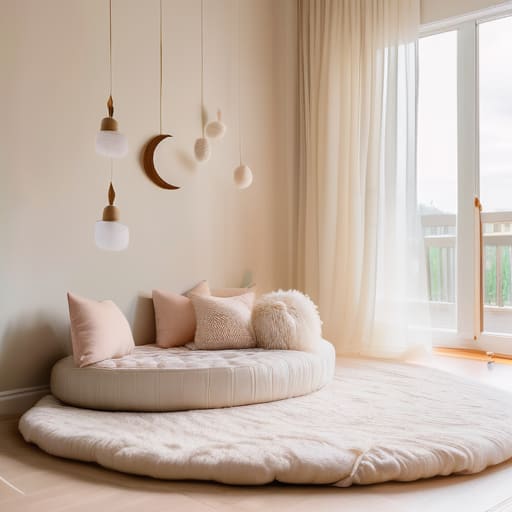
When you’re looking at birthday party themes for toddlers, it’s so easy to get swept up in the Pinterest madness of bright neon colors and high-energy spectacle. But honestly? Toddlers are tiny people who get overwhelmed easily. Instead of a high-octane superhero theme that might leave them overstimulated and cranky, I always lean toward something softer. Think “Garden Tea Party” with some faux wildflowers or a “Cloud & Moon” theme with plenty of soft textures. The goal is to create a space where they feel safe enough to actually explore rather than just being shouted at by a performer.
I love setting up little “stations” that act as low-pressure activities. Instead of forcing everyone into a circle for rigid games, try setting out some sensory bins or a small basket of vintage wooden blocks. It’s a much more gentle approach to party planning for different age groups. You want to curate an environment that feels like a cozy extension of your living room, not a frantic circus. If the atmosphere is calm and the colors are muted, the kids will stay much more relaxed, and you might actually get to finish a cup of coffee while they play.
My go-to tricks for keeping the little ones happy (without losing your mind)
- Set up “quiet zones” with some floor cushions and old picture books. When the energy gets a bit too chaotic—and trust me, it will—having a cozy corner where a kid can just curl up for ten minutes is a total lifesaver for both them and you.
- Skip the structured games with strict rules and go for “open-ended” play instead. Think a big box of colorful scarves, some bubbles, or even just a pile of interesting wooden blocks. It lets them explore at their own pace rather than feeling pressured to “win” something.
- Create a DIY craft station that actually doubles as an activity and a party favor. I love setting out some plain wooden shapes or even small terracotta pots with some non-toxic paints. They get to be creative, and they leave with a little something they made themselves.
- Use music to set the vibe rather than just having it as background noise. Instead of a loud, frantic playlist, try some gentle acoustic covers or nature sounds if things are getting rowdy. It’s amazing how much a change in tempo can settle a room.
- Don’t forget the “sensory” element. A simple tray of kinetic sand or even just a big bowl of pom-poms can keep a toddler mesmerized for ages. It’s cheap, it’s easy to clean up, and it’s much more engaging than a flashy, expensive rental.
My golden rules for keeping it simple and sweet
Focus on activities that spark genuine play rather than staged performances; a pile of colorful cushions and some old-school board games usually beat a hired clown any day.
Keep your theme grounded in what your little one actually loves, like dinosaurs or tea parties, so the decorations feel like a cozy extension of their bedroom rather than a stiff, expensive set.
Prioritize the “vibe” over the schedule—if the kids are having a blast playing in the dirt or coloring on a giant roll of paper, don’t feel pressured to force them into a rigid itinerary.
Keeping it real with the little ones
“At the end of the day, kids don’t actually care about a high-tech light show or a hired performer in a polyester costume; they just want to be in a space where they feel safe to play, a little bit of messy creativity, and the undivided attention of the people who love them.”
Saoirse Mullan
Bringing it all home
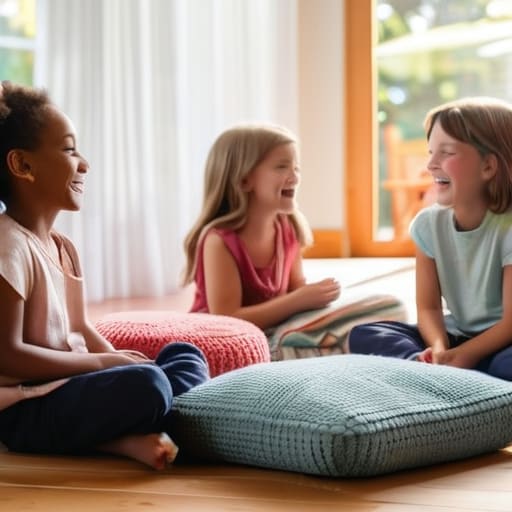
At the end of the day, planning a kid’s party doesn’t have to feel like a high-stakes production or a race to find the most expensive performer in town. We’ve talked about why those flashy, professional entertainers often miss the mark, how to pick a theme that feels genuinely cozy rather than commercial, and why the simplest activities usually win. Remember, the goal isn’t to create a Pinterest-perfect spectacle that leaves you exhausted and hiding in the kitchen. It’s about setting the stage for meaningful connection, whether that’s through a simple craft station, a pile of soft cushions for storytime, or just enough snacks to keep the little ones happy while the adults actually get a chance to breathe.
If you find yourself feeling overwhelmed by the guest list or the decor, just take a deep breath and lean into the chaos a little. Your kids won’t remember if the balloon arch was perfectly symmetrical or if you hired a professional clown; they’re going to remember the way the room felt, the laughter, and the fact that you were actually present with them. So, grab a roll of tape, dim the lights, and focus on the magic that happens when people—big and small—just feel comfortable being themselves. You’ve got this, and I promise, the best memories are usually the unscripted ones.
Frequently Asked Questions
How do I keep the older kids from getting bored while the little ones are doing their thing?
Honestly, this is the part that usually stresses me out, but the secret is just giving them a little bit of “grown-up” autonomy. I love setting up a dedicated “chill zone” away from the toddler chaos—think floor cushions, some cool vintage board games, or even a DIY taco bar where they can customize their own snacks. If they feel like they have their own little club happening, they won’t feel like they’re just babysitting the little ones.
What are some low-key ways to entertain kids without it turning into total chaos?
The secret is to avoid anything that requires too much “active” supervision. Instead of organized games that turn into a competitive frenzy, try setting up “stations.” I love a simple craft corner with some washable markers and butcher paper, or even just a cozy nook with some old picture books and floor cushions. It keeps their hands busy and their energy levels grounded, so you can actually enjoy a conversation without feeling like you’re refereeing a wrestling match.
Is it better to have structured games or just let them play freely in a designated space?
Honestly, I’m a huge advocate for “structured freedom.” If you try to force a bunch of toddlers into a rigid game of Musical Chairs, someone is inevitably going to end up in tears. Instead, I love setting up a few “stations”—maybe a cozy corner with some picture books or a low table with some playdough. Let them drift between activities as they please. It keeps the energy calm and lets you actually enjoy a conversation.
