I remember standing in the middle of a massive catering hall during my twenties, surrounded by mountains of expensive, color-coordinated linens and enough floral arrangements to feed a small village, feeling completely exhausted. I realized then that despite all the “professional” bells and whistles, the guests weren’t even looking at the centerpieces; they were too busy trying to find a place to set their drinks so they could actually talk. Most guides out there will try to sell you on this massive, overwhelming essential party planning checklist for beginners that involves spending a fortune on things nobody will notice. Honestly? That’s just a recipe for host burnout, and it’s the exact opposite of what a good party should be.
I’m not here to give you a list of things to buy; I’m here to help you figure out what actually matters. I want to share the real, unpolished version of an essential party planning checklist for beginners—the kind that focuses on cozy lighting, plenty of snacks, and enough seating so your friends don’t feel like they’re standing in a crowded hallway. We’re going to skip the stress and focus on meaningful connection instead.
Mastering Your Event Planning Timeline for Beginners

Once you’ve got your budget and timeline sorted, I always tell my clients to think about the vibe of the guest list and how people might actually connect during the night. If you’re hosting a group that’s a bit more eclectic or perhaps you’re looking to meet new people in a specific locale before the big event, it can be really helpful to explore different social avenues to get a feel for the local energy. For instance, if you’re curious about how people are interacting online in certain regions, checking out chat rooms in Netherlands can be a surprisingly interesting way to gauge social trends or just find a bit of inspiration for how to spark conversation among your own guests. It’s all about that human connection, after all.
Look, I get it. When you first start thinking about hosting, the sheer amount of “stuff” to do can feel completely overwhelming. You start worrying about everything from the menu to whether you have enough napkins, and suddenly you’re staring at a blank notebook feeling paralyzed. The secret to keeping your sanity is building a realistic event planning timeline for beginners that actually works for your life, not some Pinterest-perfect schedule that leaves you exhausted before the first guest even arrives.
I always tell my clients to work backward from the party date. Start about three weeks out by finalizing your guest list and getting those invites out—this is where your guest list management strategies really kick in so you aren’t chasing people for RSVPs at the last minute. A week before, focus on the heavy lifting like ordering food or checking your stash of vintage glassware. In the final forty-eight hours, pivot away from the big tasks and focus on the little things that create a vibe, like lighting and music. If you follow a loose roadmap like this, you’ll actually get to enjoy your own party instead of hiding in the kitchen.
Smart Party Budget Management Tips for Real Life
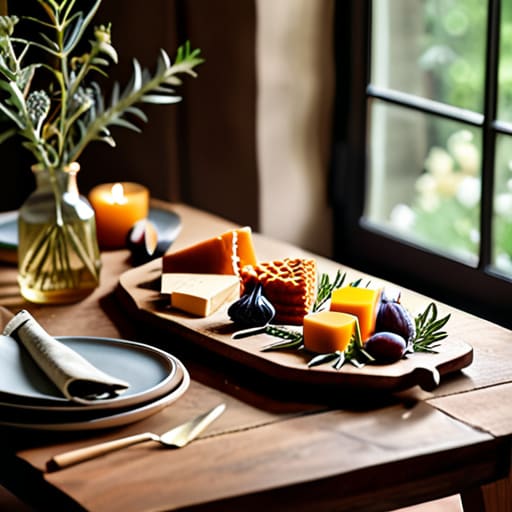
Let’s get real for a second: staring at a blank spreadsheet can feel incredibly overwhelming. When I first started my business, I used to think I needed a massive budget to make an impact, but I quickly learned that’s just not true. My best party budget management tips usually boil down to one thing: pick your “hero” element. Maybe it’s a really killer grazing board or a specific vintage cocktail setup, but once you decide where to splurge, you can save wildly on everything else. I’m a huge fan of hitting up thrift stores for unique glassware or using mismatched linens to create that effortless boho vibe without the designer price tag.
Another thing that saved my sanity (and my bank account) was getting strict with my guest list management strategies. It sounds a bit clinical, I know, but being intentional about who you invite helps you control your catering costs and ensures the energy in the room stays cozy rather than chaotic. Instead of trying to feed a crowd of fifty, focus on a tight-knit group where you can actually afford the good cheese and decent wine. Focus on quality over quantity every single time.
The "Sanity-Saver" Checklist: Small Details That Make a Big Difference
- Curate your guest list with intention. It’s tempting to invite everyone you know, but a smaller, tighter group usually leads to much better conversations and way less stress for you as the host.
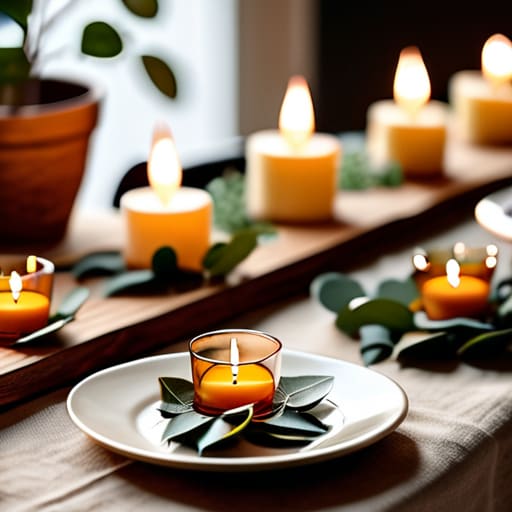
- Prioritize your lighting over your decor. Skip the expensive floral arrangements if you have to, but please, please dim the overhead lights. A few unscented tea lights or some warm string lights will do more to set a “magical” mood than any centerpiece ever could.
- Plan a “low-maintenance” menu. I’ve learned the hard way that if you spend the whole night hovering over a stove, you’re going to miss your own party. Think grazing boards, slow-cooker bites, or anything that can be prepped the day before so you can actually hold a drink while you chat.
- Set up a dedicated “landing zone” for guests. As soon as people walk in, they need a spot for their coats, bags, and umbrellas. If they feel settled and don’t have to awkwardly clutch their belongings, they’ll relax much faster.
- Create a vibe with a loose playlist. You don’t need a DJ, but having some mellow, upbeat tunes playing softly in the background prevents those awkward silences and fills the room without drowning out the actual talking.
The Heart of the Party

So, there you have it! We’ve tackled everything from mapping out a realistic timeline that won’t leave you pulling your hair out, to managing a budget that actually respects your bank account. Remember, the goal of this checklist isn’t to turn you into a rigid, stressed-out event coordinator; it’s simply to give you a safety net so you can breathe easier. Once you’ve got your basics sorted—the food, the flow, and the finances—you can finally stop worrying about the logistics and start focusing on the fun stuff. At the end of the day, preparedness is just a tool to help you stay present when the guests finally arrive.
If you find yourself mid-party and realize you forgot to buy that specific brand of artisanal crackers or the lighting feels a little too bright, please, just let it go. Your friends aren’t coming over to audit your event planning skills or critique your budget management; they are coming to see you and to enjoy each other’s company. The most magical moments usually happen in the unplanned gaps between the “perfect” scheduled activities. So, dim those lights, pour yourself a drink, and remember that the best parties are felt, not just seen. You’ve got this!
